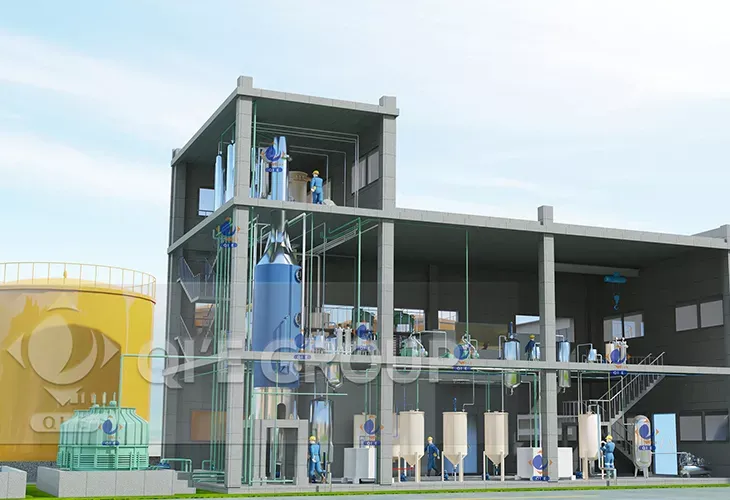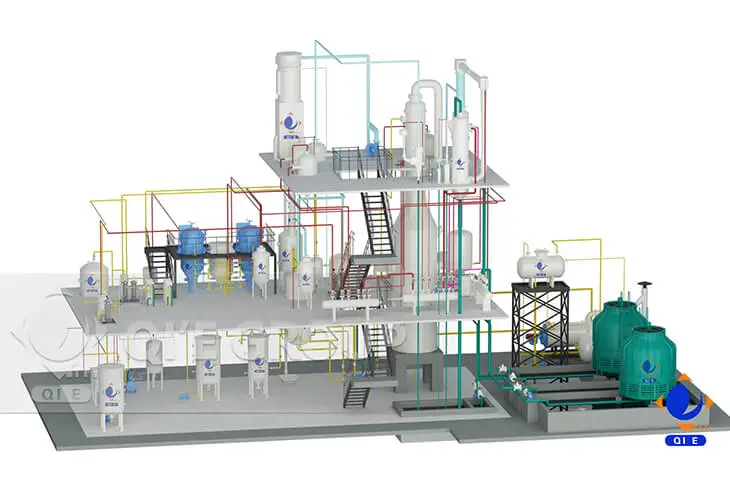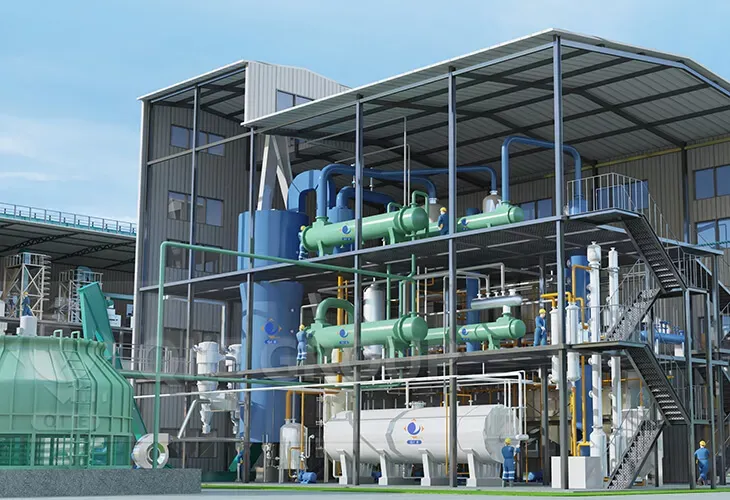
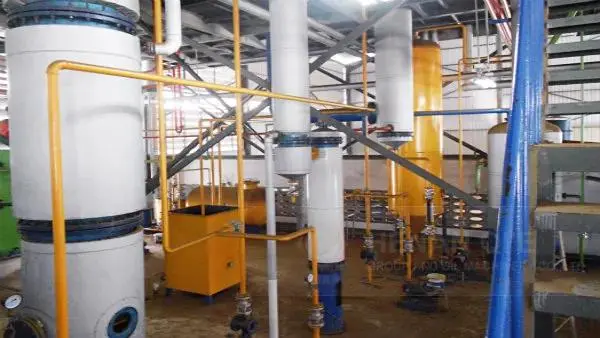
Solvent extraction has become the cornerstone of the modern oil industry, playing a pivotal role in enhancing the efficiency and quality of vegetable oil production. This technology has enabled many export - oriented vegetable oil enterprises to gain a competitive edge in the global market.
In the process of solvent extraction, three key mass - transfer mechanisms - penetration, diffusion, and convection - significantly impact the oil yield. Penetration allows the solvent to enter the oil - bearing cells, diffusion facilitates the movement of oil molecules from the cells into the solvent, and convection promotes the overall transfer of the oil - solvent mixture. By optimizing these mechanisms, the oil yield can be increased by up to 10 - 15% compared to traditional methods.
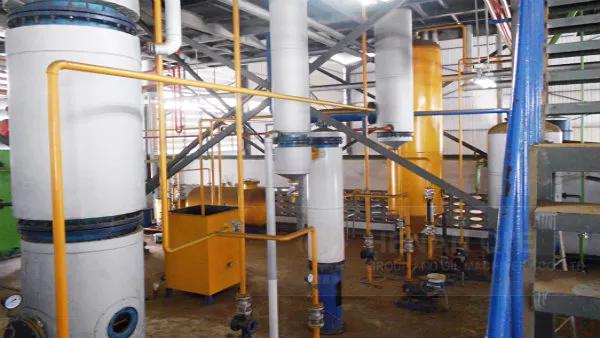
Different raw materials, such as soybeans and sunflower seeds, have distinct physical and chemical properties, which require specific process adaptations. For soybeans, due to their relatively high protein content, a more precise control of solvent ratio and temperature is needed. In the case of sunflower seeds, their high oil content demands an optimized extraction time to ensure maximum oil recovery. Practical applications have shown that proper process adaptation can improve the extraction efficiency of soybeans by 8 - 12% and that of sunflower seeds by 10 - 15%.
Parameters such as temperature, solvent ratio, and residence time are crucial for the solvent extraction process. For example, increasing the temperature within a certain range can accelerate the mass - transfer process, but excessive temperature may cause solvent loss and affect the quality of the oil. By carefully adjusting these parameters, enterprises can achieve a stable operation with high production, high quality, and low residue.
| Parameter | Optimal Range | Effect on Extraction |
|---|---|---|
| Temperature | 40 - 60°C | Accelerate mass - transfer, but avoid solvent loss |
| Solvent Ratio | 1:1 - 1:3 | Ensure sufficient solvent for extraction |
| Residence Time | 30 - 60 minutes | Allow enough time for oil - solvent interaction |
In the solvent extraction process, issues such as solvent residue control, scale prevention, and equipment maintenance are common pain points for enterprises. By following a set of scientific troubleshooting guides, these problems can be effectively addressed. For example, using advanced distillation technology can control solvent residue to less than 0.1%, and regular cleaning and inspection can prevent scale formation and ensure long - term stable operation of the equipment.
To illustrate the effectiveness of solvent extraction technology, real - world customer cases and engineering data are presented. One export - oriented vegetable oil enterprise achieved a 12% increase in oil yield and a 20% reduction in production cost after adopting the optimized solvent extraction process. These data not only enhance the credibility of the technology but also provide valuable references for other enterprises.
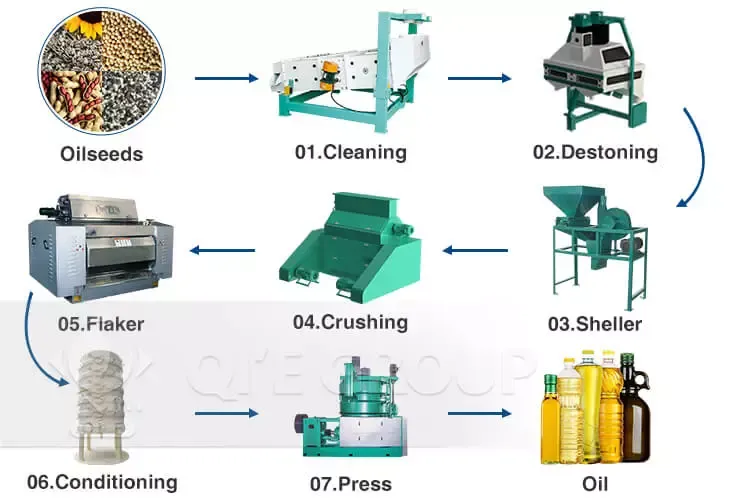
To help industry users better understand the solvent extraction process, flowcharts and comparison tables are used to present the information in a more intuitive way. These visual aids can clearly show the process flow, parameter relationships, and performance differences between different methods, making it easier for users to make decisions.
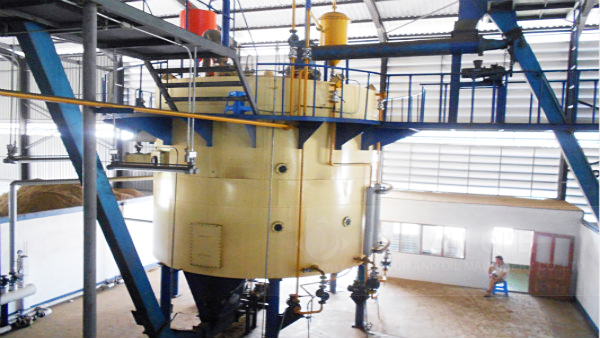
In conclusion, solvent extraction technology offers a powerful solution for vegetable oil export enterprises to upgrade their competitiveness. By understanding the scientific principles, optimizing process parameters, and solving common problems, enterprises can achieve high - efficiency, high - quality, and environmentally - friendly production. If you are looking to take your vegetable oil production to the next level, click here to learn more about our solvent extraction equipment and services.