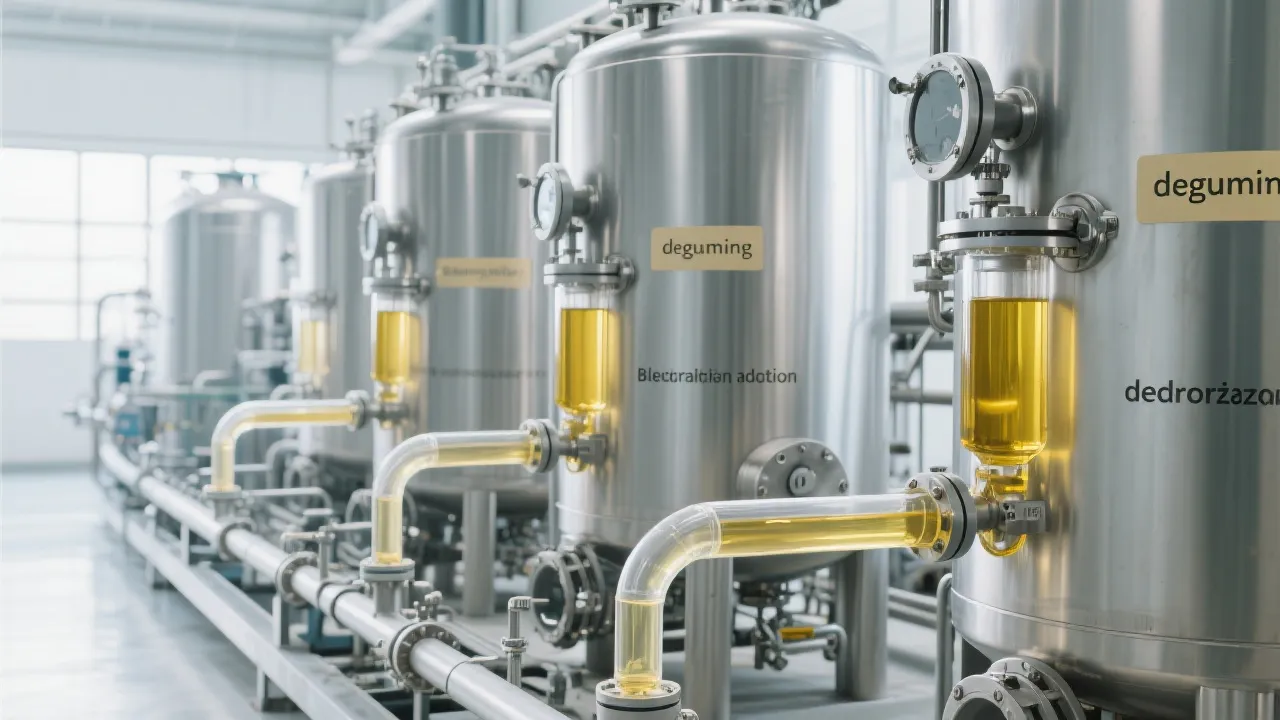
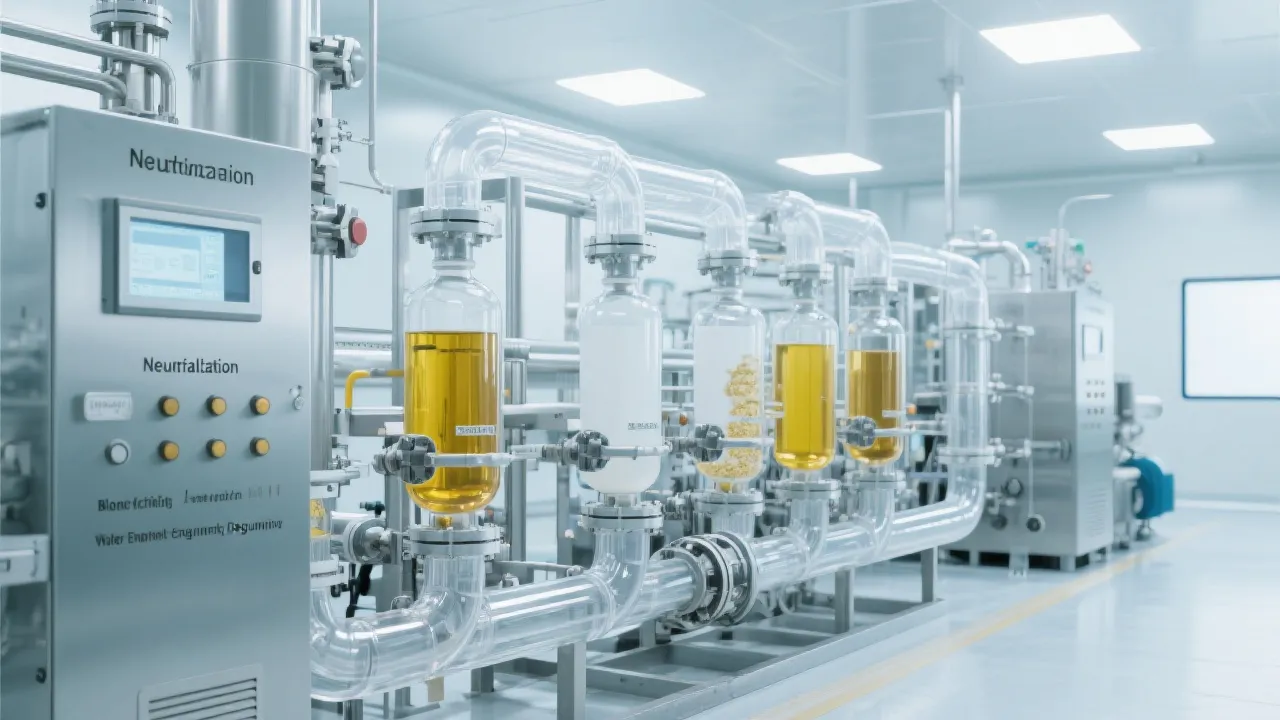
In the edible oil refining process, degumming is a crucial step that significantly impacts subsequent refining stages and the overall quality of the final product. Removing impurities through degumming ensures the smooth operation of subsequent processes, such as deacidification, decolorization, and deodorization, and ultimately enhances the stability, flavor, and shelf - life of the edible oil.
Degumming involves both physical and chemical processes. Phospholipids and other impurities in crude oil can form emulsions or colloids, which are difficult to separate. Hydration degumming and acid - based degumming are two main techniques used to break these structures and separate impurities from the oil phase.
Hydration degumming mainly uses water to hydrate phospholipids, causing them to aggregate and separate from the oil. Acid - based degumming, on the other hand, uses acids such as phosphoric acid or citric acid to convert non - hydratable phospholipids into hydratable forms, making them easier to remove. Each method has its own advantages and is suitable for different types of raw oils.
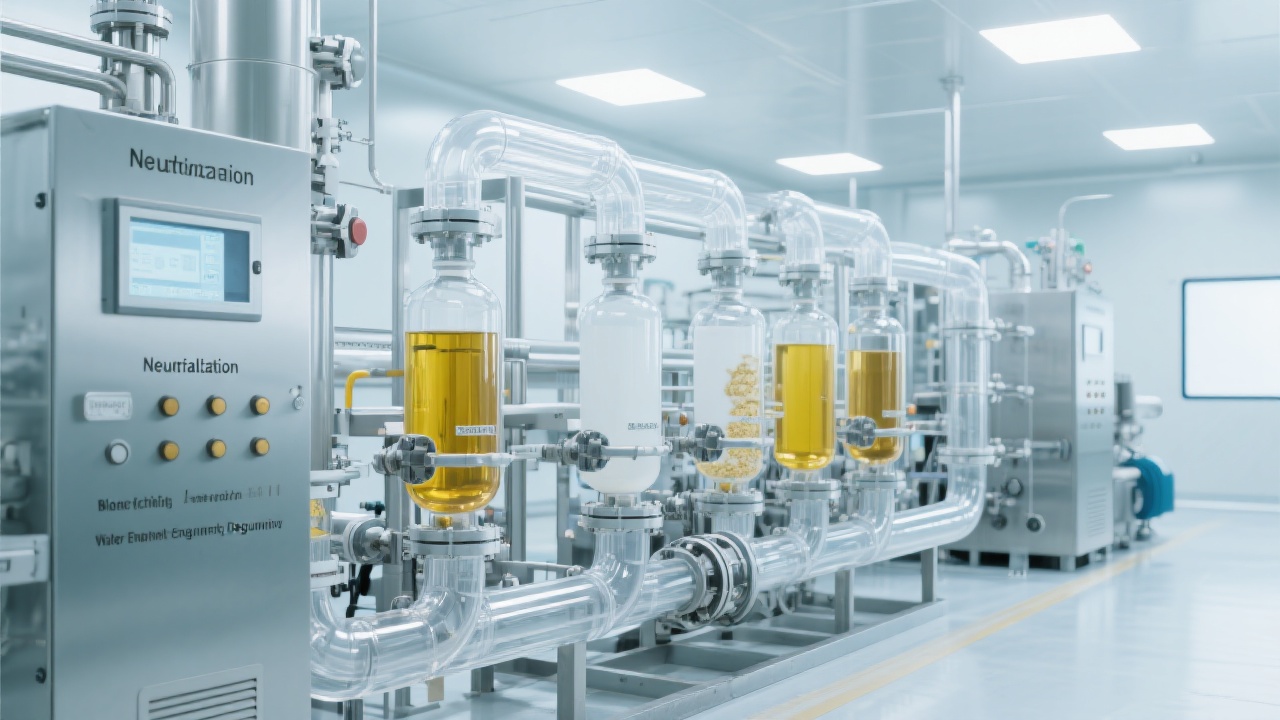
Temperature, pH value, and stirring speed are key parameters that affect the degumming effect. For different types of oils, such as soybean oil, rapeseed oil, and palm oil, the optimal parameter settings vary.
| Oil Type | Temperature (°C) | pH Value | Stirring Speed (rpm) |
|---|---|---|---|
| Soybean Oil | 60 - 80 | 4 - 5 | 200 - 300 |
| Rapeseed Oil | 70 - 90 | 3.5 - 4.5 | 250 - 350 |
| Palm Oil | 50 - 70 | 4.5 - 5.5 | 150 - 250 |
Proper regulation of these parameters can significantly improve the degumming efficiency and reduce the content of impurities in the oil.
During the degumming process, some common problems may occur, such as cloudy oil, abnormal layering, and incomplete separation. These issues can be caused by improper parameter settings, equipment malfunctions, or raw material problems.
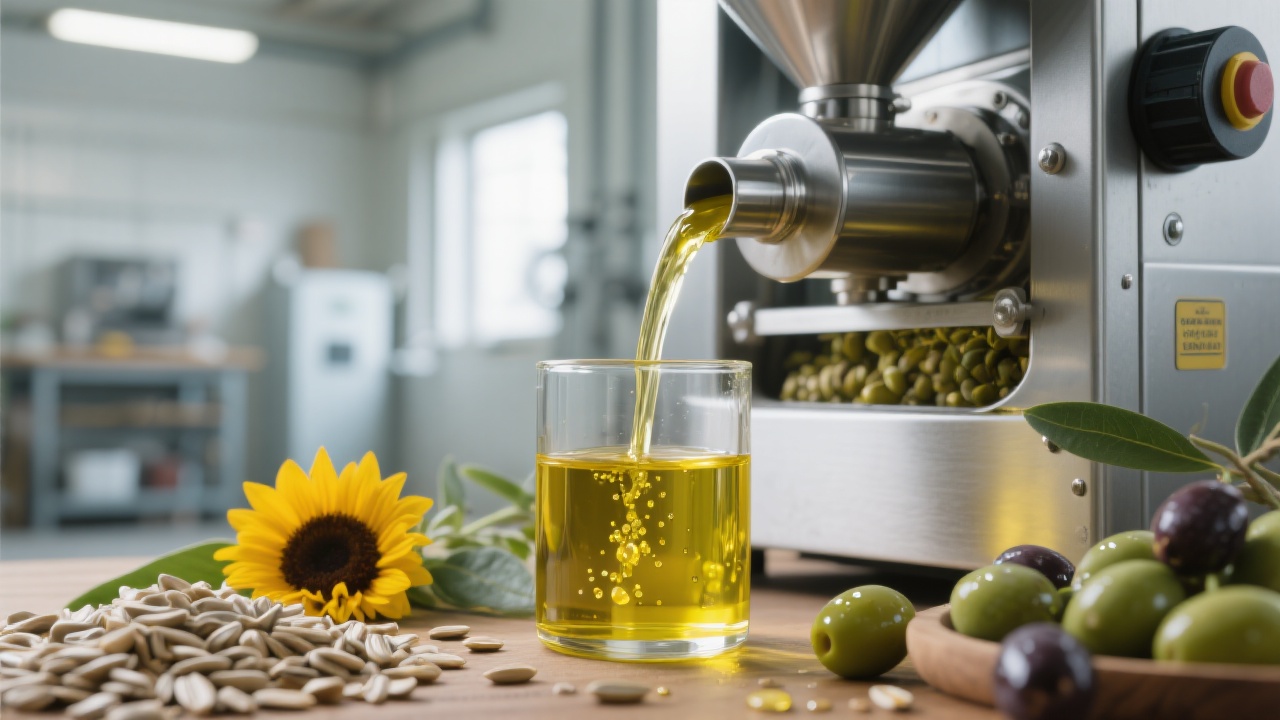
For example, if the oil is cloudy after degumming, it may be due to insufficient hydration or improper pH adjustment. By increasing the temperature slightly, adjusting the pH value, or extending the stirring time, the problem can often be solved. Through real - world case studies, this article provides detailed analysis and solutions for these common problems.
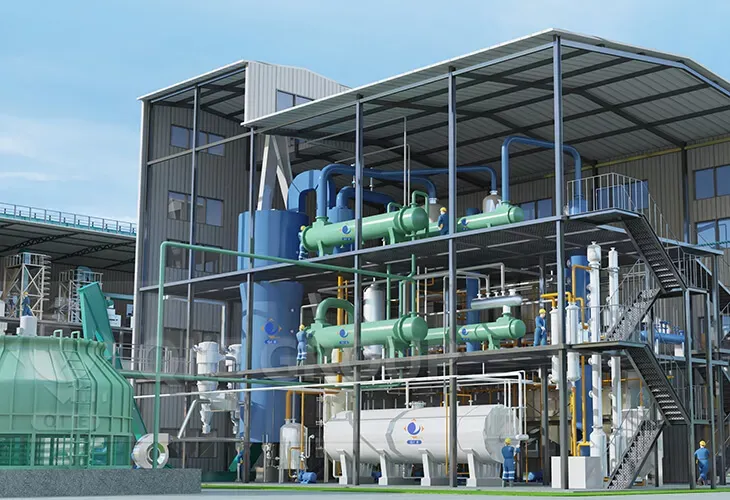
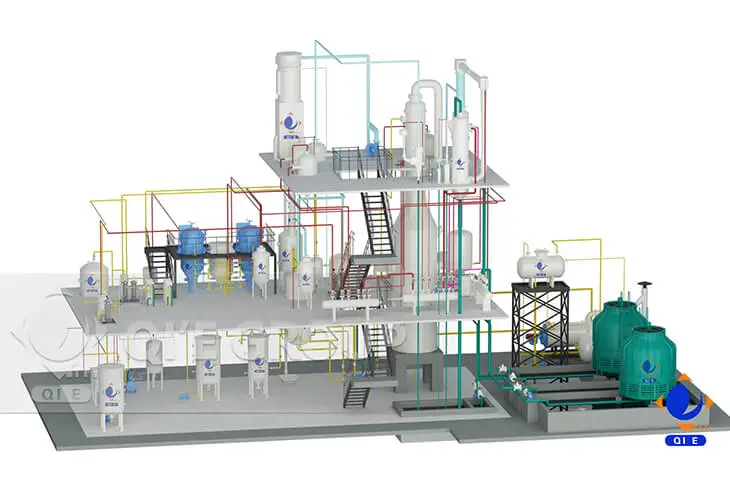
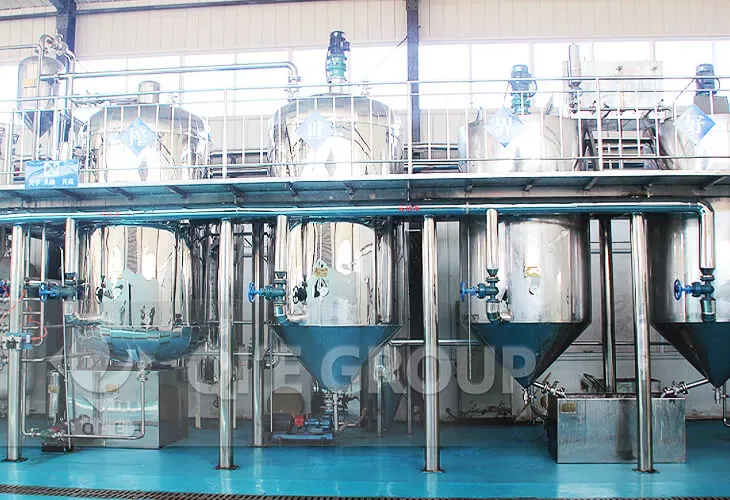
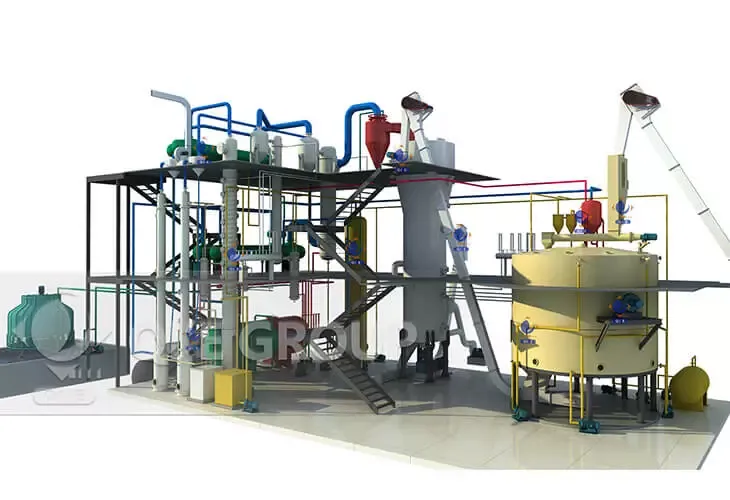
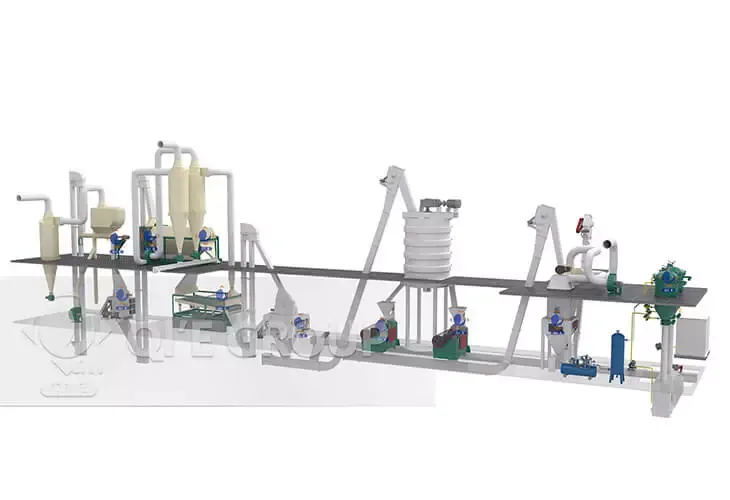
QIE Group offers advanced equipment and technologies for edible oil refining, especially in the degumming process. Our equipment is designed with precise control systems that can accurately regulate temperature, pH value, and stirring speed, ensuring optimal degumming results. We also provide personalized support services, including on - site installation, commissioning, and technical training.
If you are an edible oil production enterprise or a technician looking to improve your degumming process, QIE Group can help you achieve more efficient and safer edible oil production. Click here to learn more about our solutions and take your edible oil refining to the next level!