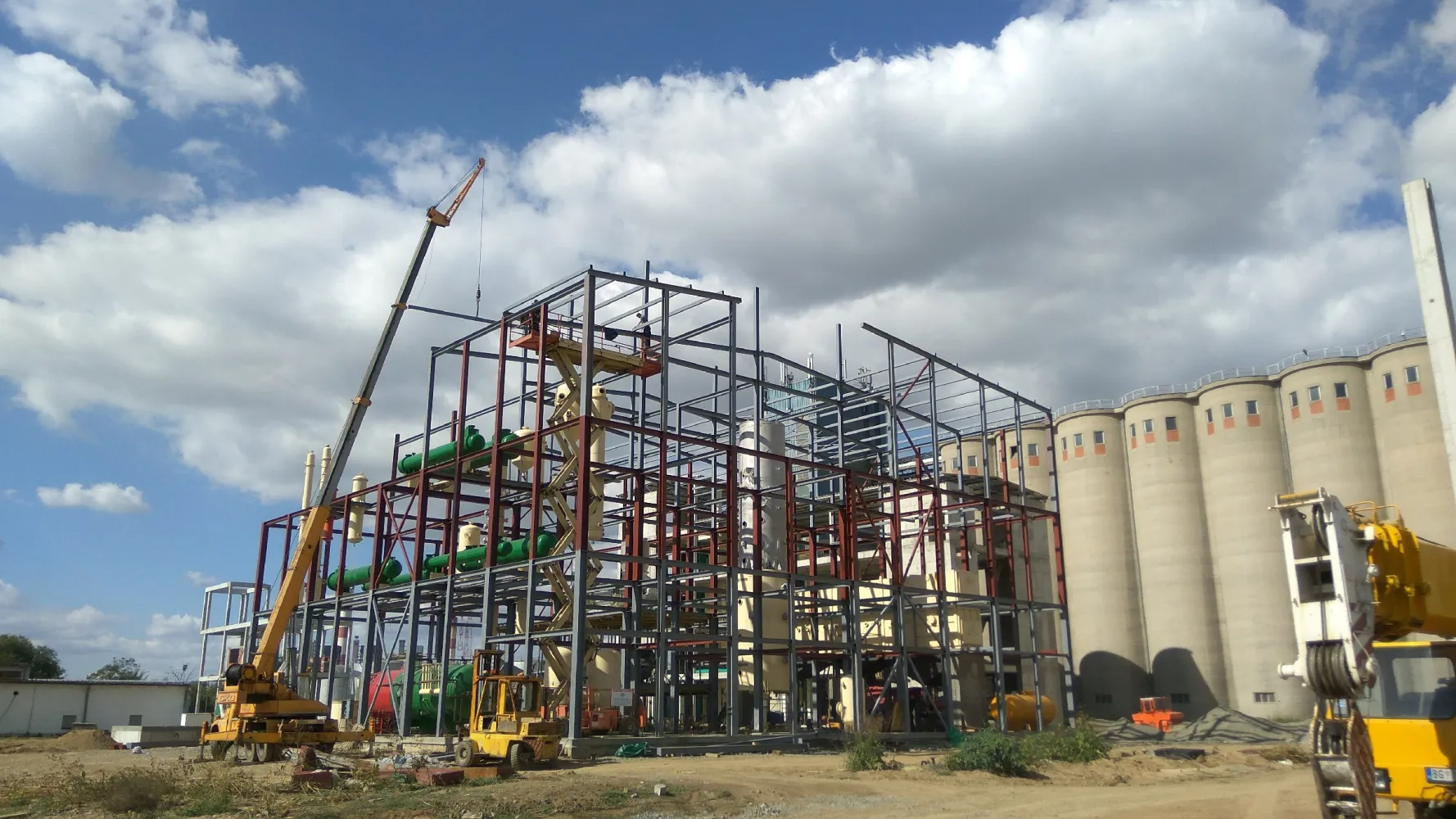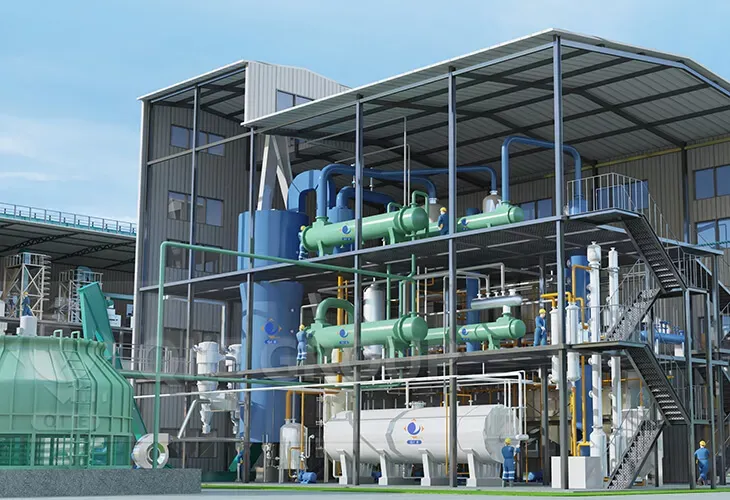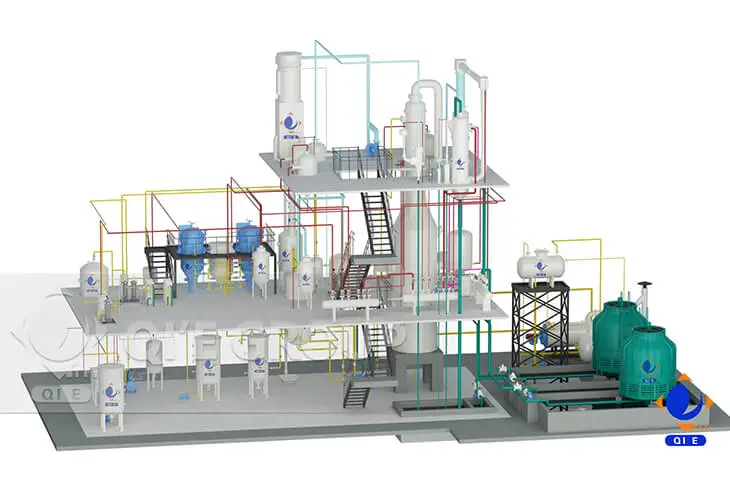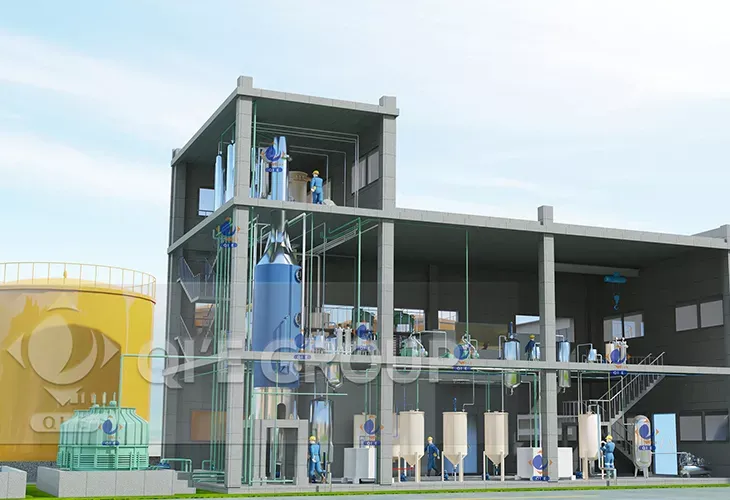

Industrial vegetable oil refining is a complex process that involves multiple key steps to ensure the quality and purity of the final product. This article will delve into the technical paths of impurity removal in the four core stages of degumming, deacidification, decolorization, and deodorization, and provide practical advice on equipment maintenance.
In the degumming stage, phospholipids and other hydrophilic impurities are the main targets for removal. By adding water or acid, these impurities can be separated from the oil phase. For example, in a large - scale production plant, through proper degumming, the phospholipid content in the oil can be reduced from about 500 ppm to less than 10 ppm, significantly improving the clarity of the oil.
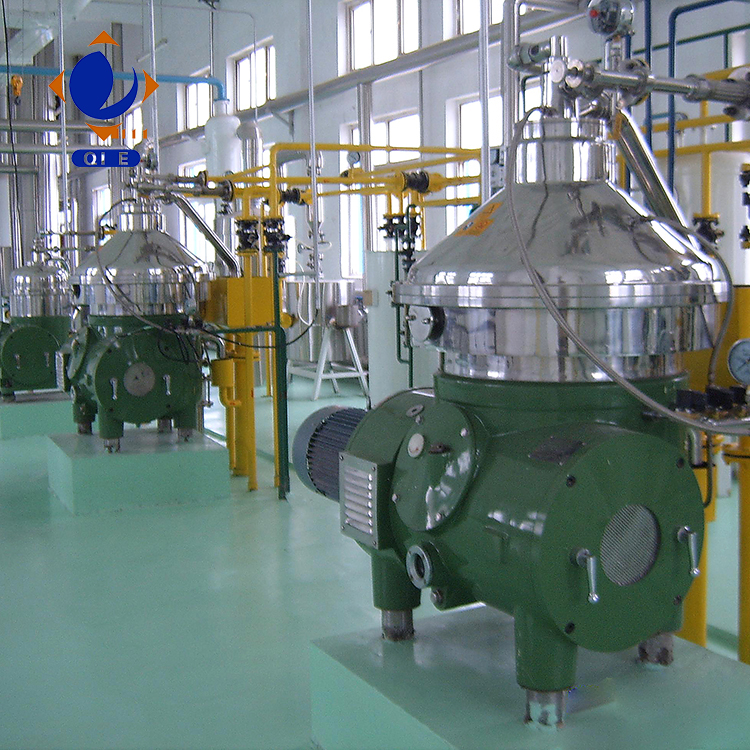
Deacidification aims to remove free fatty acids. Techniques such as physical refining and chemical refining are commonly used. Physical refining, which operates under high - temperature and vacuum conditions, can achieve a free fatty acid content of less than 0.1%. Chemical refining, on the other hand, uses alkali to neutralize free fatty acids, resulting in a similar level of acid reduction.
Modern continuous refining lines have made significant technological innovations in temperature control, vacuum environment management, and adsorption material optimization. Precise temperature control can ensure that the refining process occurs at the most suitable temperature for each stage. For instance, in the deodorization stage, maintaining a temperature between 220 - 240°C under a high - vacuum environment of less than 1 mbar can effectively remove odorous substances and improve the oil's stability.
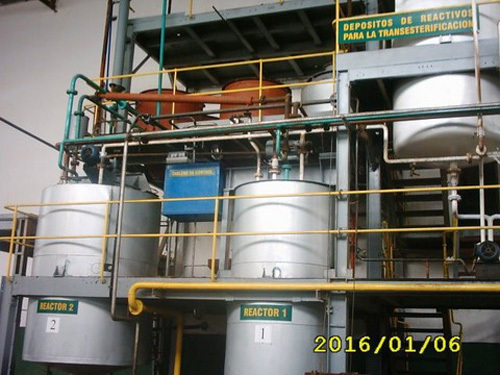
The choice of adsorption materials in the decolorization stage also plays a crucial role. High - quality activated clay can adsorb pigments and other impurities, reducing the Lovibond color value of the oil from around 20 to less than 5. According to production data, different combinations of these technologies have a significant impact on the color, smoke point, and oxidation stability of the oil. For example, a combination of advanced degumming, deacidification, and decolorization processes can increase the smoke point of the oil from 180°C to over 220°C, making it more suitable for high - temperature cooking.
Daily equipment maintenance is essential for stable and sustainable production. One of the key aspects is the replacement of filter cloth. Based on practical experience, in a medium - scale production environment, the filter cloth should be replaced every 100 - 150 operating hours to ensure efficient filtration and prevent clogging.
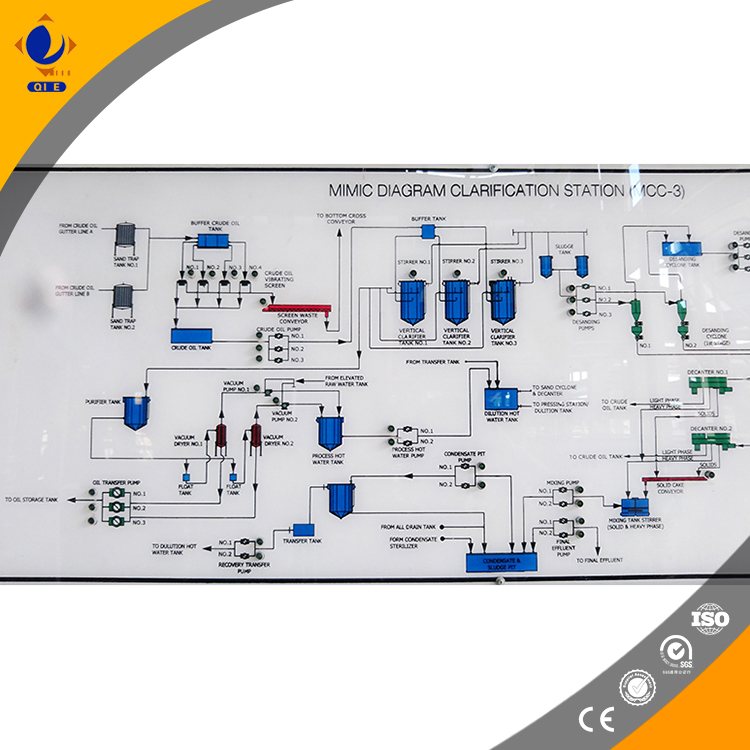
Another important maintenance task is the detection of equipment sealing. Leakage in the vacuum system can seriously affect the refining effect. Regularly checking the seals of pipes, valves, and tanks, and replacing damaged gaskets in time can ensure a stable vacuum environment during the refining process.
In conclusion, Qi'e Group is at the forefront of industrial vegetable oil refining technology and equipment maintenance solutions. By choosing Qi'e Group, companies can achieve efficient, stable, and environmentally friendly oil production. Don't miss this opportunity to enhance your production efficiency and product quality. Learn more about Qi'e Group's solutions now!