

In the world of edible oil processing, achieving high-quality products is a constant pursuit. Low-temperature crystallization, also known as winterization, plays a crucial role in the dewaxing process of soybean oil. This tutorial aims to provide a comprehensive guide for oil and grain processing technicians on how to optimize this process effectively.
Dewaxing is essential for enhancing the clarity and digestibility of soybean oil. Low-temperature crystallization helps in separating the wax from the oil, as the wax forms crystals at lower temperatures. According to industry research, properly dewaxed soybean oil can have a transparency improvement of up to 30% compared to non - dewaxed oil, which greatly enhances its market appeal.
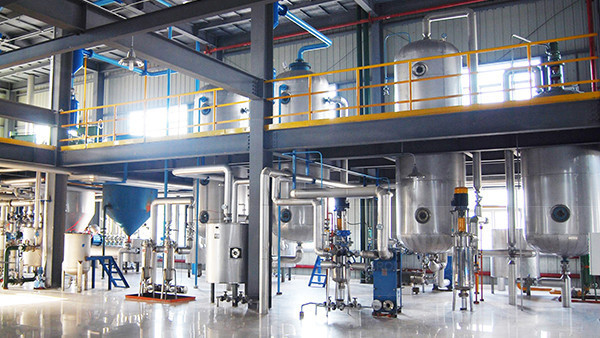
Several key parameters influence the efficiency of wax separation during low - temperature crystallization. These include cooling rate, stirring intensity, and solvent ratio.
A slower cooling rate, typically around 0.2 - 0.5°C per minute, allows for the formation of larger and more easily separable wax crystals. Research has shown that with this cooling rate, the wax separation efficiency can reach up to 85%.
Moderate stirring intensity is also crucial. Over - stirring can break the wax crystals into smaller pieces, making them difficult to separate, while under - stirring may lead to uneven crystallization. A stirring speed of 50 - 100 revolutions per minute is often recommended.
The solvent ratio is another important factor. A proper solvent - to - oil ratio (usually around 1:1 to 1:2) can improve the solubility of the oil and facilitate the crystallization of the wax. This can increase the overall dewaxing efficiency by 10 - 15%.
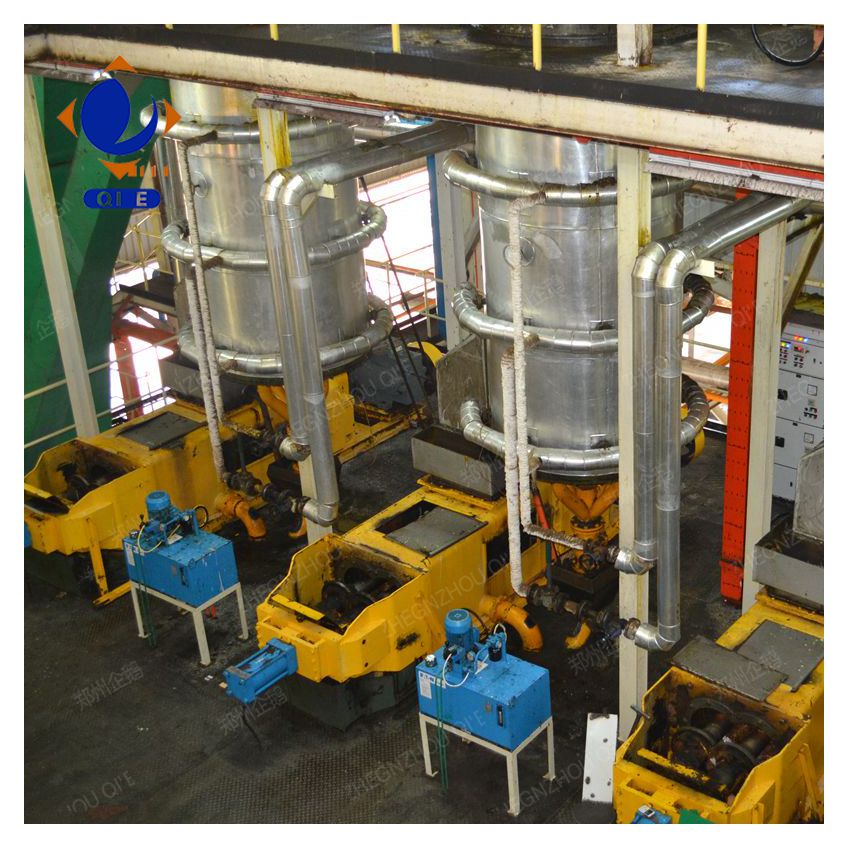
Different oils, such as soybean oil and sunflower oil, have different physical and chemical properties, which require differentiated dewaxing strategies. For example, sunflower oil has a higher wax content and different wax - crystal characteristics compared to soybean oil. Therefore, the cooling rate and solvent ratio need to be adjusted accordingly to achieve optimal dewaxing results.
During the dewaxing process, several common problems may occur, such as incomplete wax separation and turbidity in the final product. To address these issues, technicians can monitor the process parameters closely and adjust them in a timely manner. For example, if the oil still has a high turbidity after dewaxing, increasing the cooling time or adjusting the solvent ratio may help.
In conclusion, low - temperature crystallization is a powerful technique for soybean oil dewaxing. By understanding the key parameters and addressing common problems, oil and grain processing technicians can improve the efficiency and quality of the dewaxing process, thereby enhancing the market competitiveness of their products.
Interested in optimizing your oil dewaxing process?
Click here to get customized technical support

 <#else>