For food processors and edible oil manufacturers, achieving consistent wax-free oil quality is not just about compliance—it's a strategic lever for premium pricing, extended shelf life, and customer trust. But with multiple dewaxing methods available—from solvent-based systems to advanced crystallization techniques—how do you choose the right one?
| Method | Wax Recovery Rate (%) | Energy Consumption (kWh/kg oil) | Environmental Impact | Capex Estimate (USD) |
|---|---|---|---|---|
| Conventional Cooling | 65–75% | 0.8–1.2 | Low (no chemicals) | $50K–$150K |
| Solvent Extraction | 85–92% | 1.5–2.5 | Medium (solvent recovery needed) | $200K–$500K |
| Surfactant-Assisted | 75–85% | 1.0–1.8 | High (eco-friendly surfactants) | $100K–$300K |
| Combined Deacidification + Dewaxing | 80–90% | 1.2–2.0 | Medium (process integration reduces waste) | $150K–$400K |
In practice, many small-to-mid scale producers in Southeast Asia and Latin America opt for conventional cooling due to its low capex and ease of operation—even if it means slightly lower wax removal efficiency. Meanwhile, large-scale facilities in Europe or North America often invest in integrated solvent or surfactant systems that offer higher purity and better yield, especially when processing high-wax oils like palm or cottonseed.
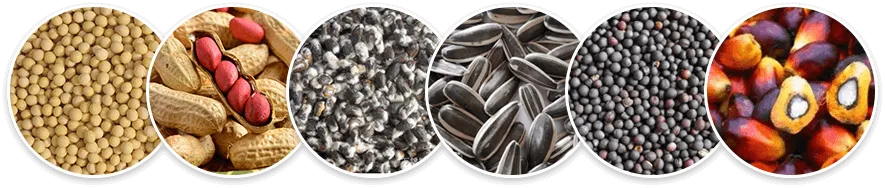
Palm oil: High melting point demands aggressive cooling (down to -15°C). Solvent-based methods typically achieve >90% wax recovery but require strict safety protocols. For smaller plants (<5 tons/day), surface-active agents provide an effective middle ground.
Peanut oil: Lower wax content allows for simpler setups. A well-controlled plate heat exchanger system can deliver consistent results at minimal cost—ideal for startups targeting health-conscious markets in the U.S. or EU.
Cottonseed oil: Often processed alongside deodorization, making combined dewaxing-deacidification units highly efficient. Real-world case studies from India show 15–20% energy savings over standalone systems.
👉 Need help selecting your ideal dewaxing setup? Download our free “Oil Dewaxing Selection Matrix” PDF guide—based on real plant data from 30+ global installations.
Get Your Free Guide NowTechnical managers care about yield consistency. Production leads focus on uptime and maintenance. Procurement teams weigh capex vs. long-term ROI. That’s why we recommend a cross-functional evaluation—especially for new lines or expansions.
Pro tip: Start with a pilot batch using your current oil type and process conditions. Measure wax content pre- and post-treatment. This simple step avoids costly mistakes and builds internal buy-in before full-scale investment.



 <#else>