Are you troubled by the persistent turbidity of your oil after dewaxing? You're not alone. This common issue in the edible oil industry can be a real headache for technical staff in grain and oil enterprises. But fret not! In this article, we'll delve into the key factors affecting wax crystal formation and separation in the low-temperature crystallization (winterization) process, and provide practical tips and parameter optimization suggestions to help you achieve clear, high-quality oil production.
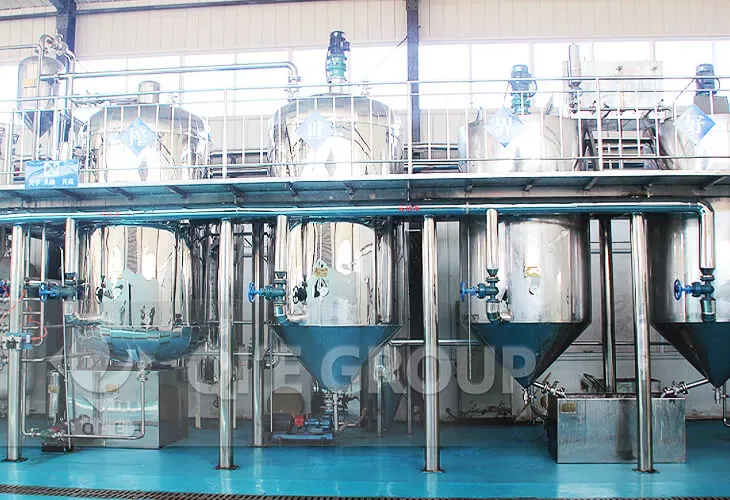
Low-temperature crystallization, also known as winterization, is a crucial step in the edible oil dewaxing process. At low temperatures, wax molecules in the oil undergo a phase change from a dissolved state to a solid crystalline form. This transformation is driven by the reduction in solubility of waxes as the temperature drops. As the wax crystals form, they become insoluble in the oil and can be separated through filtration or sedimentation.
The cooling rate is one of the most critical factors influencing wax crystal formation. A slow cooling rate (e.g., 0.5–1.5°C/min) allows for the formation of larger, more uniform wax crystals, which are easier to separate from the oil. On the other hand, a rapid cooling rate can result in the formation of smaller, more numerous wax crystals that are more difficult to settle and filter. Therefore, adjusting the cooling rate is essential for optimizing the dewaxing process.
Stirring intensity also plays a significant role in wax crystal formation. Gentle stirring helps to distribute the wax crystals evenly throughout the oil, preventing them from agglomerating and forming large clumps. However, excessive stirring can break up the wax crystals, making them smaller and more difficult to separate. Finding the right balance of stirring intensity is crucial for achieving efficient wax separation.
The solvent ratio refers to the amount of solvent used in the dewaxing process. A higher solvent ratio can improve the solubility of the waxes in the oil, making it easier to separate them from the oil. However, using too much solvent can also increase the cost of the process and lead to higher oil losses. Therefore, it's important to optimize the solvent ratio based on the type of oil and the desired dewaxing efficiency.
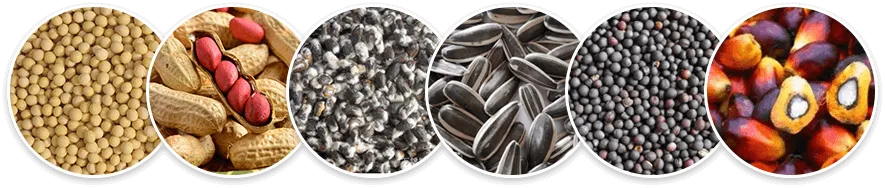
Different types of oils have different wax contents and physical properties, which require different dewaxing parameters. For example, soybean oil typically has a higher wax content than sunflower oil, and therefore requires a more aggressive dewaxing process. By understanding the characteristics of different oils, you can adjust the cooling rate, stirring intensity, and solvent ratio to achieve the best results.
In addition to adjusting the key variables, it's also important to be able to diagnose and troubleshoot common issues in the dewaxing process. For example, if the wax residue in the oil is too high, it could be due to a slow cooling rate, insufficient stirring, or a low solvent ratio. By carefully analyzing the process parameters and conducting a thorough inspection of the equipment, you can identify the root cause of the problem and take appropriate corrective actions.
To help you optimize your dewaxing process, we've compiled a list of industry experience values and real-world case studies. These resources provide valuable insights into the optimal cooling rates, stirring intensities, and solvent ratios for different types of oils. By referring to these data and case studies, you can make informed decisions and improve the efficiency and quality of your dewaxing process.
If you're still struggling with dewaxing issues or need personalized advice, don't hesitate to leave a message or send us a private message. Our team of experts is ready to provide you with customized solutions and support to help you achieve your production goals.