
We've all been there - that moment when your oilseed processing line suddenly grinds to a halt because a stray stone or piece of metal made its way through the preprocessing stage. The downtime, the equipment damage, the lost production - it's enough to make any plant manager's blood pressure rise. But what if you could reduce these incidents by 60% while simultaneously increasing your oil yield? That's the power of optimized oilseed crushing and cleaning technology, and it's time you unlocked its full potential.
Many operators underestimate how directly linked the crushing process is to effective impurity removal. When oilseeds are crushed to the optimal particle size - typically between 2-4mm for most oil-bearing seeds - impurities are liberated from the seed matrix, making them far easier to separate. 企鹅集团's engineering team has conducted extensive trials showing that precise control of crushing parameters can improve subsequent impurity separation by up to 35% compared to suboptimal crushing practices.
Understanding the synergistic effect between mechanical crushing and air-screen separation is crucial. The crushing process breaks the seed coat and exposes internal structures, while the combination of screening and air separation removes both heavy impurities (stones, metal) and light impurities (dust, hull fragments). When these processes are properly calibrated, you'll see measurable improvements in downstream processing efficiency.
Nothing disrupts production like unexpected blockages in your crushing equipment. The most common causes include inconsistent feed rates, improper roll gap settings, and moisture content outside the ideal range (typically 8-12% for most oilseeds). When blockages occur, follow this systematic approach:
Plant managers who implement preventive maintenance schedules report 40% fewer blockages and 25% less unplanned downtime. Regular inspection of screen decks for damage and proper tensioning can also significantly reduce disruption incidents.
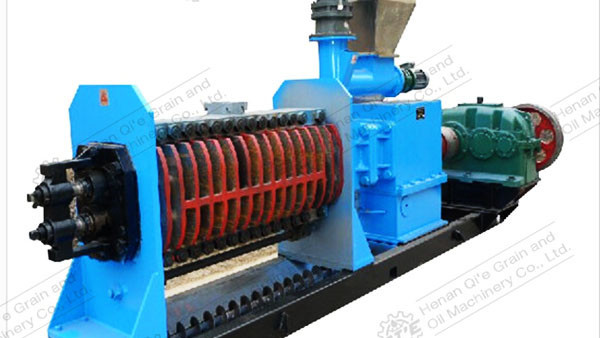
Excessive wear on crushing rolls not only reduces efficiency but also creates inconsistent particle sizes that compromise impurity removal. Our field data shows that operators who monitor roll surface condition weekly extend roll life by 35% compared to those who only inspect when performance degrades.
A mid-sized soybean processor in Iowa implemented these crushing and cleaning optimization techniques and documented:
To ensure your crushing and cleaning process is performing optimally, establish clear performance metrics and conduct regular testing. The most critical KPIs include:
Many operators find that implementing a monthly sampling protocol at key process points helps identify trends before they become problems. Simple tools like sieve analysis kits and impurity testing scales can provide valuable data for continuous improvement.
Every oilseed processing facility faces unique challenges based on crop type, regional conditions, and equipment configuration. Some struggle with high-moisture environments, others with inconsistent raw material quality. What specific issues have you encountered in your crushing and cleaning process? Share your experience in the comments below - our team of process engineers reads every comment and often responds with tailored advice.
Download our comprehensive guide "Optimizing Oilseed Preprocessing: The Complete Technical Handbook" and discover how to achieve consistent 20%+ efficiency gains in your crushing operations.
Get Your Free Copy NowRemember, the difference between good and exceptional oilseed processing lies in the details of your preprocessing stages. By mastering these crushing and cleaning techniques, you're not just improving efficiency - you're building a more profitable, sustainable operation for the long term.