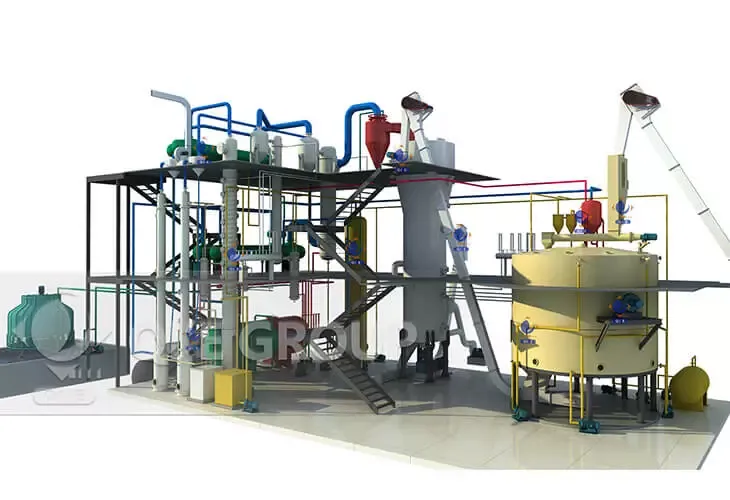

In the competitive landscape of edible oil processing, where profit margins often hinge on efficiency and product quality, the preprocessing stage stands as a critical determinant of overall operational success. For oilseed processors seeking to optimize their production lines, selecting the right equipment that integrates both cleaning and crushing functionalities can mean the difference between market leadership and mediocrity.
Industry data reveals a stark reality: inadequate preprocessing equipment can result in 5-8% yield loss during oil extraction, translating to millions in lost revenue annually for medium to large-scale operations. A 2023 survey by the International Association of Edible Oil Processors found that 43% of production inefficiencies trace back to suboptimal cleaning and crushing processes, often due to equipment mismatched to specific oilseed characteristics.
"The decision to invest in integrated preprocessing equipment should never be based solely on upfront costs. A well-selected system typically delivers ROI within 14-18 months through yield improvements and reduced maintenance expenses." — European Oilseed Processing Journal, 2023
Effective cleaning is the foundation of quality oil production, removing contaminants that can damage downstream equipment and compromise final product quality. Modern cleaning systems employ multi-stage processes that address different types of impurities:
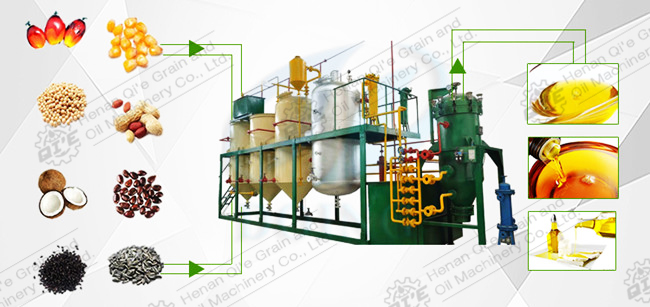
The choice between roller, hammer, and toothed roller crushing technologies significantly impacts oil extraction efficiency, energy consumption, and maintenance requirements. Understanding the strengths of each method is crucial for optimal equipment selection:
| Crushing Method | Optimal Oilseeds | Efficiency Rate | Energy Consumption | Maintenance Requirements |
|---|---|---|---|---|
| Roller Crushing | Soybeans, rapeseed, sunflower | 92-95% | Moderate (0.7-0.9 kWh/ton) | Low (quarterly roller adjustment) |
| Hammer Milling | Copra, peanuts, cottonseed | 88-92% | High (1.2-1.5 kWh/ton) | Medium (bi-monthly hammer replacement) |
| Toothed Roller | Flaxseed, sesame, smaller oilseeds | 90-93% | Moderate-high (0.9-1.1 kWh/ton) | Medium-high (monthly tooth inspection) |
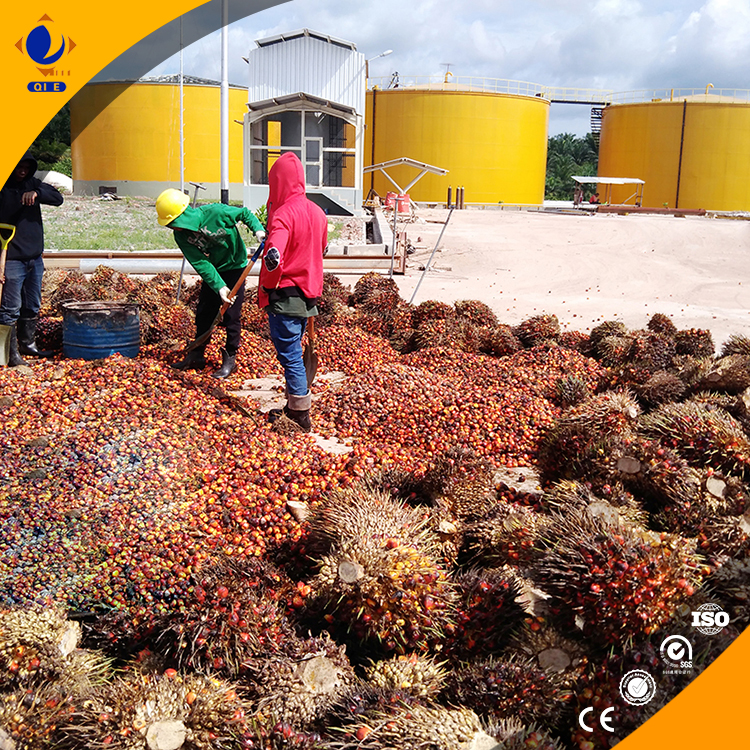
Different oilseeds require specific processing parameters to achieve optimal results. The following recommendations are based on industry best practices and field data from hundreds of installations:
Soybean Processing:
Sunflower Seed Processing:
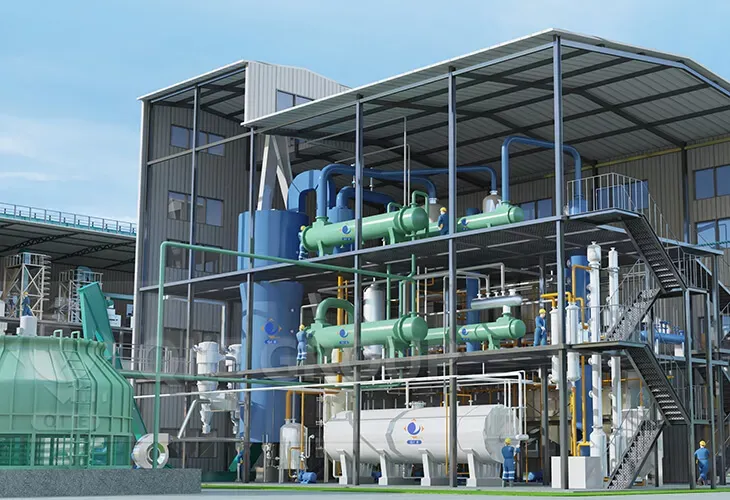
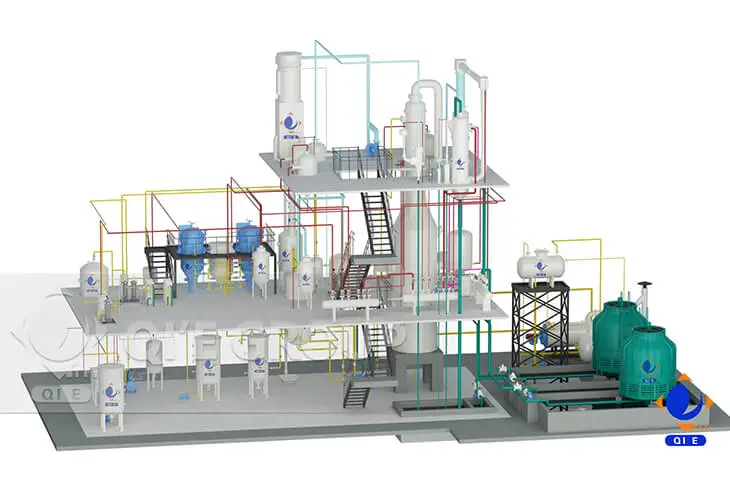
Modern oilseed processing facilities increasingly recognize that equipment integration and automation are not luxuries but necessities for remaining competitive. Integrated systems from Qie Group offer seamless transitions between cleaning, crushing, and subsequent processing stages, reducing material handling losses that typically range from 1.5-3% in non-integrated setups.
Automation features such as PLC control systems, sensor-based process monitoring, and remote diagnostics have been shown to:
15-20%
Reduction in labor costs
8-12%
Lower energy consumption
30-40%
Fewer process variations

A mid-sized European sunflower processor recently upgraded their preprocessing line with an integrated cleaning and crushing system. The results after six months of operation were striking:
Another case study involves a Southeast Asian palm oil producer that switched from hammer milling to roller crushing for their kernel processing. This change resulted in a 4.1% increase in oil extraction efficiency and reduced wear parts replacement costs by nearly 50% annually.
Download our comprehensive Oilseed Preprocessing Equipment Selection Checklist to ensure you make the right investment decision for your specific needs.
Download Free ChecklistWhen evaluating potential suppliers, look beyond technical specifications to consider factors like local service support, spare parts availability, and the supplier's track record with similar installations. A reputable supplier should be willing to conduct a detailed analysis of your specific requirements and provide references from similar operations.
For processors handling multiple oilseed types throughout the year, consider modular systems that can be reconfigured with minimal downtime. This flexibility allows you to adapt to market changes and seasonal variations in raw material availability.
Remember that the most expensive equipment isn't always the best investment. The optimal solution balances initial capital expenditure with long-term operating costs, maintenance requirements, and performance capabilities specific to your product mix and throughput requirements.