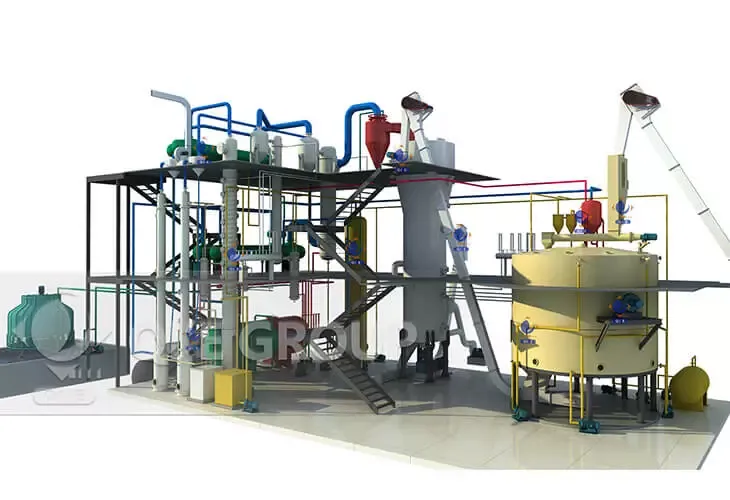

In the global edible oil industry, palm oil stands as a cornerstone commodity, with annual production exceeding 75 million metric tons. However, the journey from crude palm oil to the refined, odorless product that reaches international markets requires sophisticated processing technologies. Among these, deodorization represents a critical step that directly impacts product quality, shelf life, and marketability—especially for export-oriented producers aiming to meet stringent international standards.
Industry Insight:
According to the International Palm Oil Council, properly deodorized palm oil can achieve up to 18 months of shelf life under standard storage conditions, compared to just 3-4 months for inadequately processed oil. This quality difference directly translates to export competitiveness and market value.
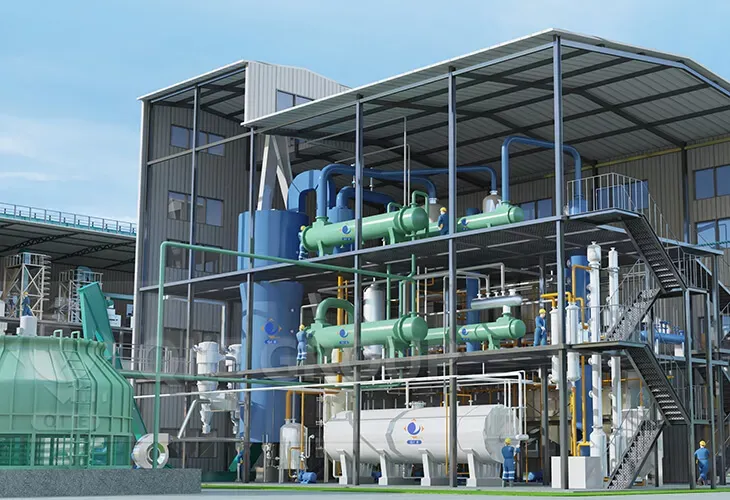
Palm oil deodorization relies on the principles of high-temperature vacuum distillation to remove volatile compounds responsible for undesirable odors and flavors. This process operates under vacuum conditions typically ranging from 1-5 mmHg, allowing for effective removal of volatile components at temperatures between 220°C and 260°C—significantly lower than the oil's smoke point, thus preserving its nutritional quality.
The technology works by exposing the oil to carefully controlled heat and vacuum conditions, causing volatile odoriferous compounds (including free fatty acids, aldehydes, and ketones) to vaporize and be carried away by stripping steam. The efficiency of this process depends on three critical parameters: temperature profile, vacuum level, and residence time—each requiring precise control to balance deodorization effectiveness with minimal oil degradation.
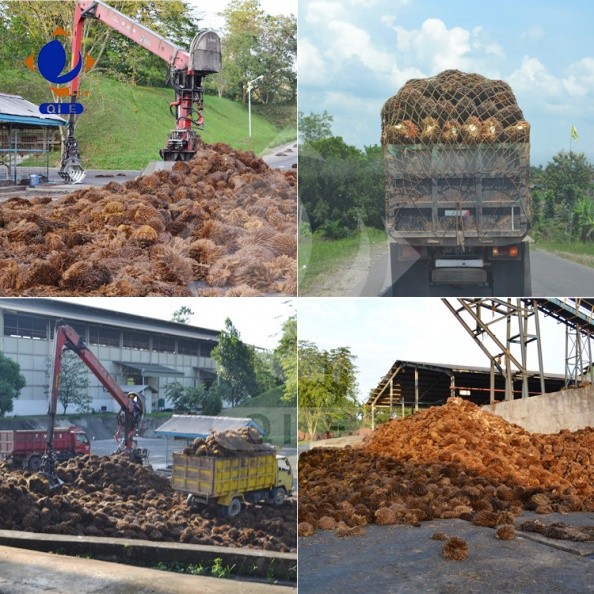
Mastering deodorization requires understanding how process parameters interact to influence final product quality. Temperature control is particularly critical—too low, and odor compounds remain; too high, and the oil may undergo thermal degradation, affecting color and nutritional value.
| Parameter | Optimal Range | Impact on Product Quality |
|---|---|---|
| Temperature | 230-250°C | Controls volatile compound removal; affects color stability |
| Vacuum Level | 1-3 mmHg | Reduces boiling points of volatile compounds; prevents oxidation |
| Residence Time | 30-60 minutes | Balances thorough deodorization with minimal thermal damage |
| Steam Injection Rate | 2-5% of oil weight | Carries away volatile compounds; affects energy consumption |
In practical operations, these parameters must be adjusted based on the specific characteristics of the crude palm oil feedstock. For example, oil with higher free fatty acid content may require slightly longer residence times or higher temperatures to achieve the same deodorization效果.
Modern palm oil refining facilities increasingly integrate deodorization with advanced dewaxing and fractionation systems to enhance product quality. The automatic temperature-controlled dewaxing system works in harmony with the deodorization process, addressing two critical quality parameters: color and low-temperature stability.
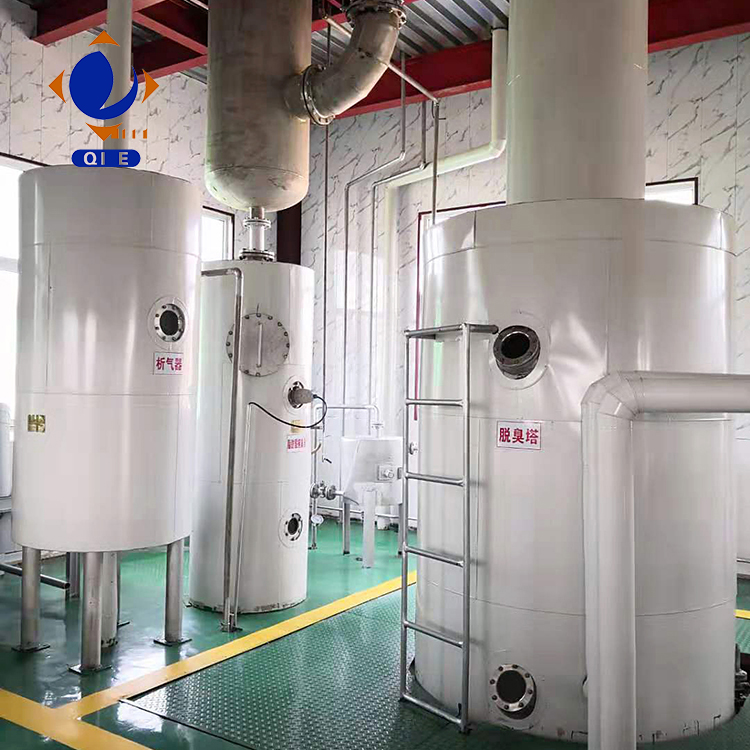
This integrated approach offers multiple benefits. By precisely controlling cooling rates and crystallization conditions after deodorization, the system effectively removes waxes and stearins, resulting in palm oil that remains clear and stable even at temperatures as low as 10°C—an essential quality for export markets with varied climate conditions.
Technical Advancement:
Recent innovations in heat recovery systems have reduced energy consumption in integrated deodorization-dewaxing processes by up to 28%, according to industry benchmarks. This not only improves operational efficiency but also aligns with the growing global demand for sustainable production practices.
Achieving optimal deodorization results requires more than just setting parameters—it demands a holistic approach to process optimization. One successful strategy involves implementing a multi-zone temperature profile within the deodorization column, gradually increasing temperature to minimize thermal stress on the oil while ensuring complete removal of volatile compounds.
Consider the case of a Southeast Asian palm oil producer that upgraded its deodorization system with 企鹅集团 (Penguin Group) technology, incorporating advanced temperature profiling and automated control systems. The results were impressive: free fatty acid reduction improved by 40%, color stability increased by 35%, and production capacity expanded by 25% while reducing energy consumption by 18%.
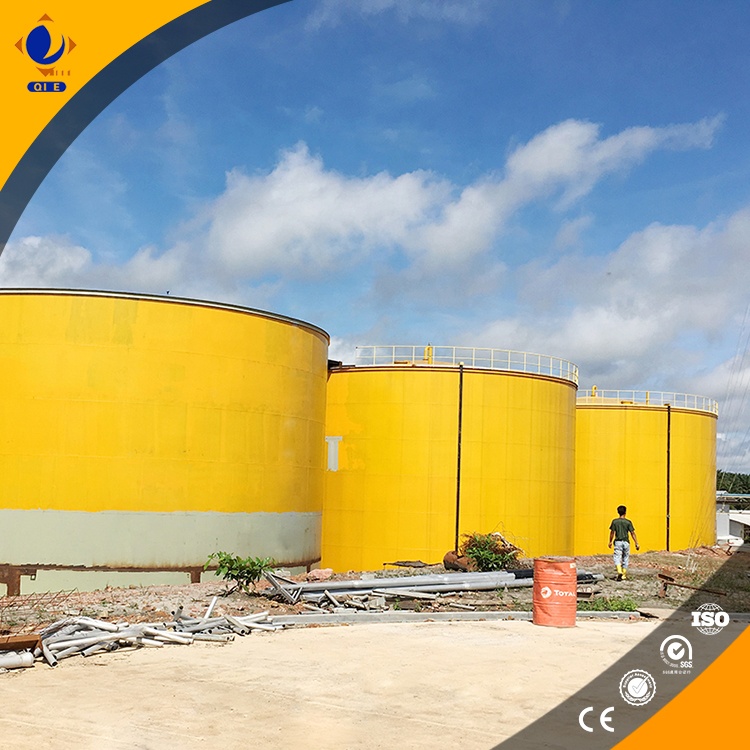
Another critical optimization area is the management of stripping steam. By preheating the steam and distributing it uniformly through the oil column, producers can achieve more efficient volatile compound removal while reducing overall steam consumption—a key factor in operational cost control.
Unlock the full potential of your palm oil production with industry-leading deodorization technology and expert process optimization.
Consult Penguin Group's Palm Oil Refining SpecialistsAs international markets continue to raise quality standards for edible oils, investing in advanced deodorization technology becomes not just a competitive advantage but a necessity. By combining precise process control, energy-efficient design, and integrated systems, producers can achieve consistent, high-quality palm oil that meets the demanding requirements of global buyers.
The future of palm oil refining lies in intelligent, data-driven process management. Emerging technologies like real-time quality monitoring and AI-based process optimization promise to further enhance efficiency and product quality, ensuring that palm oil remains a vital component of the global edible oil supply chain for years to come.