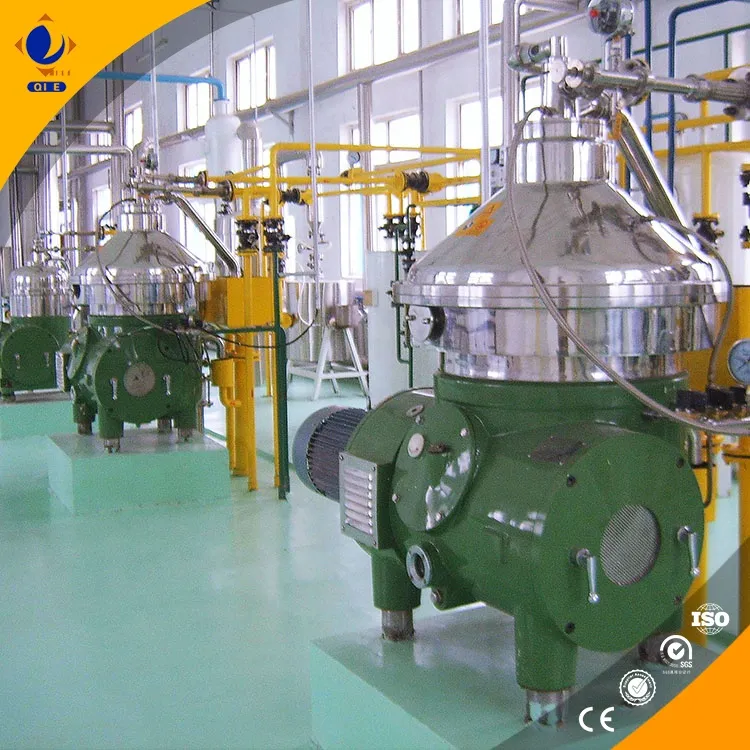
In the competitive edible oil industry, achieving superior product quality and extended shelf life requires mastering every step of the refining process. Among these critical stages, deodorization stands out as the transformative step that defines the final flavor profile and stability of palm oil products.
Palm oil refining is a sophisticated sequence of operations that transforms crude palm oil into a high-quality edible product. Each stage addresses specific quality concerns while preparing the oil for subsequent processing:
While each stage contributes to overall quality, deodorization represents the critical final step that directly impacts consumer acceptance and product stability. Modern facilities report that optimized deodorization can extend product shelf life by 30-40% compared to conventional processes.
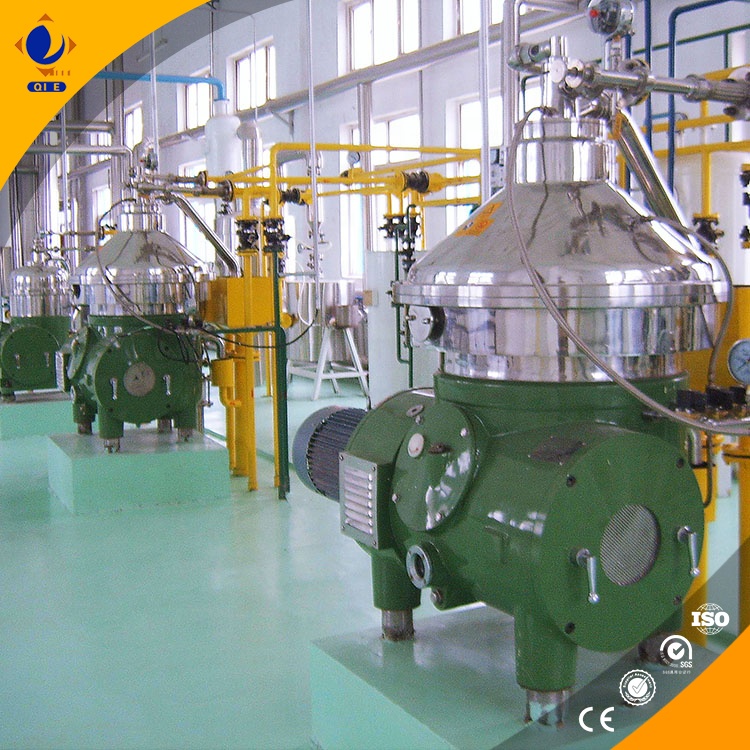
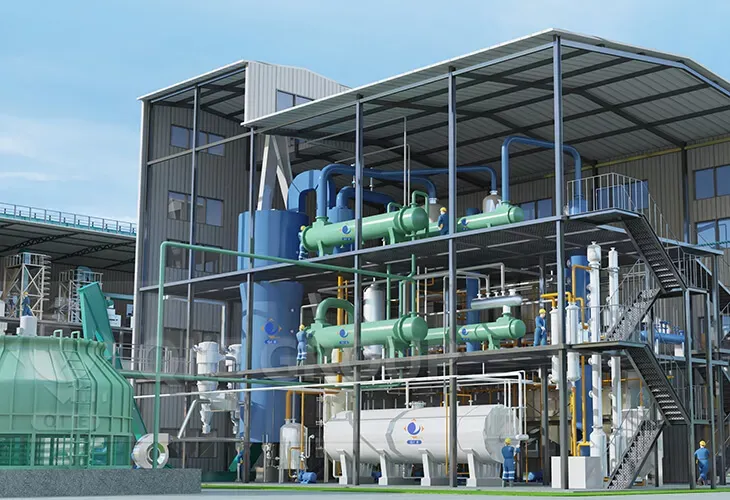
The deodorization process relies on precise application of heat and vacuum to strip volatile compounds without compromising the oil's nutritional properties. This sophisticated separation process operates on the principle that different compounds vaporize at distinct temperature-pressure combinations.
During deodorization, triglycerides remain in the liquid phase while volatile components—including free fatty acids, aldehydes, ketones, and hydrocarbons—vaporize and are carried away by the stripping steam. The automatic temperature control system is particularly crucial, as temperature fluctuations exceeding 5°C can cause either incomplete deodorization or thermal damage to the oil.
The primary measure of successful deodorization is enhanced flavor stability, which directly impacts product shelf life and consumer satisfaction. Oxidative stability index (OSI) testing typically shows a 2.5-3 fold improvement after optimized deodorization, with corresponding increases in shelf life from 6 months to 8-9 months under standard storage conditions.
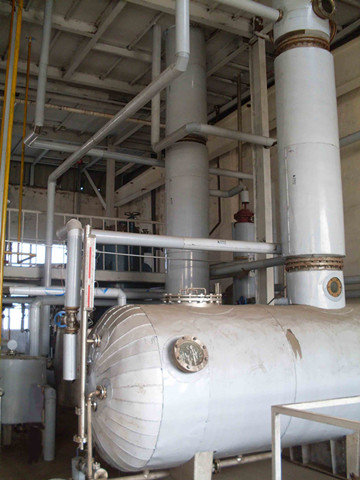
Challenge: A 500 MT/day palm oil refinery was experiencing inconsistent flavor profiles and shelf life limited to 6 months.
Intervention: Implementation of automated油品处理 system with precision temperature control and enhanced vacuum system.
Results:
ROI: Project payback period of 14 months through improved product quality and reduced energy costs.
This case demonstrates how advanced deodorization technology directly translates to business value. The 油脂稳定性 improvements not only enhanced product quality but also opened new market opportunities in premium food manufacturing sectors.
Traditional batch deodorization systems typically operate with longer processing times (120-150 minutes) and higher energy consumption. In contrast, modern continuous deodorization plants offer:
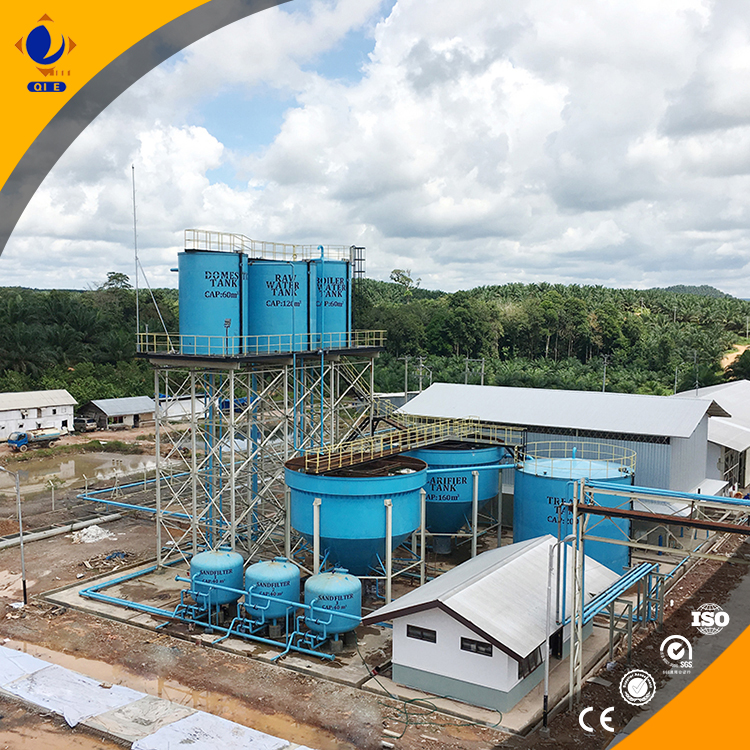
Achieving optimal deodorization results requires careful attention to several key control points. Operators must monitor not only temperature and vacuum levels but also oil flow rates, steam injection rates, and heat transfer efficiency.
企鹅集团 has developed specialized training programs for refinery personnel, focusing on identifying and troubleshooting common deodorization challenges. These include addressing issues like "carry-over" (excessive oil loss with stripping steam), incomplete deodorization due to insufficient temperature uniformity, and energy inefficiencies from poor heat recovery.
Discover how advanced deodorization technology can提升 your product quality, extend shelf life, and reduce operational costs.
Explore Penguin Group's Palm Oil Refining SolutionsAs the edible oil industry continues to evolve, the importance of precise deodorization becomes increasingly critical. By implementing modern 食用油精炼技术 and best practices, manufacturers can gain significant competitive advantages through improved product quality, enhanced stability, and operational efficiency.
Technical professionals seeking to optimize their refining processes should consider not only the immediate quality improvements but also the long-term benefits of energy efficiency and sustainability—areas where advanced deodorization systems offer substantial advantages over traditional approaches.