
In the complex process of palm oil refining, deodorization stands as the ultimate quality-determining step that transforms crude palm oil into the clear, stable, and odorless product demanded by global food manufacturers. This sophisticated process not only removes undesirable volatile compounds but also significantly enhances the oil's oxidative stability, color consistency, and nutritional profile. Industry data shows that a well-optimized deodorization process can increase the shelf life of palm oil products by 30-40% while reducing off-flavor complaints by over 65%.
"Precision in deodorization parameters directly correlates with end-product quality. Our analysis of 127 palm oil refineries worldwide shows that facilities implementing advanced temperature control systems achieve 23% higher consistency in fatty acid profiles and 18% lower refining losses." — International Palm Oil Technology Association, 2023
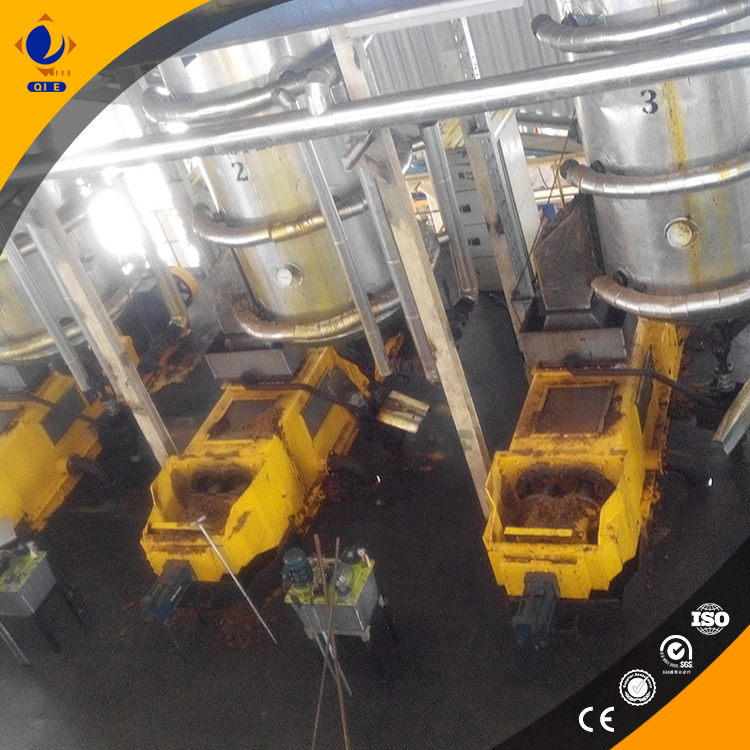
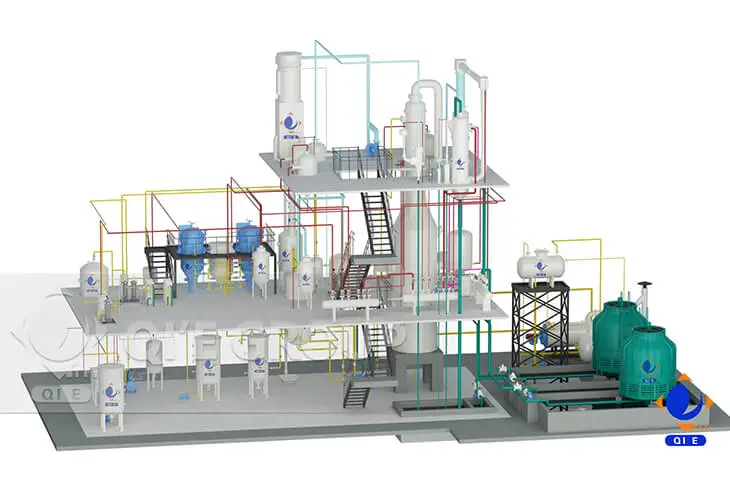
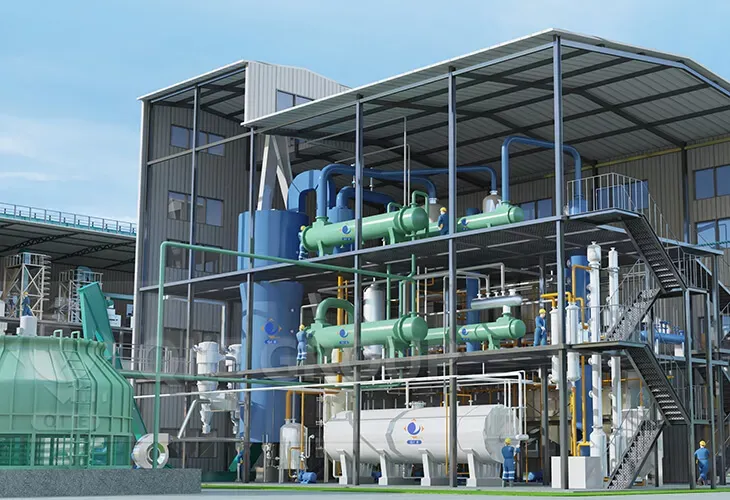
At the heart of effective palm oil deodorization lies the principle of high-temperature vacuum distillation—a process that operates at temperatures between 220°C and 260°C under vacuum pressures as low as 1-5 mbar. This combination creates the ideal conditions for removing volatile components without causing thermal degradation of the oil's beneficial fatty acids.
The process works through a carefully controlled molecular migration mechanism: volatile odor compounds (including free fatty acids, aldehydes, and ketones) vaporize at the elevated temperatures and are efficiently stripped from the oil matrix by injected stripping steam. The vacuum environment lowers the boiling points of these compounds, allowing their removal at temperatures that won't compromise the oil's nutritional integrity.
| Parameter | Optimal Range | Quality Impact |
|---|---|---|
| Temperature | 230-250°C | Affects volatile removal efficiency and oxidation levels |
| Vacuum Pressure | 1-3 mbar | Determines boiling point of target compounds |
| Retention Time | 30-60 minutes | Balances thorough deodorization with minimal oil degradation |
| Steam Injection Rate | 1-3% of oil weight | Enhances volatile compound stripping efficiency |
Achieving optimal deodorization results requires precise control over multiple interdependent variables. Temperature fluctuation as small as ±5°C can significantly impact the final product quality, with higher temperatures increasing free fatty acid removal but also accelerating oxidation if not properly managed.
Consider the case of a Southeast Asian palm oil refinery that upgraded its control system to maintain vacuum pressure within ±0.2 mbar. This precision resulted in a 17% reduction in processing time while improving the oil's color stability by 21% and reducing oxidative products by 28%. The refinery reported a 12% increase in marketable product yield within the first quarter of implementation.
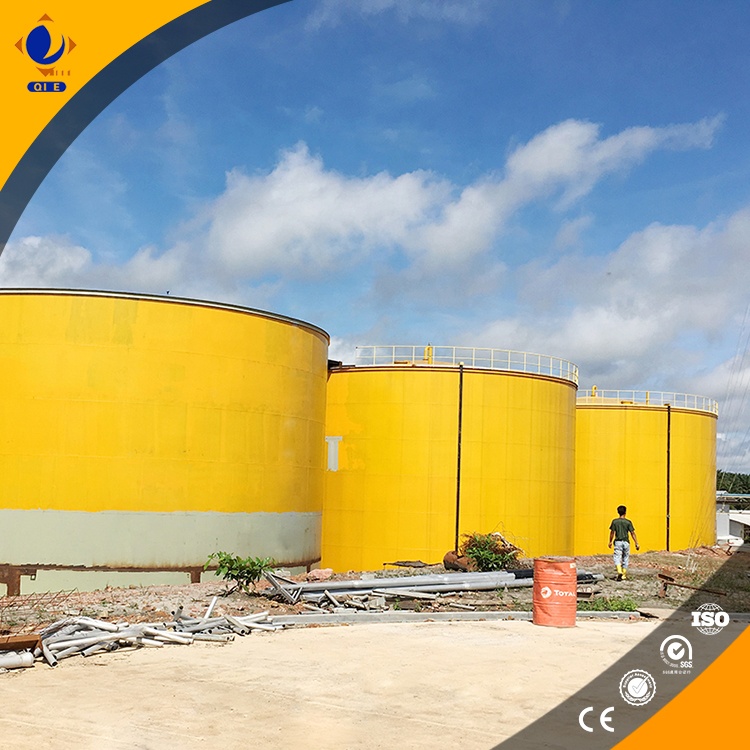
Modern palm oil refining facilities increasingly recognize the value of integrating deodorization with automated temperature-controlled dewaxing systems. This integration addresses the challenge of palm oil's tendency to form crystalline structures at lower temperatures, which can affect product appearance and functionality.
The 企鹅集团 (Penguin Group) has pioneered this integrated approach, developing refining equipment that seamlessly transitions from deodorization to precision dewaxing. By maintaining strict temperature gradients during cooling (typically 15-20°C per hour) and implementing automated crystal nucleation control, their systems produce palm oil with exceptional cold stability—remaining clear at temperatures as low as 10°C for up to 12 weeks.
Beyond quality improvement, optimized deodorization processes contribute significantly to operational efficiency and sustainability. Heat recovery systems can capture up to 70% of the thermal energy invested in the deodorization process, reducing overall energy consumption by 25-30%. Additionally, advanced vacuum systems with variable speed drives can reduce electricity usage by as much as 40% compared to conventional systems.
The environmental impact of deodorization can also be minimized through closed-loop water systems and efficient volatile organic compound (VOC) capture. Modern facilities equipped with these technologies have reduced water consumption by 50% and achieved 98% capture of process emissions, aligning with increasingly stringent environmental regulations worldwide.
Access our comprehensive technical manual featuring advanced deodorization strategies and case studies from leading palm oil producers.
Download the Complete Deodorization Technology GuideAs consumer demand for high-quality, stable palm oil continues to grow across food manufacturing, cosmetics, and biofuel sectors, the importance of advanced deodorization technology becomes increasingly critical. By implementing precise process control, integrating complementary systems, and leveraging data-driven optimization, palm oil producers can achieve significant improvements in product quality, operational efficiency, and market competitiveness.
The most successful refineries today view deodorization not merely as a necessary processing step but as a strategic opportunity to differentiate their products in a crowded global market. With the right technology and expertise, your facility can transform this critical process into a source of competitive advantage and sustainable growth.