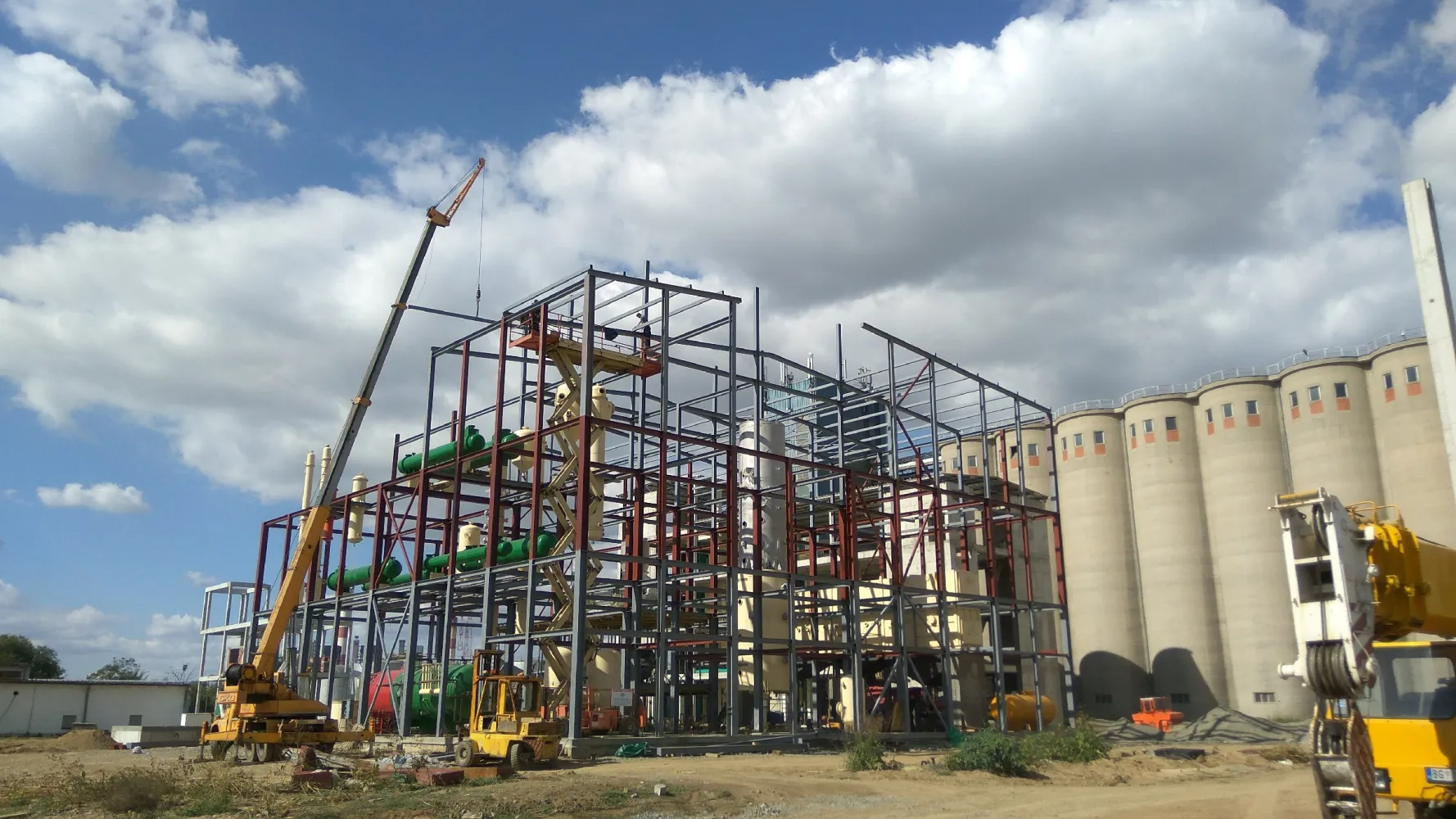

Oil extraction equipment planning is increasingly shaped by environmental requirements, energy management, solvent recovery, and production capacity. For palm oil and other vegetable oil projects, the right process configuration should be evaluated according to the feedstock, target output, product quality requirements, local regulations, and long-term operating objectives.
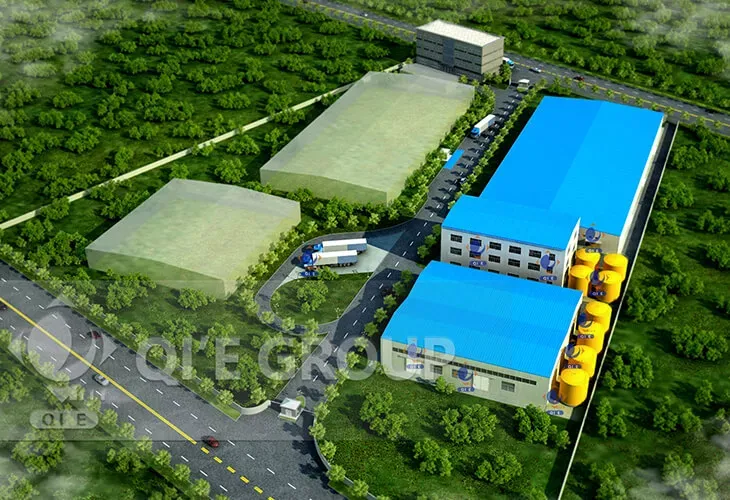
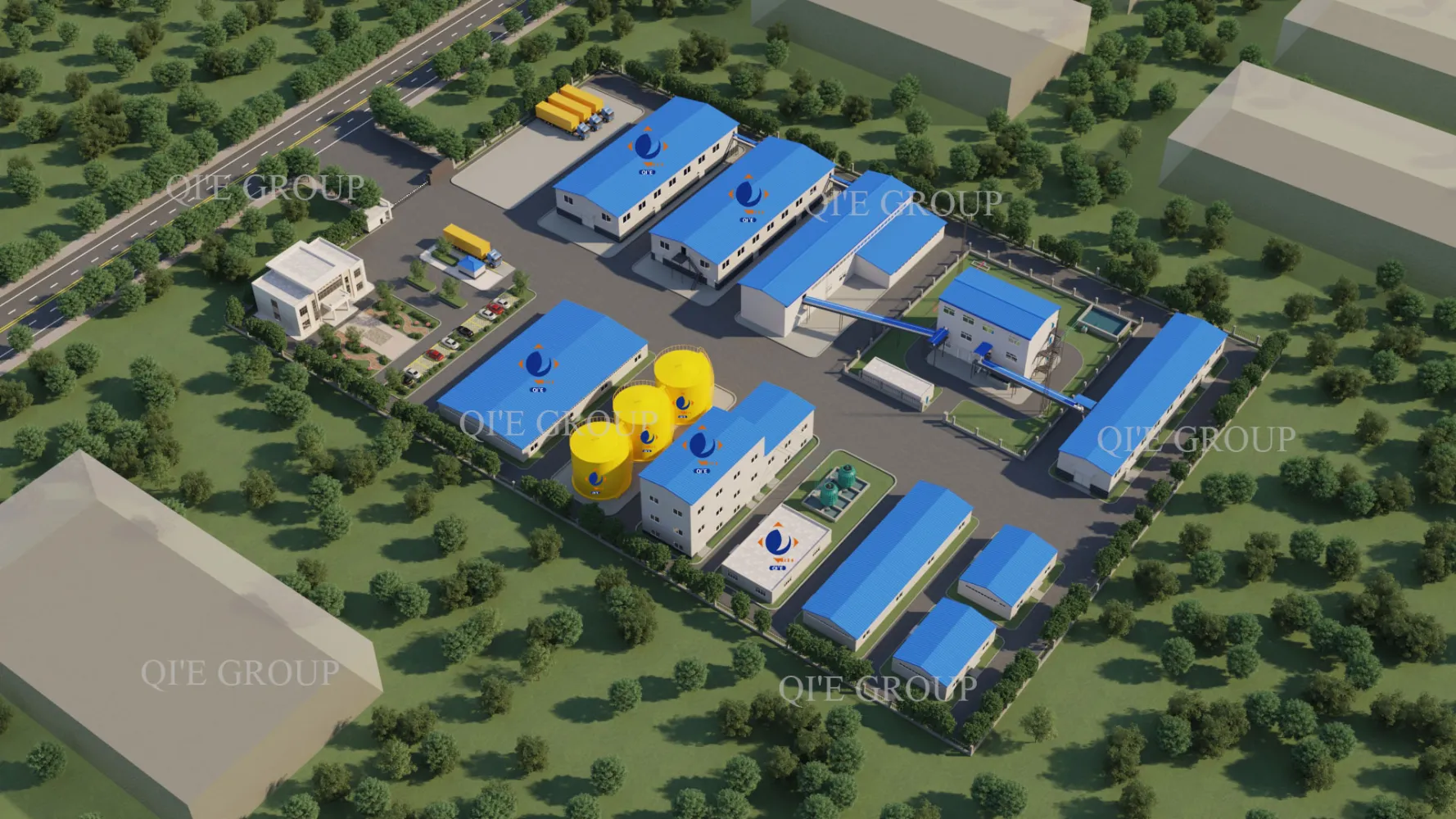
QI’E Group provides oil solvent extraction equipment and customized oil processing solutions for projects with capacities from 30 to 5,000 tons per day. Its equipment planning approach integrates extraction, desolventizing, drying and cooling, solvent recovery, and related oil processing stages into a coordinated production solution.
Market requirements are not determined by equipment price alone. A practical palm oil extraction project must balance processing efficiency, environmental control, energy consumption, plant scale, and operational reliability.
Emission control and safe handling of process solvents are important considerations when selecting extraction equipment and designing plant utilities.
Heat recovery, solvent recovery, and efficient process control can influence operating costs throughout the production cycle.
A scalable configuration helps align equipment selection with current output needs and future expansion plans.
Different oilseeds and vegetable oil materials require process parameters and equipment arrangements suited to their physical properties.
Oil solvent extraction uses solvent wetting, penetration, molecular diffusion, and convective mass transfer to separate oil from prepared oil-bearing materials. The technology is commonly considered for large-scale vegetable oil processing projects where continuous operation and high extraction efficiency are important planning objectives.
Depending on the raw material and project requirements, QI’E Group can coordinate a complete oil processing line covering pretreatment, pressing, solvent extraction, refining, and associated process systems. For palm oil-related projects, the final process route should be confirmed through feedstock analysis and technical engineering evaluation rather than selected solely by production capacity.
| System | Planning role | Relevant consideration |
|---|---|---|
| Pretreatment and pressing | Prepares the material for downstream extraction. | Configuration depends on the raw material and intended oil recovery route. |
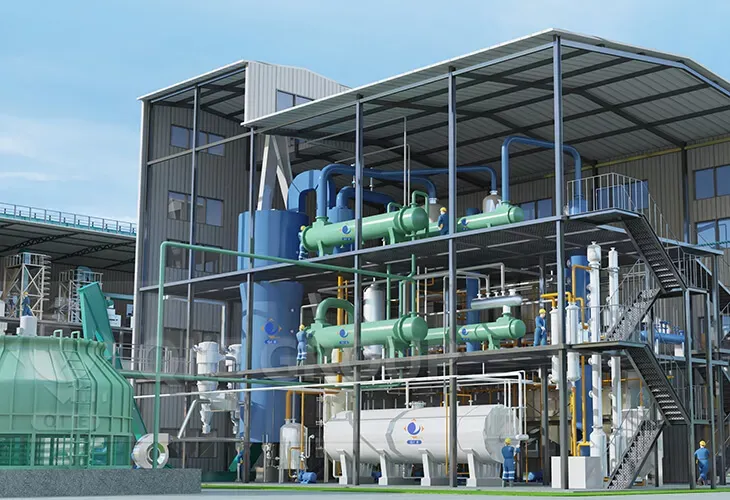
| Solvent extraction | Uses solvent contact and mass transfer to recover oil from prepared material. | Equipment selection should reflect capacity, feedstock, operating conditions, and safety requirements. |
| DTDC desolventizing system | Supports desolventizing, toasting, drying, and cooling of the extracted meal. | An integrated design helps manage residual solvent and prepare the meal for subsequent handling. |
| n-Hexane recovery | Recovers solvent vapor from relevant process sections. | Recovery planning can support solvent management, energy control, and emissions reduction. |
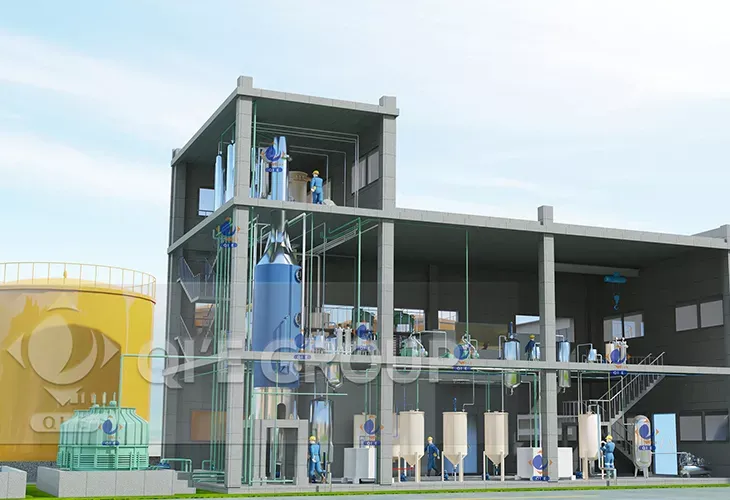
| Oil refining | Processes extracted crude oil toward the required quality specification. | The refining sequence should be matched to the oil type and final product requirements. |
Solvent recovery is a central part of environmentally focused solvent extraction technology. In the QI’E Group solution, n-hexane evaporated from process sections is collected through the recovery system to support solvent reuse and reduce avoidable energy and material losses.
The DTDC system is designed to remove solvent from wet meal through desolventizing, drying, and cooling stages. This coordinated treatment helps improve process control while addressing product handling, solvent management, and plant safety requirements. Actual performance depends on raw material conditions, operating parameters, equipment configuration, and project management.
QI’E Group is a grain and oil machinery company providing oil pressing equipment, oil production line equipment, oil refining equipment, and related technical services. Its solvent extraction solutions are planned for daily capacities from 30 to 5,000 tons, supporting different project scales in Asia, Africa, South America, and other international markets.
The company’s service scope can include process design, equipment manufacturing, installation guidance, commissioning support, and technical service. By combining extraction technology with DTDC desolventizing and n-hexane recovery, QI’E Group helps customers evaluate oil processing projects through a more complete framework of capacity, efficiency, environmental management, and long-term operating needs.
For a palm oil or vegetable oil extraction project, the most suitable equipment solution should be determined by the feedstock, capacity, product specification, environmental requirements, and overall process design. QI’E Group can support this evaluation with customized oil processing solutions and integrated equipment planning.