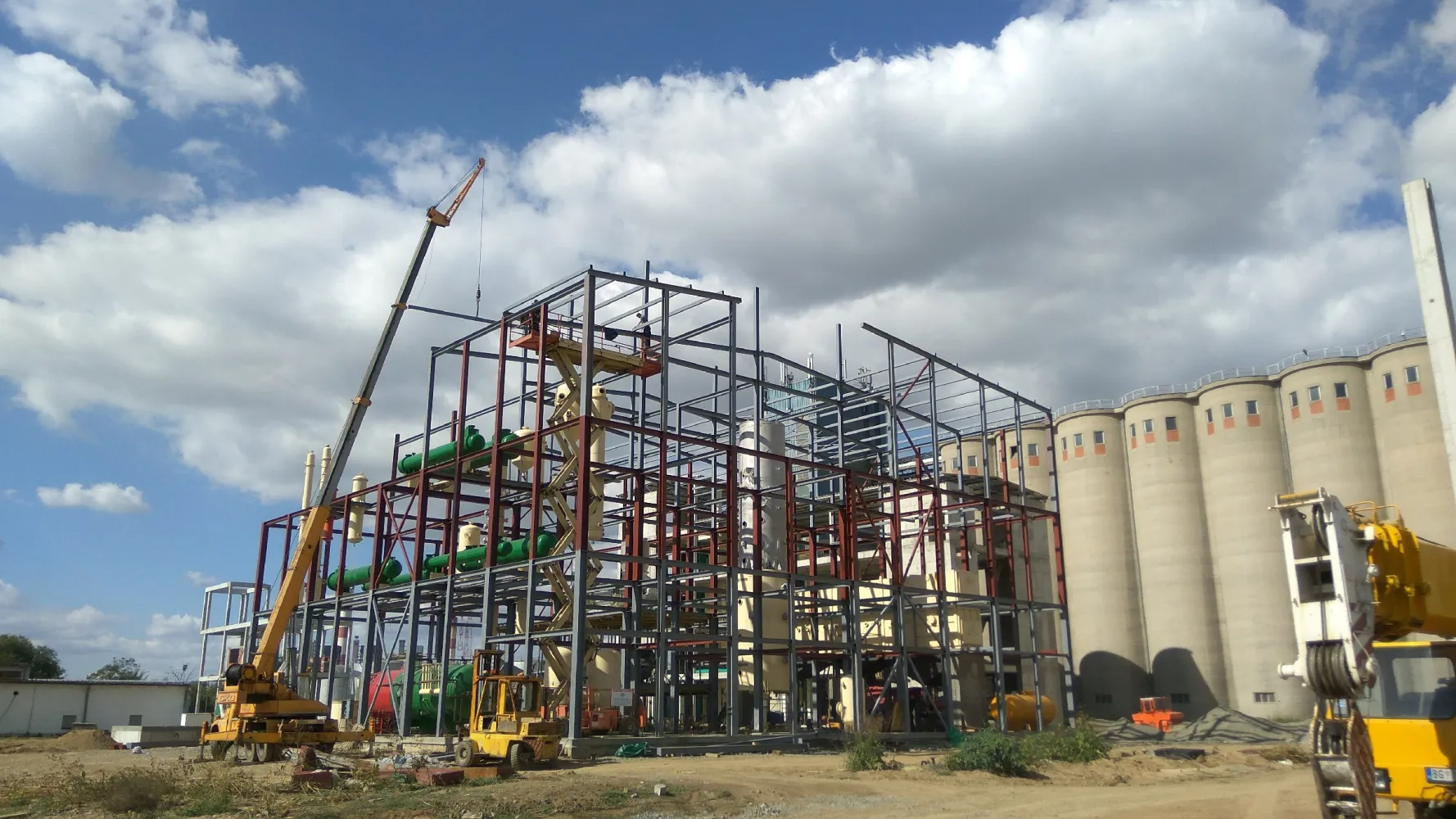

As palm oil and other vegetable oil projects become more attentive to environmental requirements, energy costs and production efficiency, solvent extraction technology is becoming an important factor in equipment selection. For project planners, the right solution must be evaluated as an integrated system rather than as a single machine.
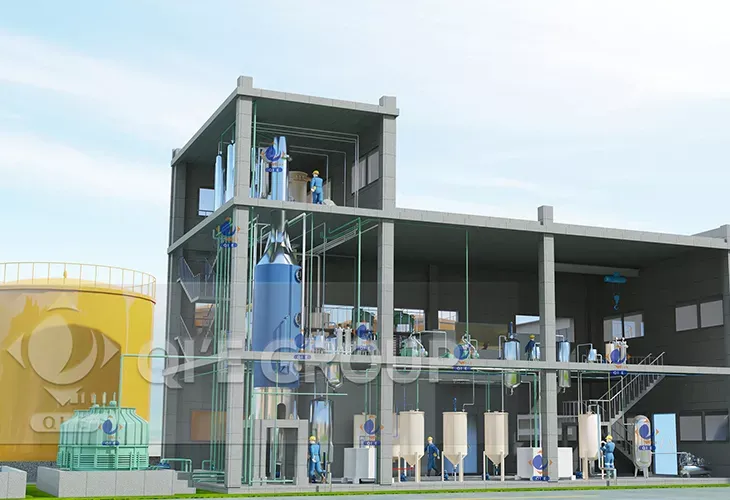
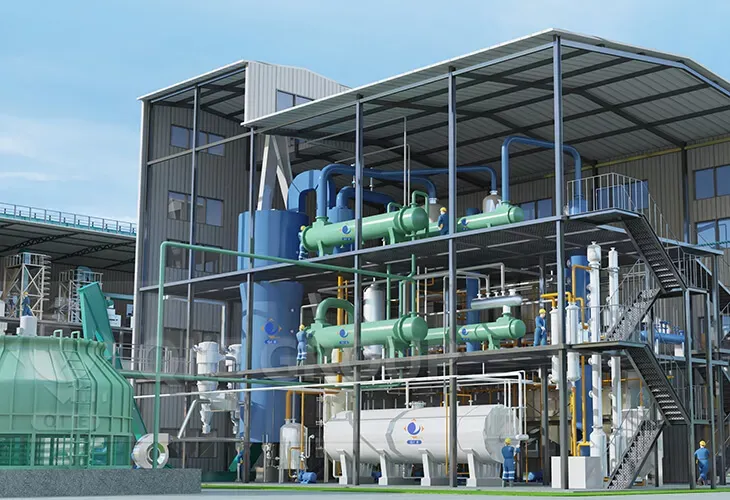
QI'E Group provides scalable oil solvent extraction solutions for processing capacities from 30 tons per day to 5,000 tons per day. Its system design can integrate pretreatment, pressing, solvent extraction, DTDC desolventizing, n-hexane recovery and refining according to the raw material, capacity target and operating requirements of each project.
Solvent extraction uses solvent wetting, penetration, molecular diffusion and convective mass transfer to separate oil from prepared oil-bearing materials. This approach is particularly relevant when a project requires a complete oil processing line, consistent operating control and efficient use of raw materials.
When comparing palm oil extraction equipment or other vegetable oil processing systems, buyers should consider the relationship between extraction performance, solvent management, desolventizing, energy consumption, emissions control and future production capacity. These factors influence both the technical configuration and the long-term operating requirements of an oil processing plant.
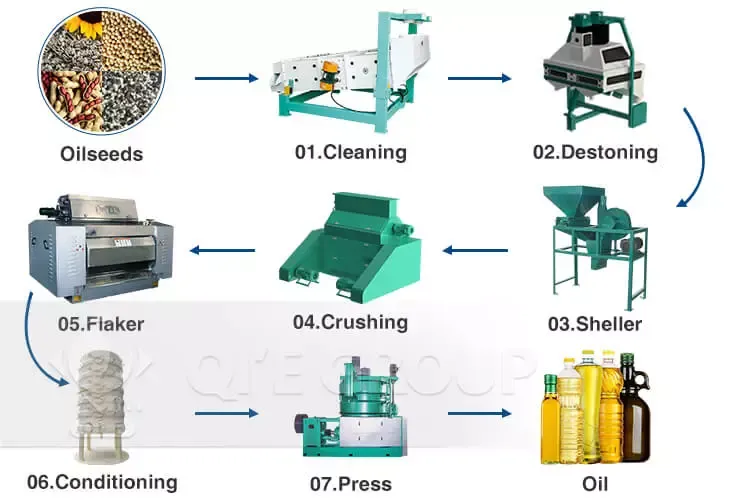
A complete line may include pretreatment, pressing, solvent extraction and refining. Coordinating these stages helps project teams assess the full process flow instead of selecting isolated equipment without considering upstream and downstream compatibility.
An n-hexane recovery system is a central consideration for solvent extraction plants. Recovering solvent evaporated from process sections can support more controlled solvent use and help reduce energy and operating costs.
Modern equipment selection increasingly includes gas emission treatment and process containment. Environmental design should be reviewed together with operating procedures, maintenance requirements and applicable local regulations.
After solvent extraction, the extracted meal contains solvent that must be removed through a controlled process. QI'E Group’s solvent extraction plant is equipped with a DTDC system, integrating desolventizing, toasting, drying and cooling functions.
The DTDC process is designed to support the removal of solvent from wet meal during toasting, drying and cooling. For project evaluation, the system should be considered alongside meal quality requirements, heat management, solvent recovery and the overall production line layout.
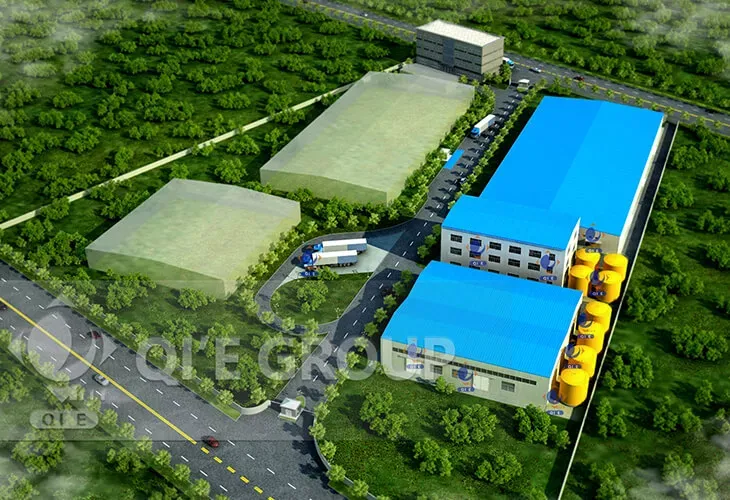
Capacity planning affects equipment configuration, utilities, material handling, storage, control systems and future expansion options. QI'E Group supports oil solvent extraction projects ranging from small industrial operations to large-scale plants with stated processing capacities of 30 to 5,000 tons per day.
| Selection factor | What project planners should review |
|---|---|
| Processing capacity | Target daily throughput, production schedule and possible future expansion. |
| Raw material | Oil-bearing material characteristics, pretreatment needs and compatibility with the selected process. |
| Energy and solvent use | Heat demand, solvent circulation, recovery arrangements and operating cost considerations. |
| Environmental controls | Gas emission treatment, process containment and compliance with applicable environmental requirements. |
| Technical support | Engineering design, installation coordination, commissioning and ongoing service needs. |
Solvent extraction equipment performs best when it is planned as part of a compatible oil processing line. Depending on project requirements, the solution may connect pretreatment and pressing with extraction, desolventizing, solvent recovery and refining. This approach allows buyers to review process continuity, equipment interfaces and operational responsibilities at the planning stage.
In addition to solvent extraction systems, Qi'e Grain and Oil Machinery Co., Ltd. develops and supplies oil pressing equipment, oil production line equipment and edible oil refining equipment for customers in Asia, Africa and South America. The company’s engineering and service approach is built around technology innovation, quality and practical support for long-term B2B cooperation.
For a palm oil or other vegetable oil processing project, equipment selection should begin with a clear assessment of raw materials, desired capacity, process configuration, energy use, solvent recovery, DTDC desolventizing and environmental requirements. QI'E Group can use these project parameters to develop a scalable oil solvent extraction solution rather than applying a one-size-fits-all configuration.