Palm Oil Refining Equipment Selection Guide: Matching Deodorization Units for 1-500 TPD Capacity

17 03,2026
QI ' E Group
Application Tips
This guide explores how to select suitable palm oil refining equipment, with a focus on deodorization units, for capacities ranging from 1 to 500 tons per day (TPD). It breaks down key process modules including degumming, neutralization, bleaching, deodorization, and dewaxing, and highlights the application of automatic temperature control systems. The aim is to assist technical directors and procurement decision-makers in palm oil production enterprises to scientifically match equipment, enhance production efficiency, product quality, and maximize investment returns. It also provides practical guidance and optimization suggestions by comparing equipment configurations across different capacity ranges.
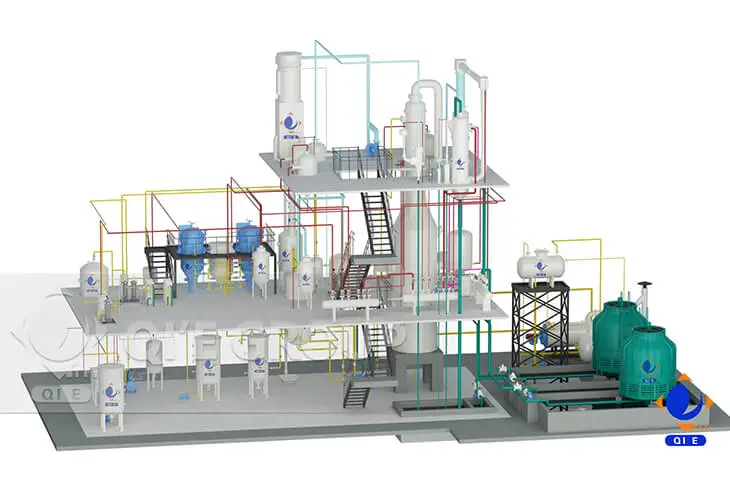
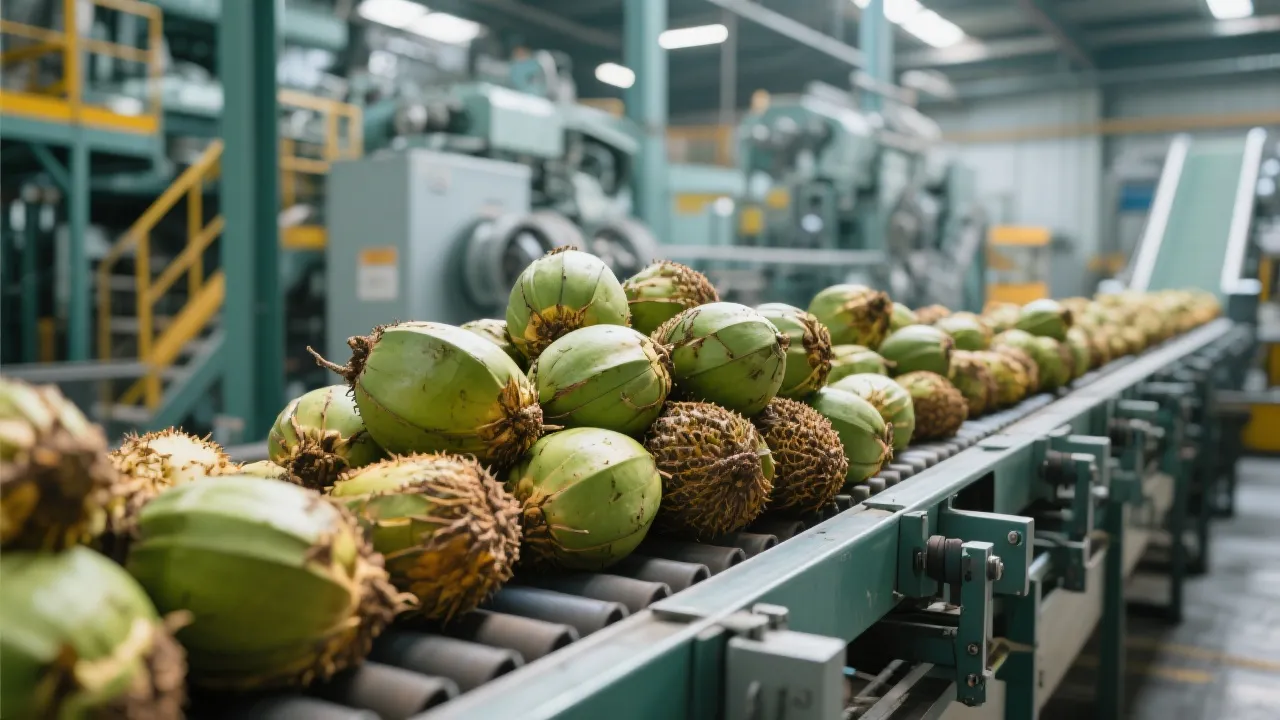
Palm oil refining process flow diagram showing the interconnected stages of degumming, neutralization, bleaching, deodorization, and dewaxing with process parameters

In the competitive edible oil processing industry, selecting the right palm oil refining equipment is a critical decision that directly impacts production efficiency, product quality, and return on investment. This guide focuses on matching deodorization units with capacities ranging from 1-500 tons per day, providing technical insights for plant managers and procurement decision-makers.

Understanding Palm Oil Refining Process Fundamentals

The palm oil refining process consists of several interconnected stages, each addressing specific quality challenges. From crude palm oil to refined, bleached, deodorized palm oil (RBDPO), each step contributes to the final product's color, flavor, and stability.
Key Refining Stages and Their Functions:

  • Degumming: Removes phospholipids (3-5% of crude palm oil composition) through water or acid treatment
  • Neutralization: Reduces free fatty acids (typically from 5-15% to below 0.15%) using caustic soda
  • Bleaching: Removes carotenoids and chlorophyll using activated clay (consumption rate: 1-3% of oil weight)
  • Deodorization: Eliminates volatile compounds at 220-260°C under high vacuum (5-10 mmHg)
  • Dewaxing: Removes wax esters (0.5-2% in crude oil) through controlled cooling (20-25°C)
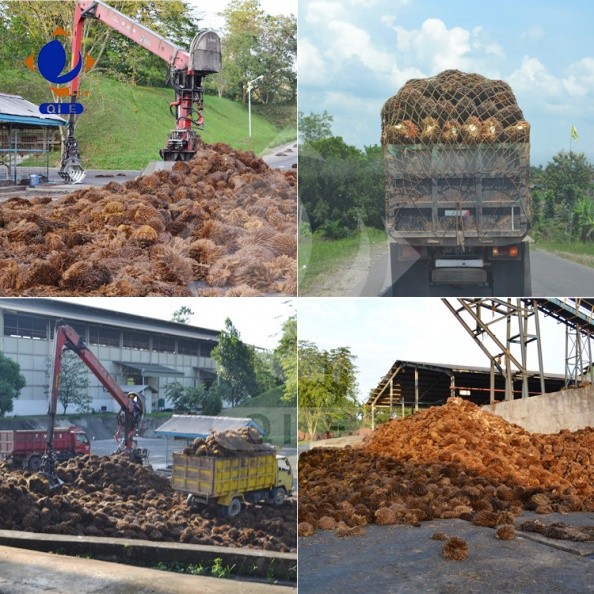
Palm oil refining process flow diagram showing the interconnected stages of degumming, neutralization, bleaching, deodorization, and dewaxing with process parameters

Deodorization Unit: The Heart of Quality Refining

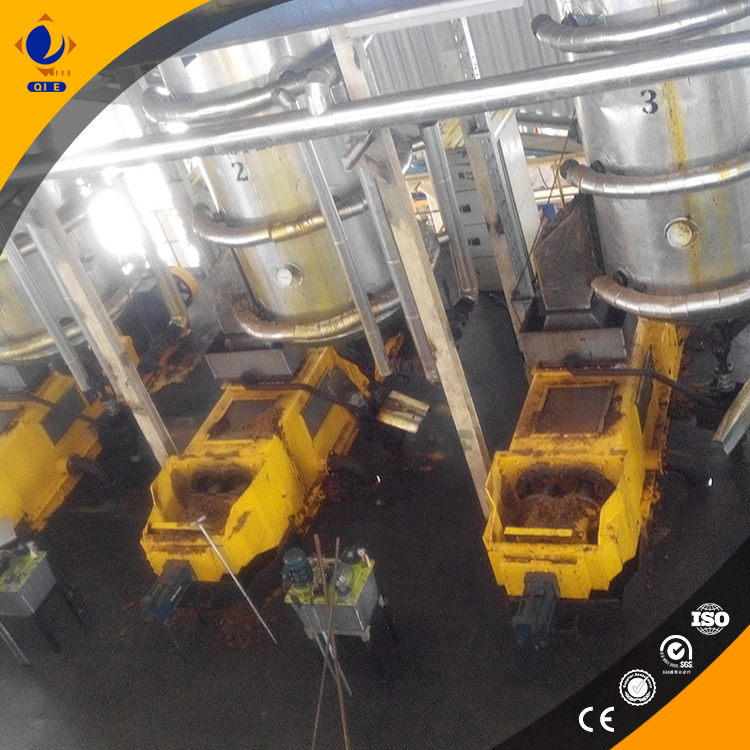
The deodorization stage is particularly critical as it directly influences the oil's sensory properties and shelf life. Modern deodorization systems employ high-temperature vacuum distillation to remove volatile components while preserving beneficial tocopherols and tocotrienols.
Technical Advantages of Efficient Deodorization:

  • Reduction of free fatty acids by 80-95%
  • Removal of off-flavors and odors (99%+ volatile compounds)
  • Retention of 70-85% natural antioxidants
  • Extended product shelf life (12-18 months under proper storage)

Automatic Temperature Control Benefits:

  • Precision temperature regulation (±1°C)
  • Energy savings of 15-25% compared to manual systems
  • Consistent product quality batch-to-batch
  • Reduced operator error and training requirements
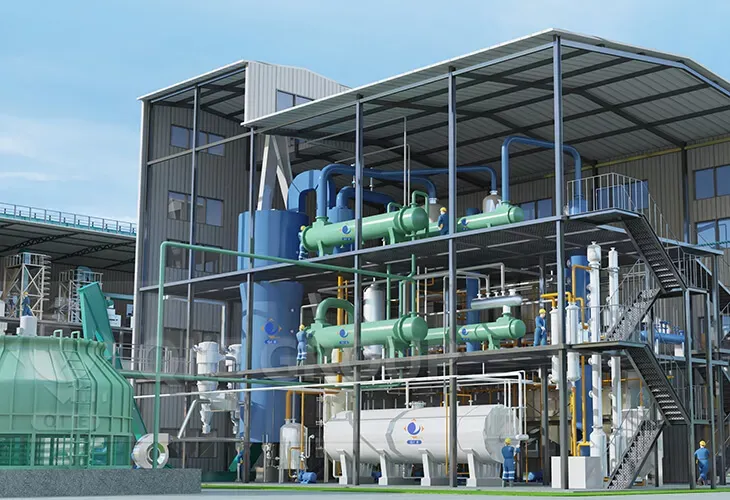
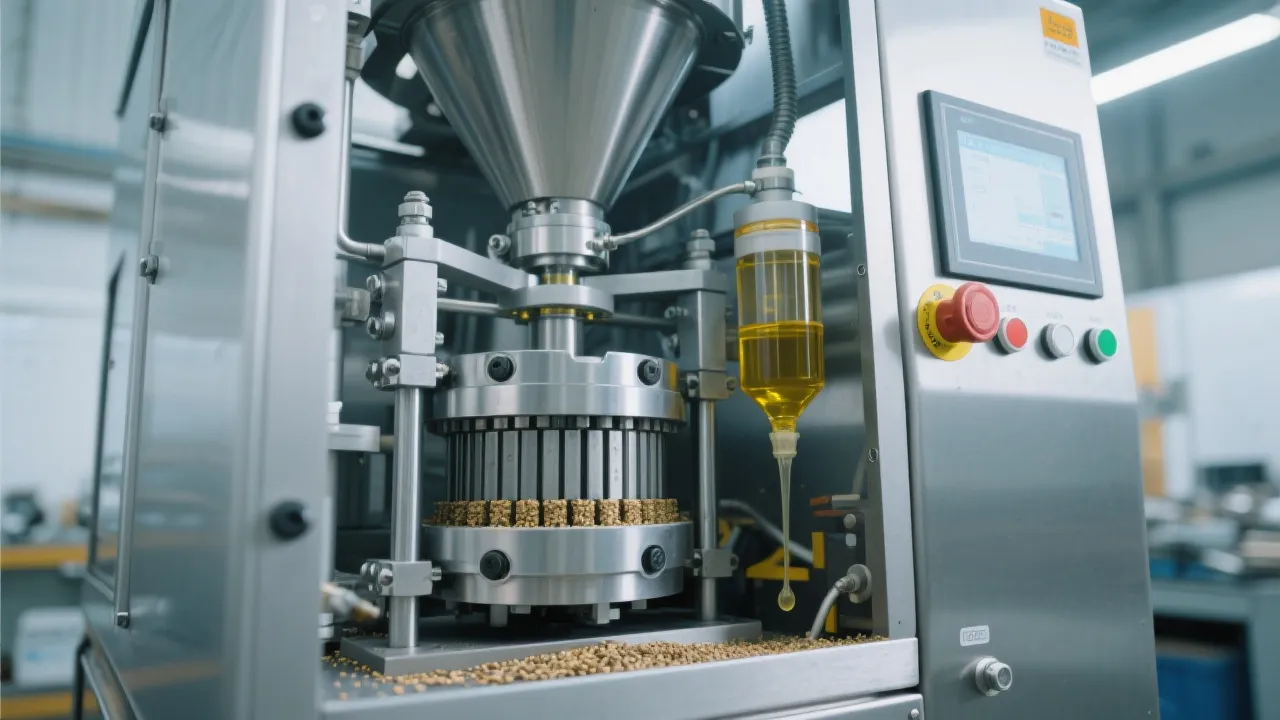
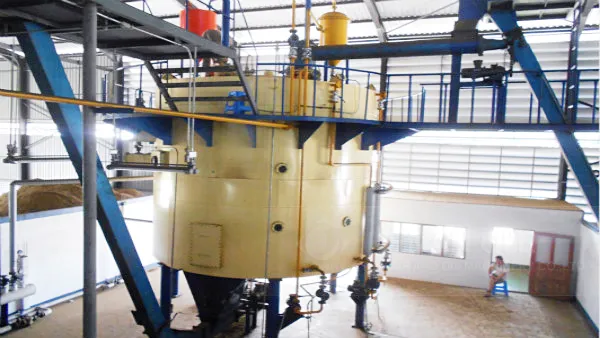
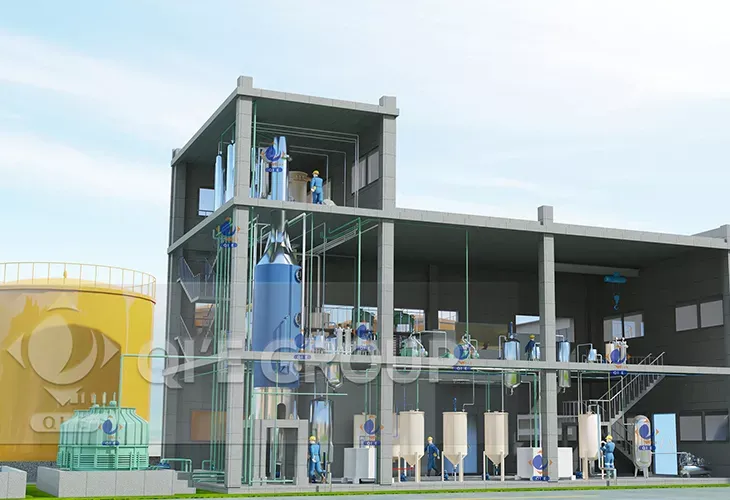
High-efficiency palm oil deodorization equipment with automatic temperature control system showing vacuum chambers and heat recovery components

Capacity-Based Equipment Selection Strategy

Matching equipment scale to production needs is essential for optimizing capital investment and operational costs. Different capacity ranges require distinct approaches to system design and component selection.

Capacity Range (TPD) Optimal Deodorizer Type Key Features Energy Consumption (kWh/ton)
1-50 TPD Batch-type deodorizer Compact design, lower initial investment, flexible operation 120-150
51-200 TPD Semi-continuous system Multiple chambers, improved heat recovery, higher automation 90-120
201-500 TPD Continuous deodorization plant Full heat integration, advanced process control, minimal labor 60-90

When evaluating equipment options, consider not just current capacity needs but also future expansion plans. A well-designed system should allow for capacity increases of 20-30% without major overhauls.
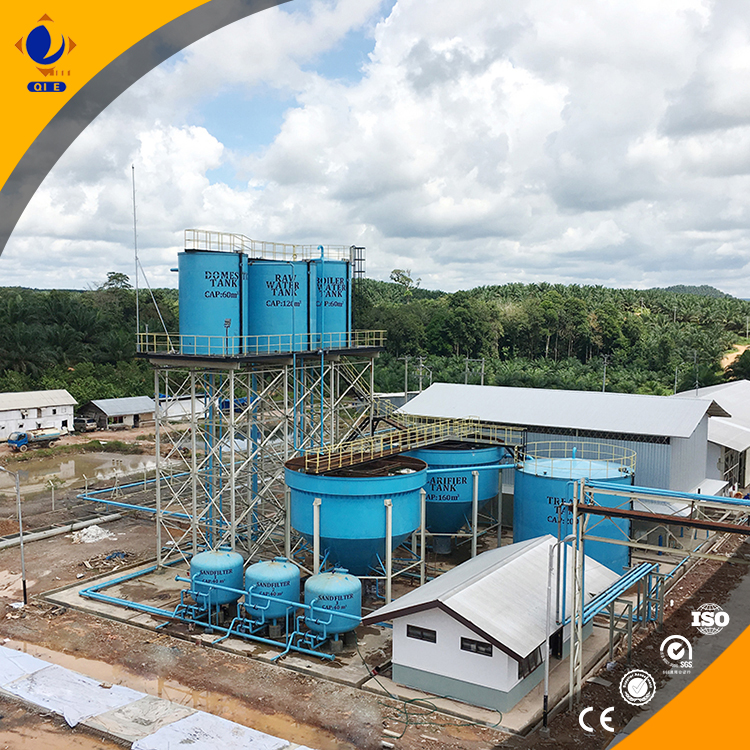
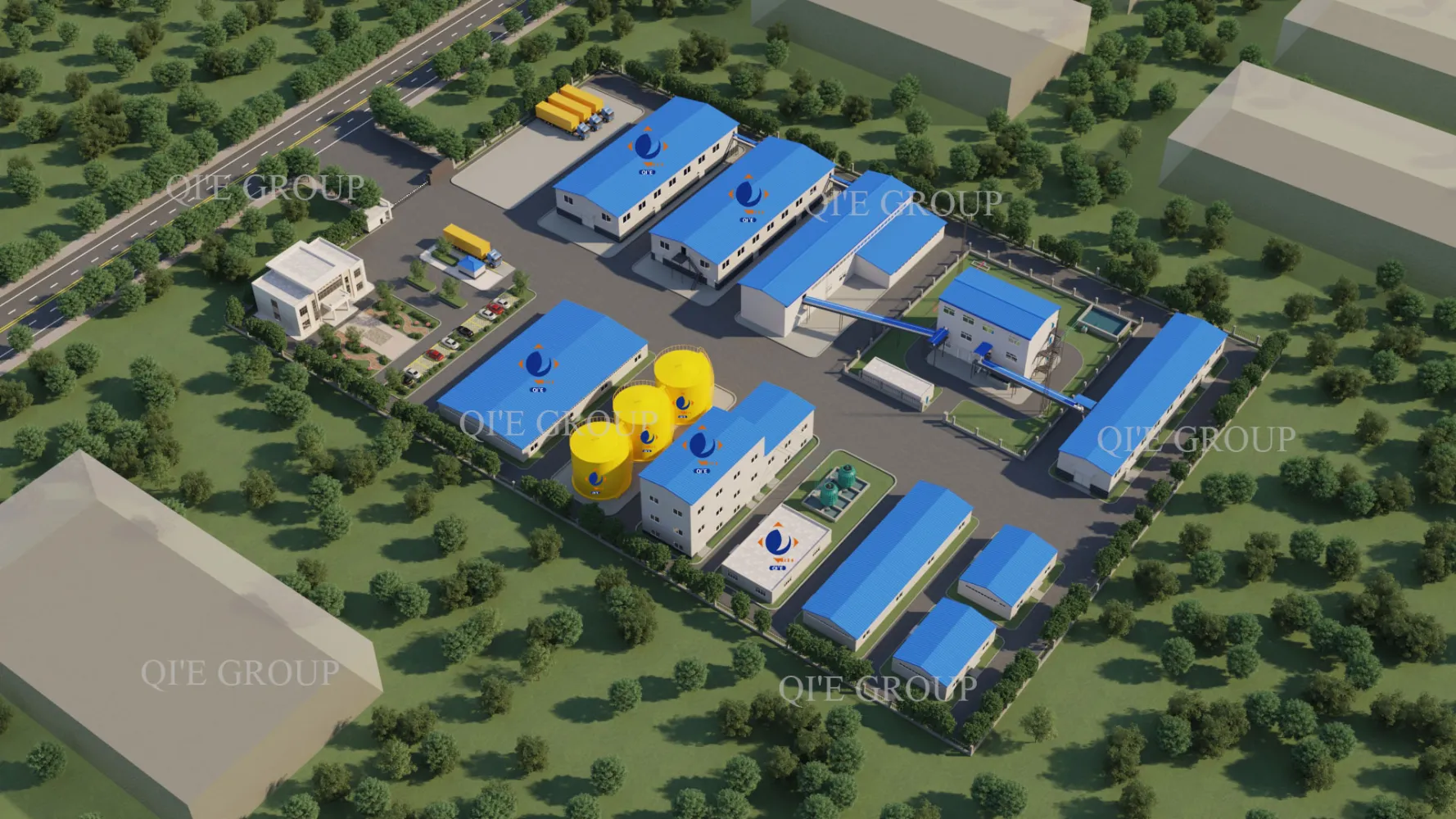
Comparison of palm oil refining equipment configurations for different production capacities showing footprint and component differences

Operational Excellence and Maintenance Considerations

Beyond initial equipment selection, long-term operational efficiency depends on proper maintenance protocols and process optimization. Regular maintenance can extend equipment lifespan by 30-40% and reduce unplanned downtime by up to 50%.

Critical Maintenance Practices:

  • Vacuum system inspection and seal replacement every 6-12 months
  • Heat exchanger cleaning every 3 months to maintain thermal efficiency
  • Control system calibration quarterly for precision operation
  • Regular analysis of deodorized oil quality to fine-tune process parameters

Many producers underestimate the importance of operator training. A well-trained team can improve process efficiency by 15-20% and significantly reduce waste and rework.

Ready to Optimize Your Palm Oil Refining Process?

Penguin Group offers customized palm oil refining solutions tailored to your specific capacity requirements and quality goals. Our engineering team combines decades of experience with advanced technology to deliver systems that maximize both product quality and operational efficiency.

Get Your Personalized Capacity Assessment

Have questions about specific capacity requirements or technical challenges in your palm oil refining process? Our technical consultants are available for virtual or on-site consultations to help you make informed decisions that align with your business objectives.

Name *
Email *
Message*

Recommended Products

Popular articles
Recommended Reading

Related Reading

Contact us
Contact us
img
https://shmuker.oss-cn-hangzhou.aliyuncs.com/tmp/temporary/60ec5bd7f8d5a86c84ef79f2/60ec5bdcf8d5a86c84ef7a9a/thumb-prev.png