
Selecting the right palm oil refining equipment with deodorization capabilities is a critical decision that directly impacts your production efficiency, product quality, and return on investment. Whether you're establishing a new facility or upgrading an existing plant, understanding how to match equipment configuration with your specific capacity needs (ranging from 1 to 500 tons per day) can mean the difference between operational success and costly inefficiencies.
Many palm oil processors face significant challenges due to improperly sized refining systems. A plant designed for 50 TPD forced to operate at 80 TPD will experience increased downtime, higher maintenance costs, and inconsistent product quality. Conversely, investing in a 300 TPD system when your actual需求 is 100 TPD ties up capital unnecessarily and increases energy consumption by up to 35% due to inefficient operation.
According to industry data, approximately 42% of palm oil processing facilities operate with mismatched equipment capacity, resulting in an average efficiency loss of 23% and 18% higher operational costs compared to properly sized plants.
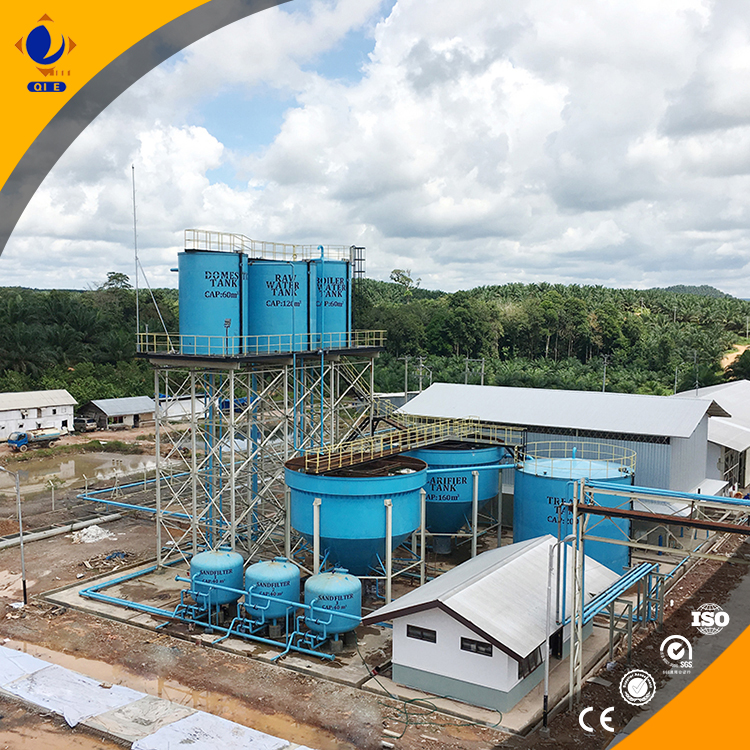
For facilities processing 1-50 tons per day, modular design and space efficiency become primary considerations. Compact yet robust systems with semi-automatic controls offer the ideal balance between investment and performance. Key components include:
As production capacity increases to 50-200 TPD, continuous processing becomes more economically viable. These systems typically feature:
For industrial-scale production (200-500 TPD), fully automated, high-capacity systems deliver optimal economies of scale. These installations include:
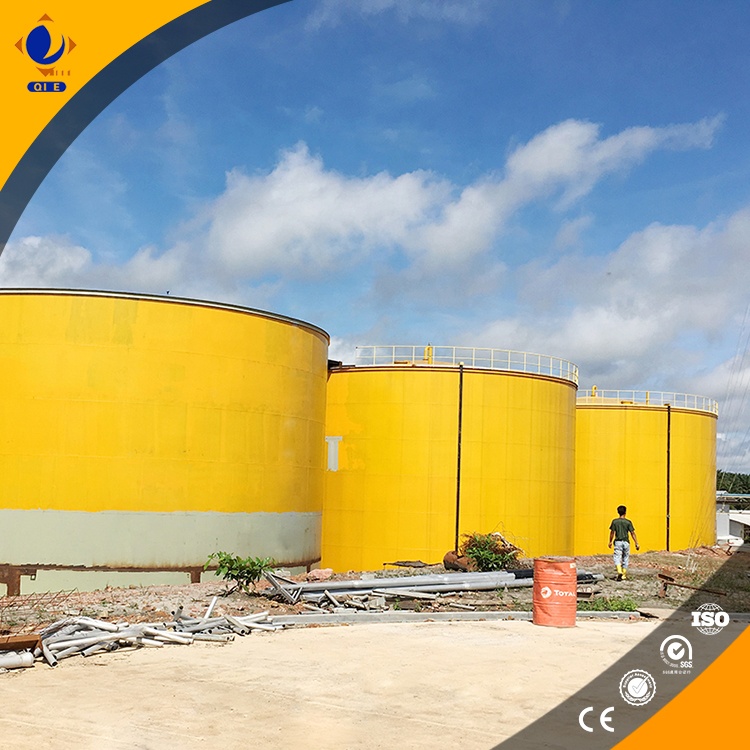
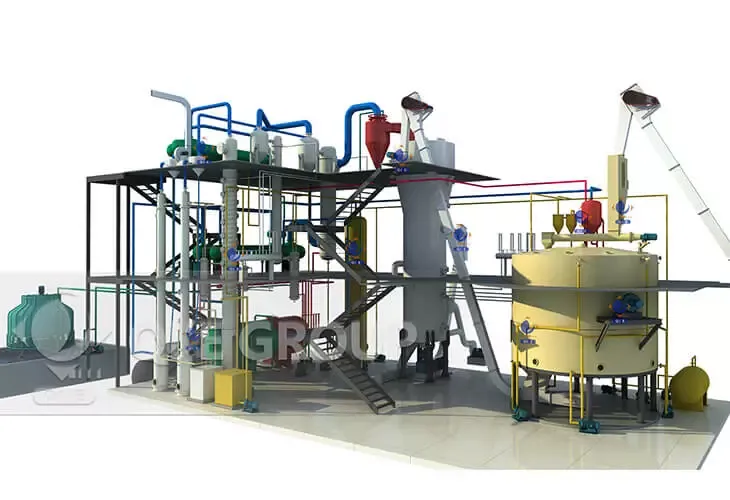
Deodorization represents the most energy-intensive stage of palm oil refining, responsible for removing free fatty acids and volatile compounds that affect taste and shelf life. For optimal results, modern systems incorporate:
Regardless of capacity, the integration of automatic temperature control systems ensures consistent product quality by maintaining precise process parameters within ±1°C. This level of control is particularly critical during deodorization, where temperature variations can significantly impact product color and free fatty acid levels.
Every palm oil processing facility operates under unique conditions—from raw material quality and available utilities to target market specifications. A one-size-fits-all approach rarely delivers optimal results. Instead, consider how custom engineering can address your specific challenges:
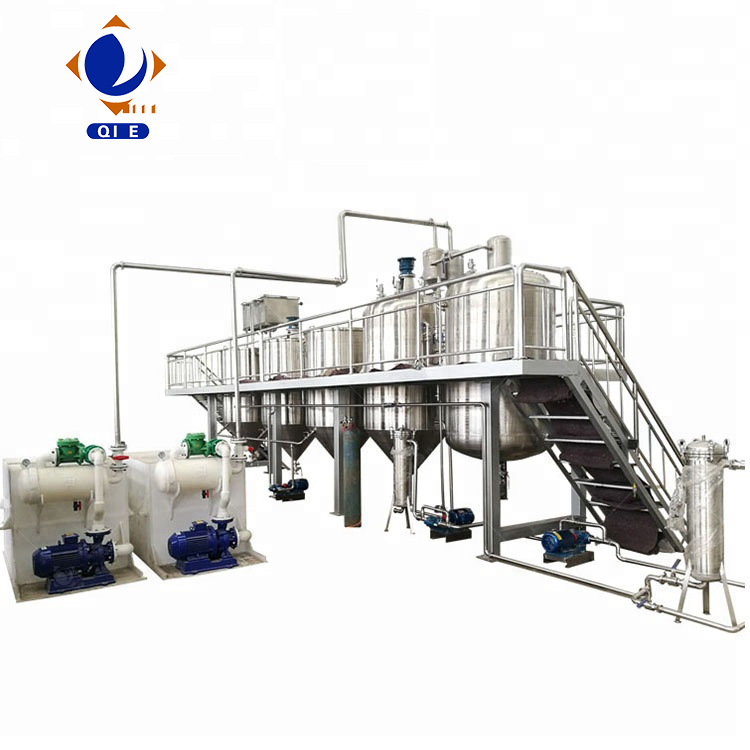
At 企鹅集团, we understand that your palm oil refining operation is unique. Our engineering team specializes in creating tailored solutions that balance current产能需求 with future growth potential, ensuring that your investment delivers maximum returns throughout the equipment lifecycle.
让每一步都精准匹配您的生产节奏。Our experts will analyze your specific requirements and design a customized palm oil refining solution that maximizes efficiency, minimizes waste, and ensures consistent product quality.
Get Your Custom 1-500 TPD Refining ProposalOur team will contact you within 24 hours to discuss your project requirements
When evaluating potential suppliers, consider not just the initial equipment cost but the long-term value of reliable performance, technical support, and after-sales service. A well-designed refining system should operate efficiently for 15-20 years with proper maintenance, making supplier expertise and commitment to ongoing support critical factors in your decision-making process.
By carefully assessing your current and future产能需求, understanding the technical requirements of each process stage, and partnering with an experienced equipment provider like 企鹅集团, you can establish a palm oil refining operation that delivers consistent quality while maximizing your return on investment.