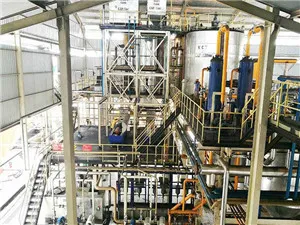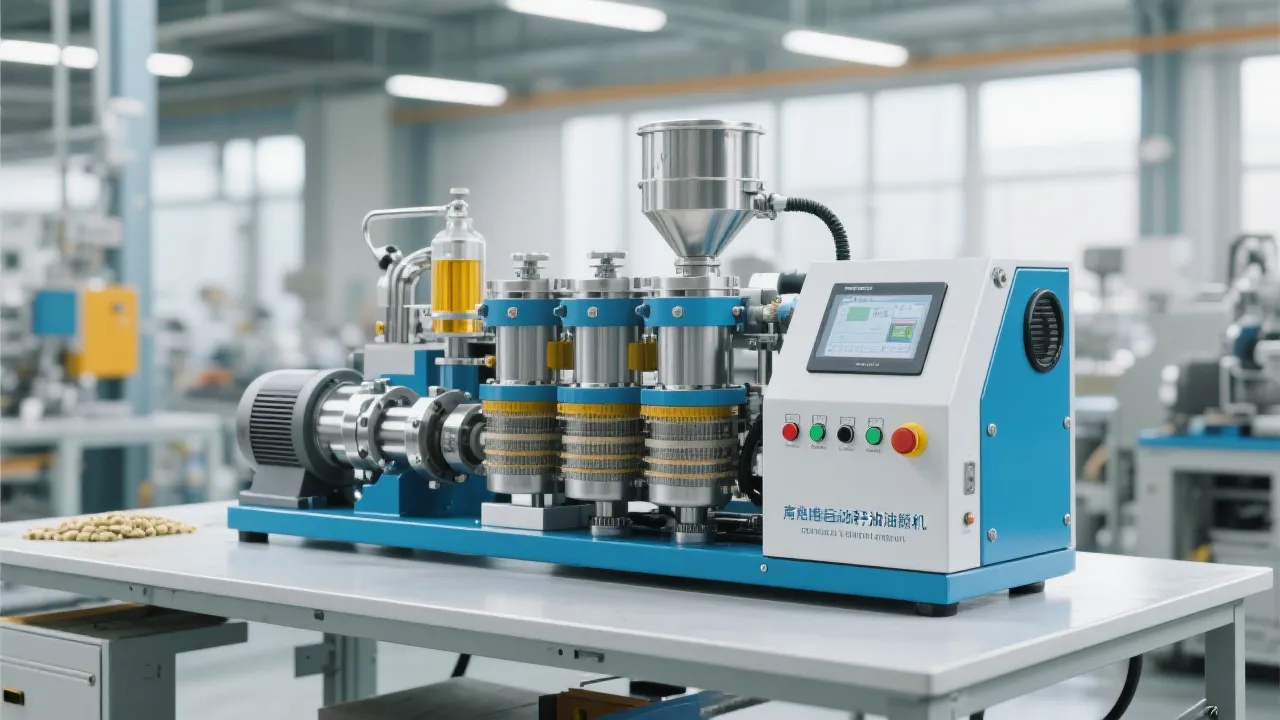

Industry Challenge: Are you struggling with palm oil quality issues like persistent off-flavors, wax deposits, or poor oxidative stability that compromise your end product quality and market competitiveness?
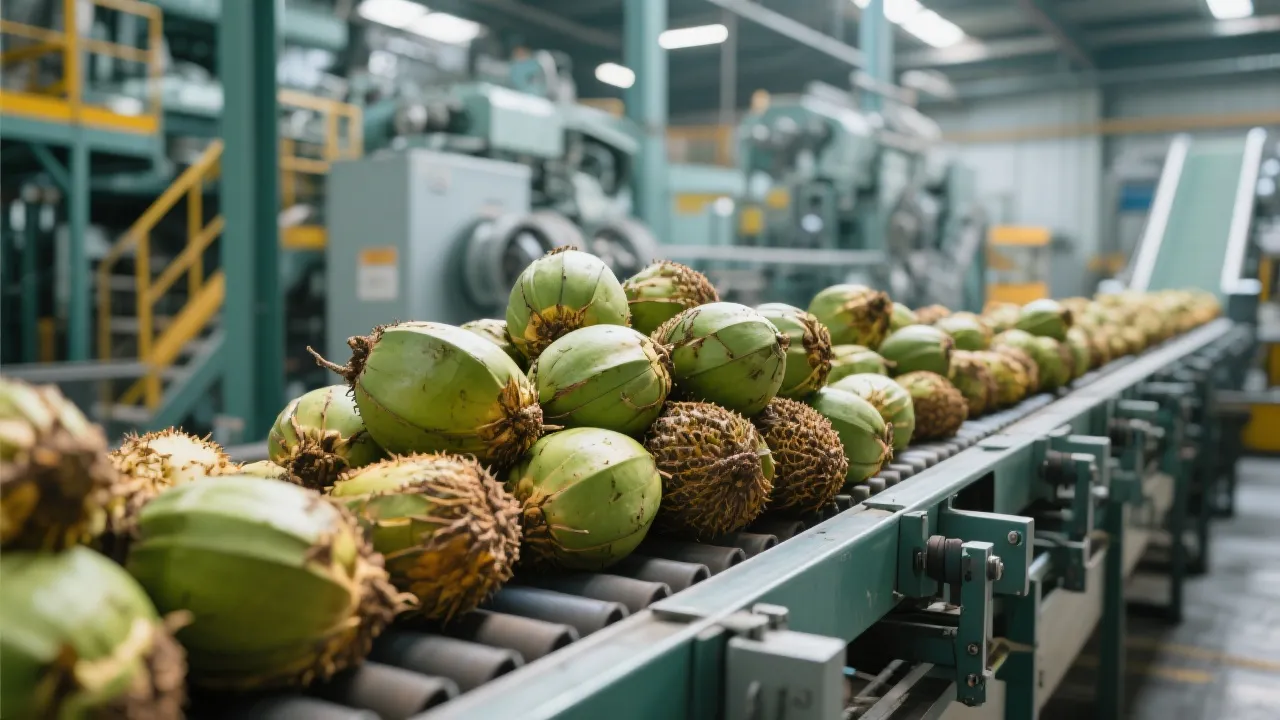
Palm oil stands as one of the most versatile and widely consumed vegetable oils globally, with applications ranging from food manufacturing to biofuel production. However, crude palm oil straight from the mill contains various impurities that affect its color, flavor, shelf life, and functionality. The refining process is not merely a luxury but a necessity to meet international quality standards and consumer expectations.
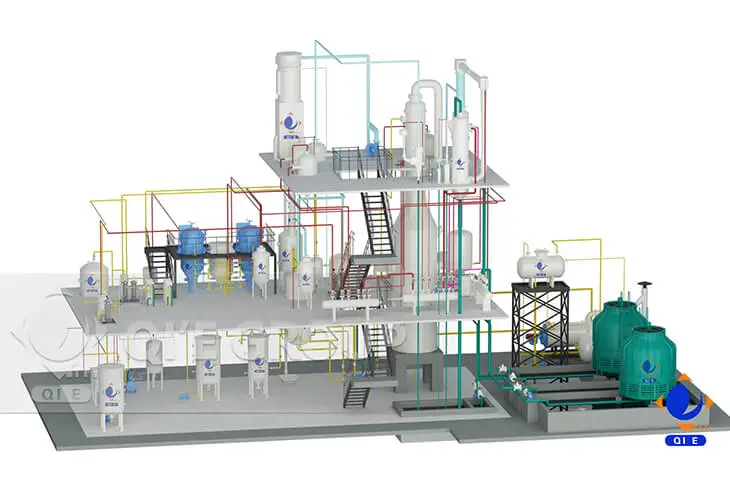
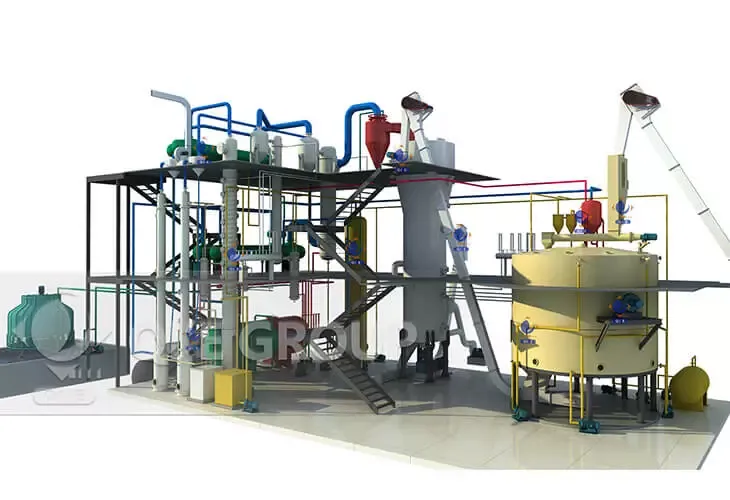
The initial refining stage targets phospholipids (gums) that can cause cloudiness and reduce stability. Through controlled water addition (typically 2-5% of oil weight) and gentle agitation at 60-80°C, these hydrophilic impurities form a separable sludge. Modern continuous degumming systems achieve over 95% gum removal efficiency, significantly reducing downstream processing challenges.
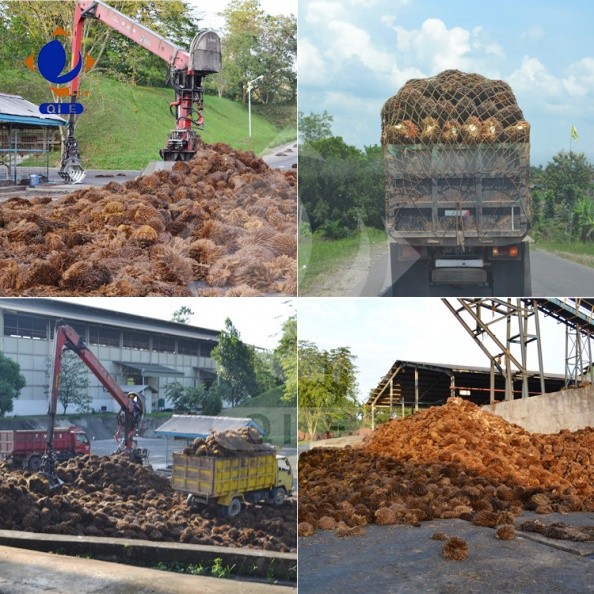
Free fatty acids (FFAs) are neutralized using food-grade caustic soda (NaOH) in a carefully controlled reaction. The resulting soapstock is removed via centrifugation, reducing FFA levels to industry-standard 0.05-0.15%. Precision in this stage is critical—over-alkalization can lead to oil loss, while under-treatment leaves residual acidity that affects flavor and stability.
Activated bleaching clays (typically 1-3% by weight) adsorb carotenoids, chlorophyll, and other pigments at 90-110°C under vacuum conditions. The selection of bleaching earth type and dosage directly impacts both color reduction and oil yield. Advanced systems incorporate pressure leaf filters that minimize oil retention, achieving up to 98% clay separation efficiency.
Maintaining vacuum levels below 50 mbar during bleaching prevents oxidation and ensures optimal clay activity. This controlled environment typically improves color reduction efficiency by 20-30% compared to atmospheric processing, while preserving the oil's natural tocopherols.
Arguably the most critical stage for flavor and shelf life, deodorization uses high-temperature vacuum distillation (220-260°C under 0.5-2 mbar pressure) to strip volatile off-flavor compounds and remaining FFAs. This process not only eliminates undesirable odors but also reduces oxidation precursors, extending product shelf life by 30-40% compared to unrefined oil.
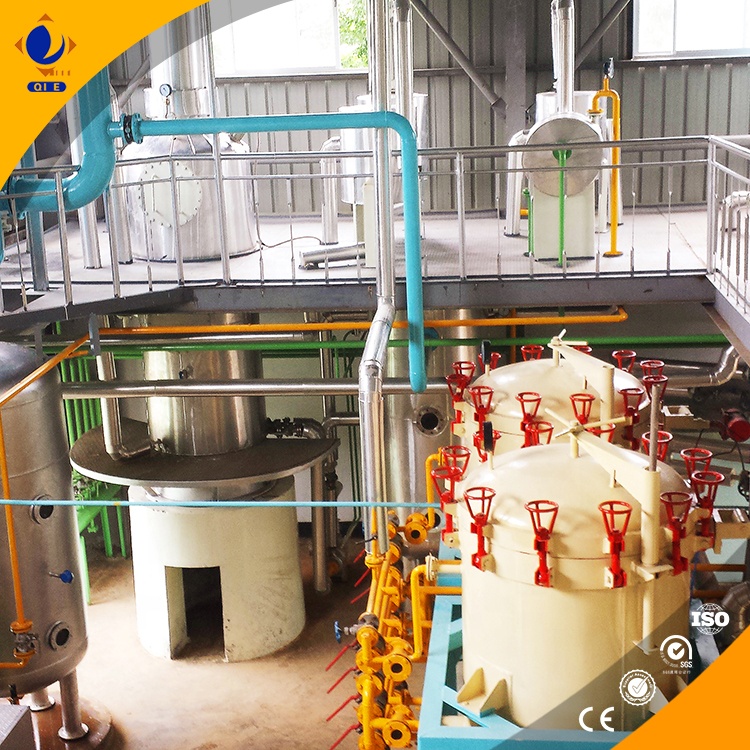
Palm oil's unique triglyceride composition requires controlled cooling (20-30°C) to crystallize and separate stearin fractions from olein. This fractionation process allows producers to create products with specific melting profiles tailored to different applications—from cooking oils to margarine. Selective dewaxing further removes wax esters, ensuring clarity at refrigeration temperatures.
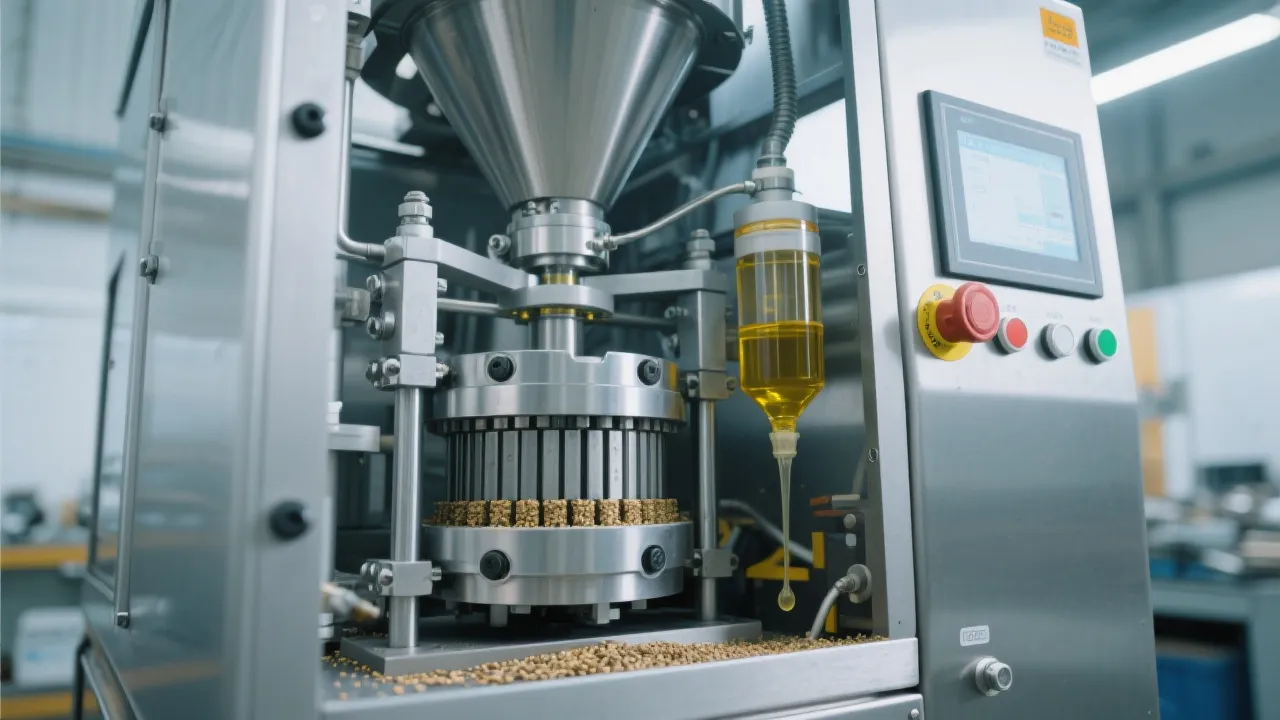
Modern palm oil refining lines leverage advanced process automation to maintain consistent quality while maximizing efficiency. PLC-based control systems with real-time monitoring of critical parameters (temperature, pressure, flow rates) reduce human error and ensure each batch meets exact specifications. This level of control typically improves process yield by 2-3% while reducing energy consumption by up to 15% compared to manual operations.
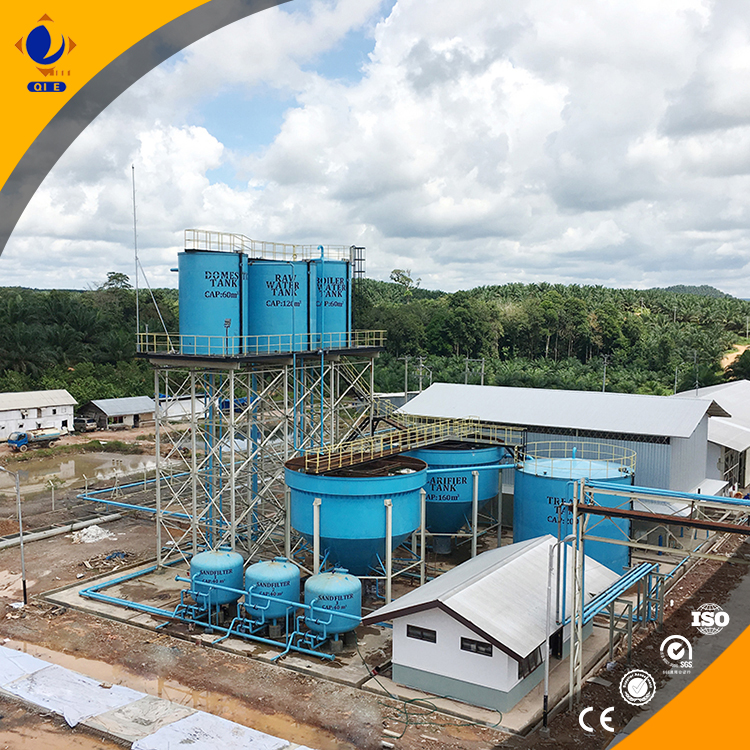
Discover how Penguin Group's custom-designed refining solutions can help you achieve consistent quality, maximize yields, and meet the most stringent international standards.
Explore Custom Refining SolutionsLeading edible oil producers worldwide have demonstrated that implementing optimized refining processes directly translates to market advantages. From small-scale operations to industrial facilities processing 500+ tons per day, the fundamental principles remain consistent—precision, control, and attention to detail at every stage.
As consumer demand for high-quality, stable palm oil continues to grow across food manufacturing, cosmetics, and biofuel sectors, investing in proven refining technology becomes not just a business decision but a strategic imperative for long-term success in competitive global markets.