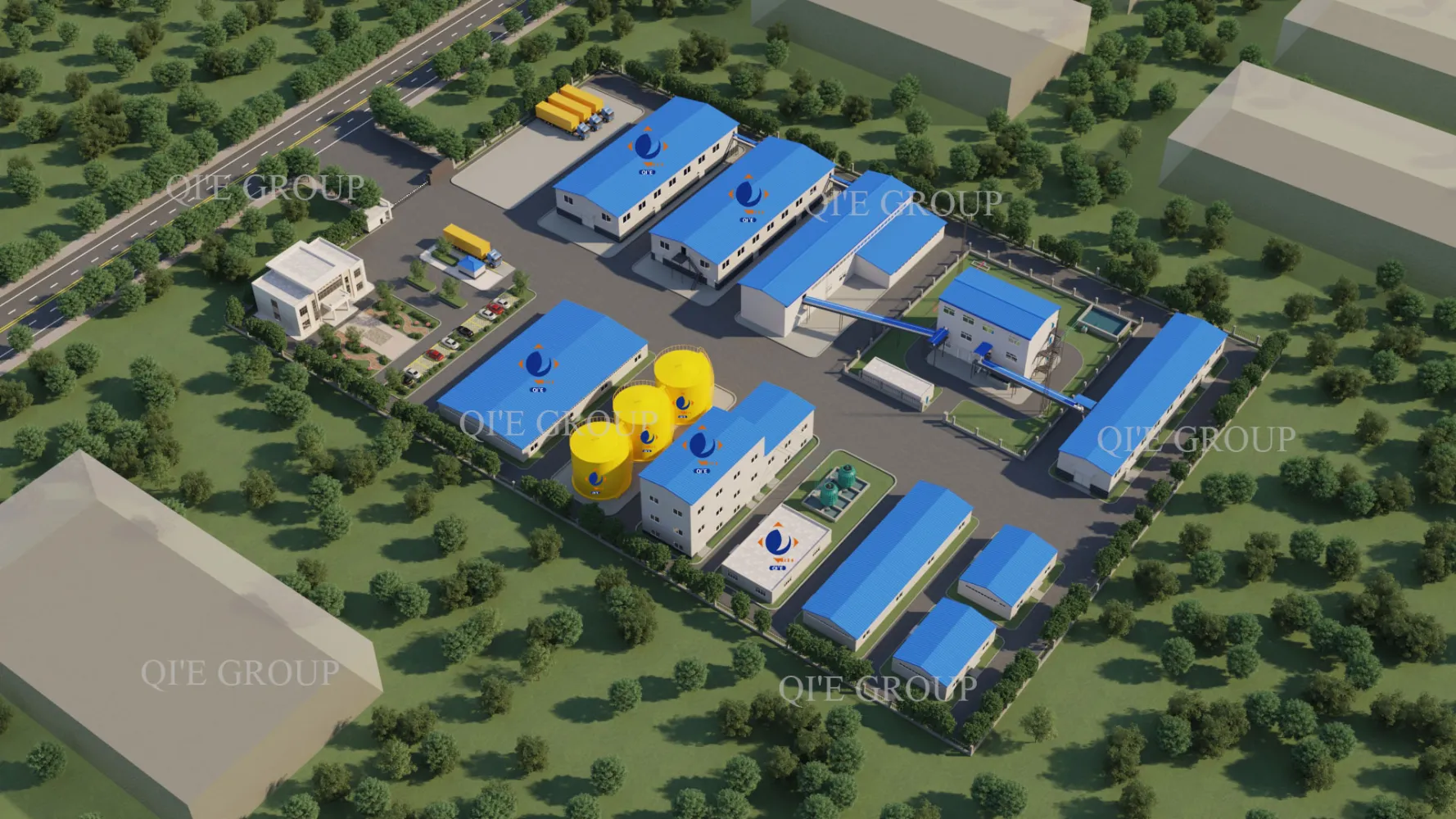


1. Processing Capacity
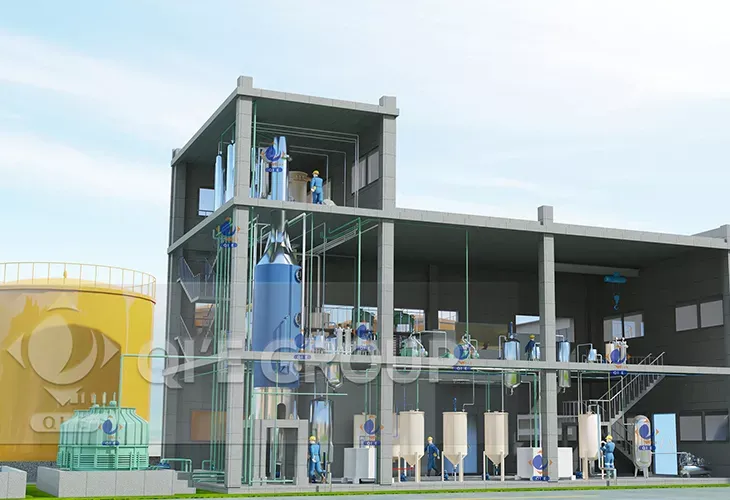
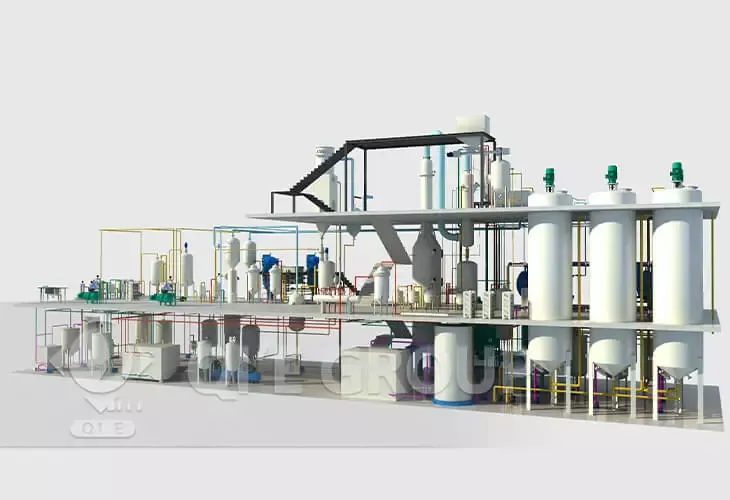
QI'E oil solvent extraction solutions cover projects from 30 to 5,000 tons per day. Capacity should reflect available raw material, operating schedule, expansion plans, storage, utilities, and downstream refining requirements.
Palm Oil Solvent Extraction Equipment Selection
Selecting solvent extraction equipment for a palm oil or palm kernel processing project requires more than comparing equipment prices. The process configuration should match the raw material, target capacity, oil quality requirements, operating conditions, environmental obligations, and long-term maintenance plan. Qi'e Grain and Oil Machinery Co., Ltd. (QI'E Group) provides customized oil solvent extraction solutions for palm oil, palm kernel, and other oilseed processing projects, with stated processing capacities from 30 tons per day to 5,000 tons per day.
Palm oil and palm kernel materials have different physical and chemical characteristics, so the equipment selection should begin with a clear definition of the feedstock. Important factors include moisture, impurities, oil content, particle size, conditioning requirements, and the form in which the material enters the extraction line.
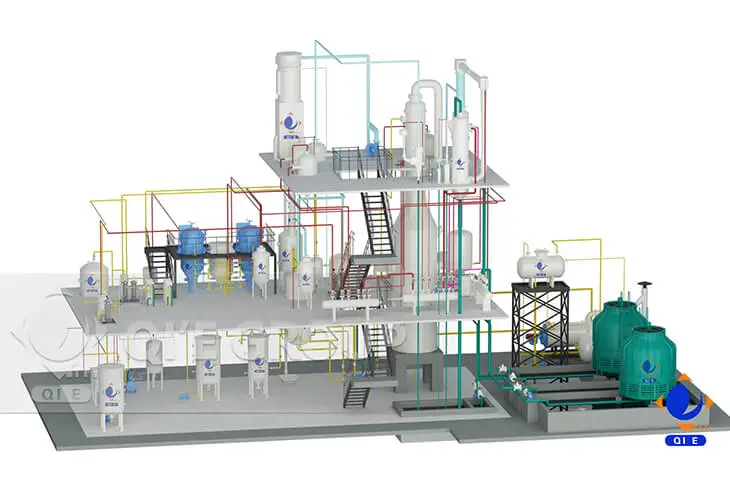
For a complete project, solvent extraction may be integrated with pretreatment, mechanical pressing, extraction, desolventizing, solvent recovery, and refining. The final arrangement should be confirmed through raw material testing, process validation, and engineering review rather than selected from capacity alone.
QI'E oil solvent extraction solutions cover projects from 30 to 5,000 tons per day. Capacity should reflect available raw material, operating schedule, expansion plans, storage, utilities, and downstream refining requirements.
The process uses solvent wetting, penetration, molecular diffusion, and convective mass transfer to support oil extraction. Performance should be evaluated together with residual oil, oil quality, solvent consumption, and operating stability.
A complete desolventizing and recovery arrangement is essential for controlling solvent in the extracted meal and supporting safe, consistent operation.
The plant should include appropriate measures for solvent handling, gas emission control, ventilation, equipment safety, and compliance with applicable local environmental and safety requirements.
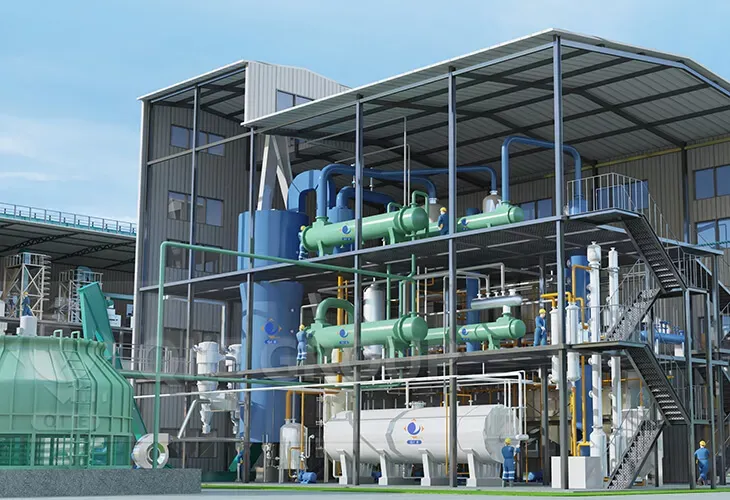
The DTDC system—desolventizer, toaster, dryer, and cooler—is designed to support the removal of solvent from wet meal during toasting, drying, and cooling. When evaluating palm oil solvent extraction equipment, buyers should review how the DTDC system connects with the extractor, meal handling section, heat supply, cooling section, and control strategy.
Selection point: Desolventizing performance should be assessed as part of the complete process line. It should not be considered as an isolated machine specification, because process conditions, material characteristics, residence time, heating, drying, and cooling all influence final performance.
Solvent recovery is a central consideration in an oil extraction plant. QI'E equipment is designed to recover n-hexane evaporated from relevant process sections through condenser-based recovery arrangements. This can help reduce solvent losses, energy consumption, and operating costs when the system is correctly configured and operated.
Actual solvent recovery performance and residue levels depend on raw material properties, process design, operating parameters, equipment condition, and local compliance requirements. These points should be validated during engineering review.
| Evaluation area | Questions to confirm |
|---|---|
| Raw material | Is the feedstock palm oil material, palm kernel, or another oilseed? What are its moisture, impurity, and oil-content characteristics? |
| Capacity | Does the planned throughput match current supply, future expansion, storage, utilities, and downstream processing? |
| Process integration | Are pretreatment, pressing, extraction, DTDC desolventizing, solvent recovery, and refining requirements clearly defined? |
| Environmental performance | How will solvent vapors and other process emissions be collected, recovered, monitored, and managed? |
| Lifecycle cost | What are the expected requirements for energy, solvent, labor, spare parts, maintenance, training, and technical support? |
| Compliance and safety | Has the design been reviewed against the project location’s environmental, fire, process safety, and operating requirements? |
Qi'e Grain and Oil Machinery Co., Ltd. specializes in the research, manufacturing, sales, and service of grain and oil machinery. Its product scope includes oil pressing equipment, oil production line equipment, and edible oil refining equipment. For solvent extraction projects, QI'E can support customized large-scale oil processing solutions covering extraction and related process sections.
The company’s approach is based on technology innovation, quality-oriented manufacturing, and service support. In addition to equipment, project cooperation can include process design, installation guidance, and technical service. Final equipment selection should be based on the customer’s raw material, production objectives, site conditions, and applicable environmental and safety standards.
A reliable equipment recommendation starts with reliable project information. Share the intended raw material, required capacity, target products, site location, utilities, and existing process equipment with QI'E Group. The engineering team can then review process compatibility, DTDC desolventizing, n-hexane recovery, emissions control, safety considerations, and lifecycle cost before a final plant configuration is proposed.