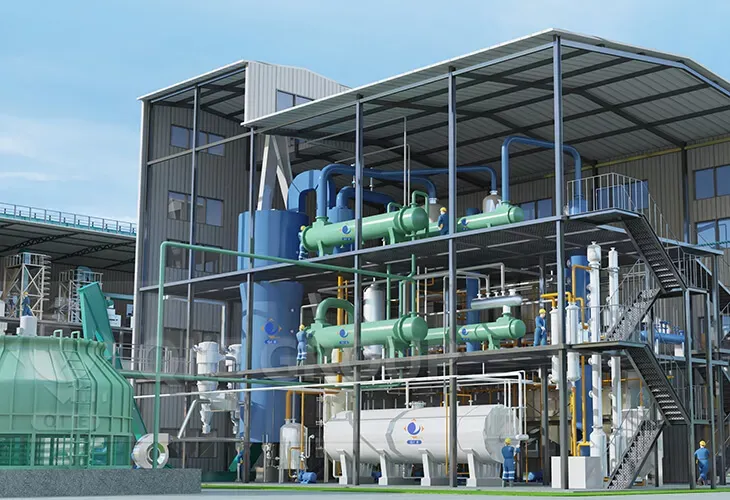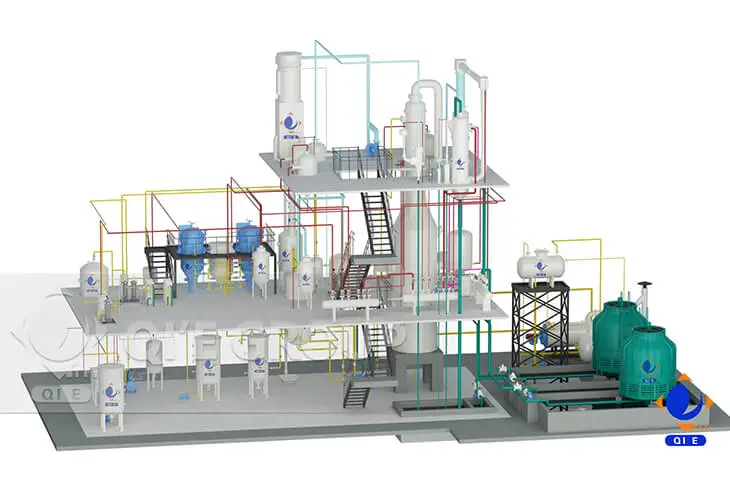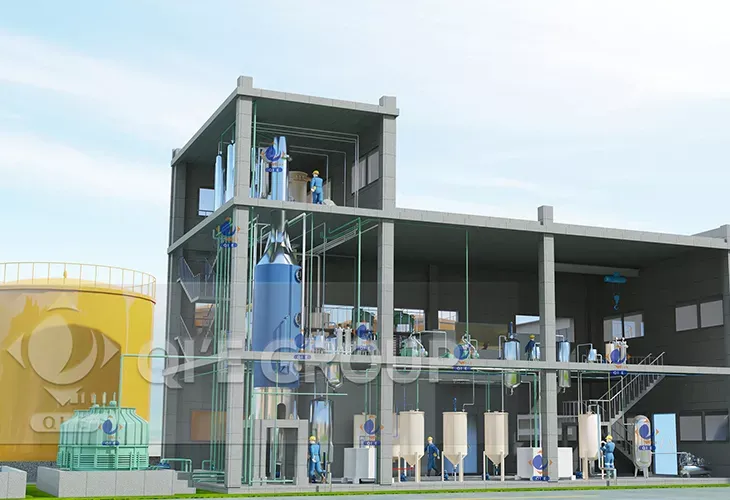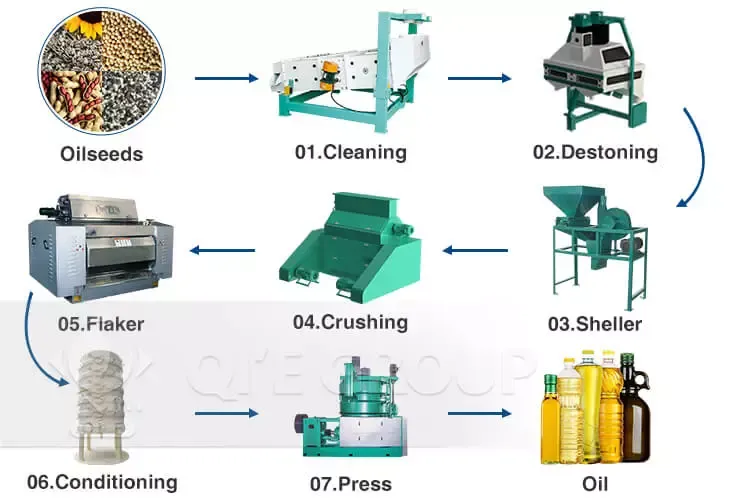
If your peanut oil is cloudy at low temperatures or fails quality standards due to high wax content, you’re not alone. Many small and mid-sized edible oil producers face this challenge—especially when processing high-erucic-acid peanuts or scaling up production. The key lies in selecting the right de-waxing method. Let’s break down two proven approaches: solvent-based and conventional (cooling-crystallization).
Conventional methods rely on slow cooling and filtration under controlled temperature gradients—typically from 35°C down to 5–10°C over 4–8 hours. This process is simple but energy-intensive: average electric consumption ranges between 1.2–1.8 kWh/kg of oil processed. In contrast, solvent-assisted de-waxing uses hexane or ethanol to dissolve wax molecules selectively at lower temperatures, reducing thermal load significantly.
Engineering Data Insight:
| Parameter | Conventional Method | Solvent Method |
|---|---|---|
| Energy Consumption (kWh/kg) | 1.2 – 1.8 | 0.6 – 0.9 |
| Wax Recovery Rate (%) | 75 – 85% | 88 – 94% |
| Initial Equipment Cost ($/ton/day) | $8,000 – $15,000 | $18,000 – $35,000 |
For a 20-ton/day facility, switching from conventional to solvent-based de-waxing can reduce annual electricity costs by approximately $45,000–$70,000, assuming 300 operating days per year. That’s a clear ROI within 12–18 months if energy prices remain stable.
If you’re producing 5–20 tons/day with variable raw material quality (e.g., mixed peanut batches), solvent-based systems offer better consistency and higher yield. For example, one Indian processor using solvent de-waxing saw wax recovery jump from 78% to 92%, while maintaining cold stability below -5°C—a critical spec for export markets like Europe and Japan.
On the other hand, if your budget is tight (<$15K) and you have consistent feedstock (like premium-grade peanuts), conventional cooling tanks may suffice. Just ensure precise control of temperature gradients: too fast = poor crystal formation; too slow = excessive energy use.
Whether you're a plant manager optimizing throughput, a technical lead evaluating new equipment, or a procurement officer comparing vendor proposals—knowing these differences helps avoid costly missteps.
Download our free PDF guide: “De-Waxing Decision Matrix for Small-Scale Peanut Oil Producers” — includes a step-by-step checklist tailored to your capacity, raw material type, and energy constraints.
Get Your Free Guide Now