In the competitive plant oil processing industry, selecting the right dewaxing strategy for oils like palm and peanut oil can drastically impact product quality, yield, and operational efficiency. Manufacturers—especially those running small to medium-sized plants—often face uncertainty between conventional, solvent-based, surfactant-assisted, and combined low-temperature crystallization techniques. This article offers an in-depth, data-driven analysis designed to clarify these choices and empower informed decision-making.
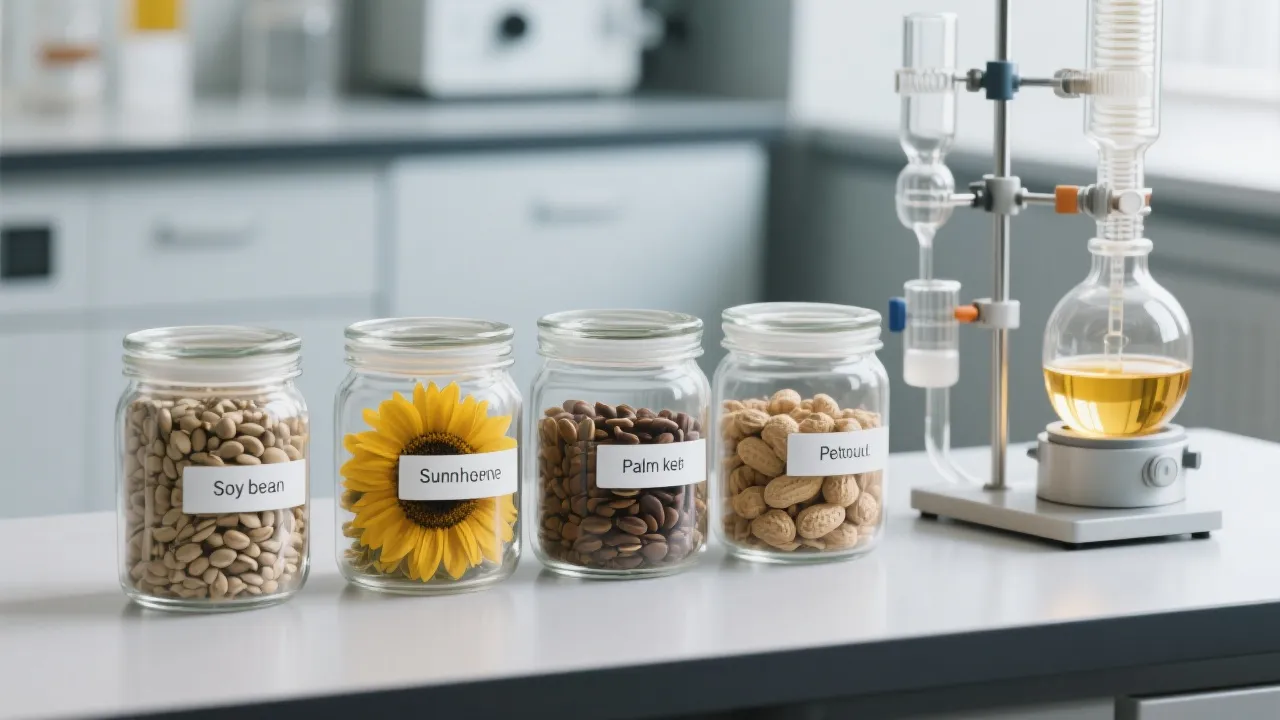
Palm and peanut oils differ significantly in wax composition, melting points, and oil matrix, necessitating specialized dewaxing methods. Inappropriate dewaxing risks product opacity, filtration difficulties, or economic losses from excessive oil retention in wax byproducts. Understanding these nuances is the foundation for optimizing dewaxing performance and end-product clarity.
| Criteria | Conventional | Solvent | Surfactant | Combined |
|---|---|---|---|---|
| Energy Consumption (kWh/ton) | 150 - 200 | 250 - 300 | 120 - 160 | 180 - 220 |
| Wax Recovery Rate (%) | 60 - 70 | 80 - 85 | 75 - 80 | 85 - 90 |
| Investment Cost (USD 1000s) | 50 - 80 | 120 - 180 | 70 - 100 | 150 - 220 |
| Environmental Impact | Low | High (solvent emissions) | Moderate | Moderate |
Palm oil’s higher wax melting point (~35-40°C) favors solvent and combined methods to achieve superior wax crystallization and filtration. Peanut oil, with a lower wax melting point (~25-30°C), responds effectively to conventional and surfactant-assisted techniques, offering balanced cost-efficiency and product clarity. Tailoring process parameters like cooling rates and surfactant dosage is critical for optimal results.

SMEs should focus on solutions that minimize capital expenditure without compromising dewaxing yield or product consistency. Conventional systems, while simpler, improve with automation to reduce labor intensity. Surfactant-assisted setups require basic chemical dosing systems but lower energy input. Solvent-based installations, although more effective, demand strict safety protocols and solvent recovery units—often less feasible for smaller setups.
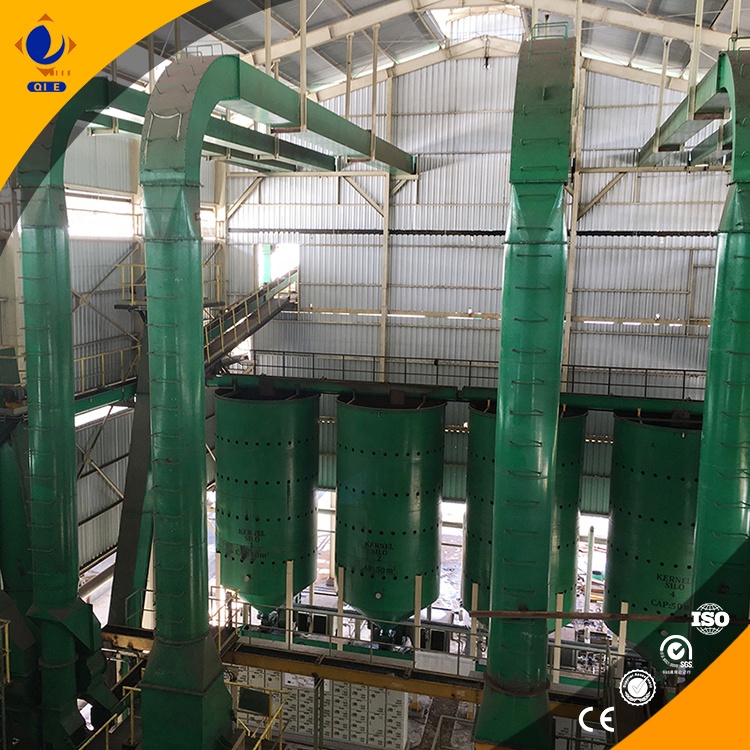
Case studies from mid-sized facilities processing palm oil revealed a 15% increase in wax recovery and a 10% energy reduction after switching to combined solvent-surfactant dewaxing technology. In contrast, peanut oil processors implementing surfactant-assisted crystallization reported improved filtration times by 20% and oil transparency enhancement valued by end customers.
“Adopting the surfactant approach allowed us to halve our downtime during dewaxing seasons while elevating the clarity to new quality standards.” – Quality Manager, Peanut Oil Processor





 <#else>