
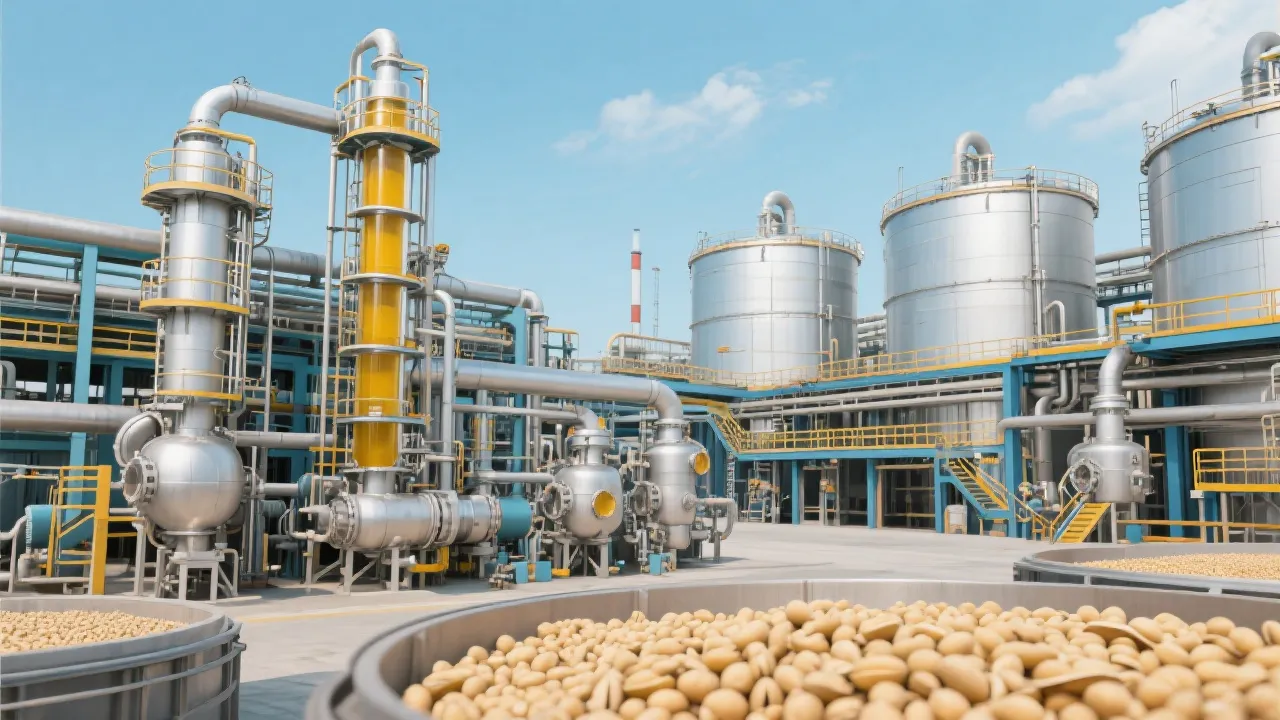
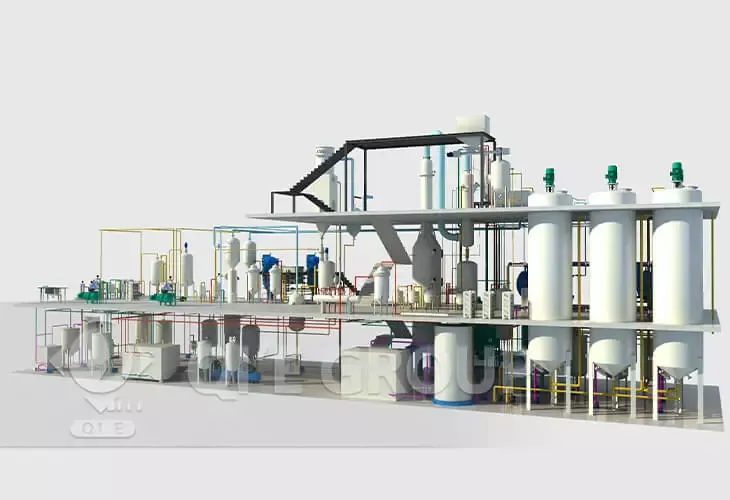
In the realm of edible oil refining, the degumming process stands as the cornerstone of the entire refining line. It's not just about removing impurities; it's the fundamental step that ensures the smooth and efficient operation of subsequent processes. This guide aims to provide you, whether you're a technical engineer or a factory manager, with practical insights and solutions to optimize the degumming process and enhance the reliability of your refining equipment.
Degumming is the first critical process in edible oil refining. It directly impacts the efficiency of subsequent neutralization, bleaching, and deodorization steps. By removing phospholipids and other impurities from crude oil, degumming lays the foundation for high - quality refined oil production. For instance, a well - executed degumming process can reduce the consumption of bleaching agents in the subsequent bleaching step by up to 30%, according to industry data.
Let's take a look at some real - world degumming failure cases. When phospholipids are not completely removed, it can lead to a significant increase in the consumption of bleaching agents. In one case, a factory saw a 50% increase in bleaching agent usage due to incomplete degumming. Moreover, residual moisture in the oil after degumming can cause waste of steam during the deodorization process. These issues not only increase production costs but also affect the overall efficiency of the refining line.
There are two main degumming methods: the hydration method and the acid method. Each method has different principles and requirements for equipment selection and operating parameters. The following table compares the advantages and disadvantages of these two methods:
| Degumming Method | Advantages | Disadvantages |
|---|---|---|
| Hydration Method | Simple operation, low cost | Less effective for removing non - hydratable phospholipids |
| Acid Method | High efficiency in removing phospholipids, suitable for various types of crude oil | Requires more complex equipment and higher operating costs |
Key control points such as temperature, stirring intensity, and moisture content play a crucial role in both methods. For example, in the hydration method, the optimal temperature is usually between 60 - 70°C, while in the acid method, it may be slightly higher.
To address the issues in the degumming process, we propose the following systematic improvement strategies:
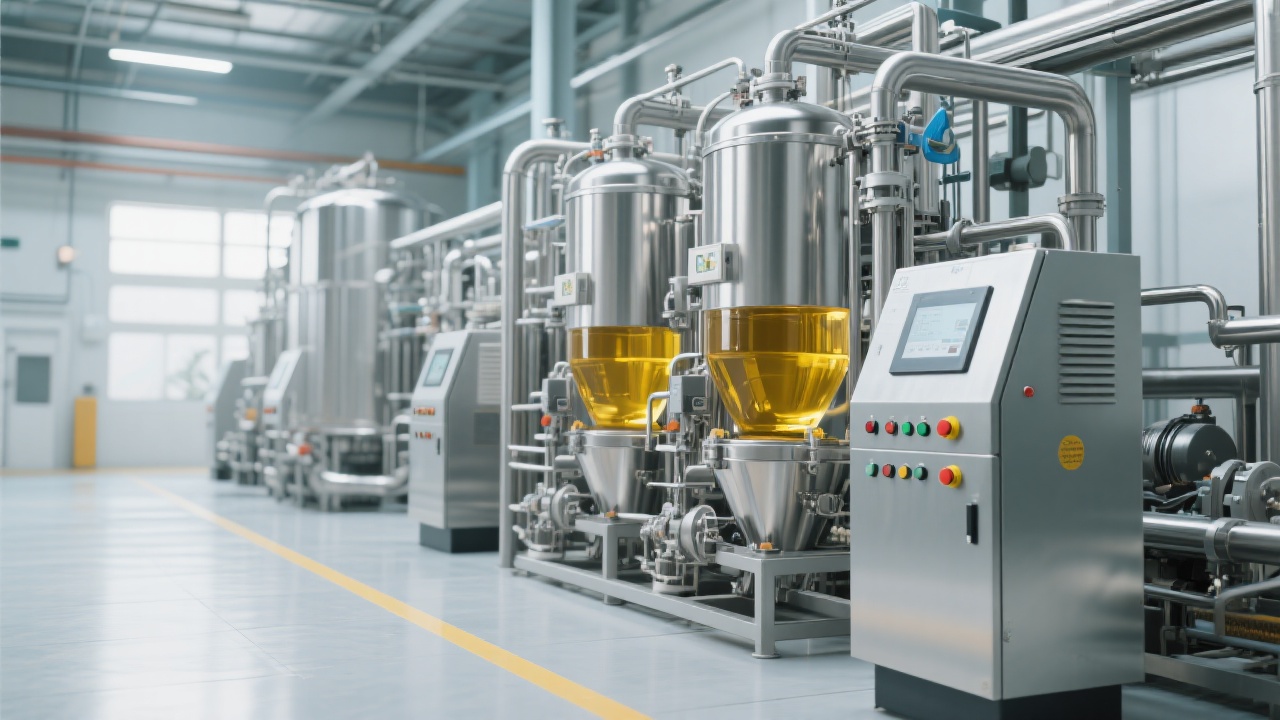
The future of edible oil refining lies in data - driven maintenance. By collecting and analyzing data from the degumming process, such as temperature, pressure, and chemical consumption, factories can predict equipment failures in advance and optimize the refining process. This shift from experience - based management to intelligent refining can help factories achieve stable production, reduce energy consumption, and extend the service life of equipment.
In conclusion, optimizing the degumming process is essential for the efficient operation of your edible oil refining line. By following the strategies outlined in this guide, you can ensure stable production, reduce energy consumption, and extend the life of your equipment. Let every drop of oil start pure from the source. Say goodbye to scaling troubles and start with precise degumming. If you want to learn more about how to optimize your degumming process and enhance the reliability of your refining equipment, click here.


 <#else>