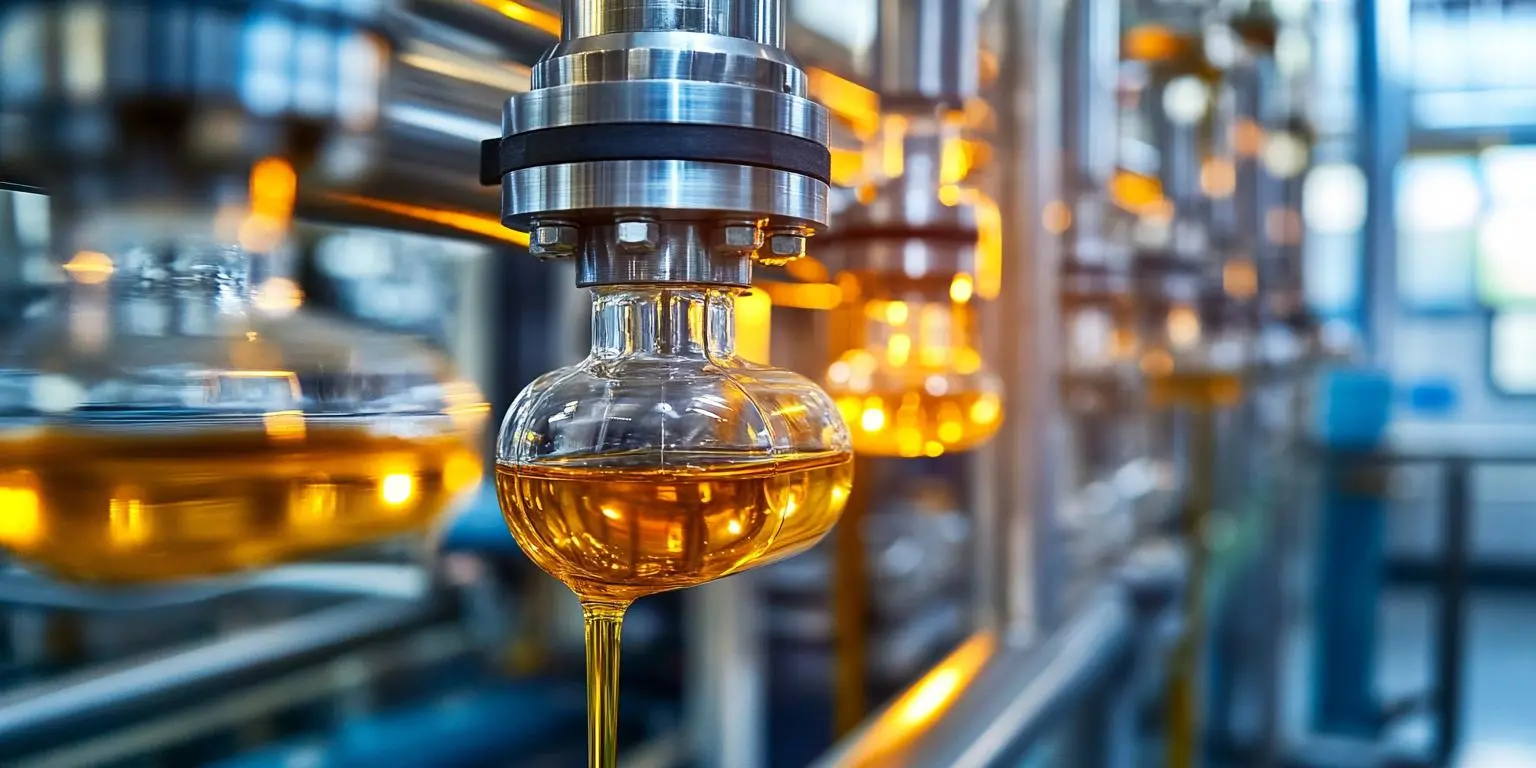
Degumming is a pivotal step in the entire edible oil refining line. It has a decisive impact on the stability of subsequent processes. For instance, if the degumming process is not well - controlled, it can lead to issues in bleaching and deodorization, affecting the overall quality of the refined oil. As per ISO 5555, proper degumming is essential for ensuring the consistency and quality of the final product.

There are four core variables in the degumming process that you need to master. Let's take a closer look:
| Core Variables | Impact |
|---|---|
| Moisture Addition | It significantly affects the hydration effect. An appropriate amount of water can help the phospholipids to hydrate and separate from the oil. |
| Temperature Fluctuation | Determines the efficiency of phospholipid aggregation. Generally, a temperature range of 60 - 80°C is optimal for most oils. |
| Stirring Intensity | Ensures the uniformity of the mixture. Insufficient stirring may result in uneven distribution of water and chemicals in the oil. |
| Settling Time | Decides the thoroughness of impurity separation. A longer settling time usually leads to better separation, but it also affects production efficiency. |
Have you ever wondered how to reduce human errors in the degumming process? By using real - world cases, we can show you how to establish a replicable SOP through data - driven methods. For example, a refinery was able to reduce the variation in oil quality by 30% after implementing a data - based SOP.
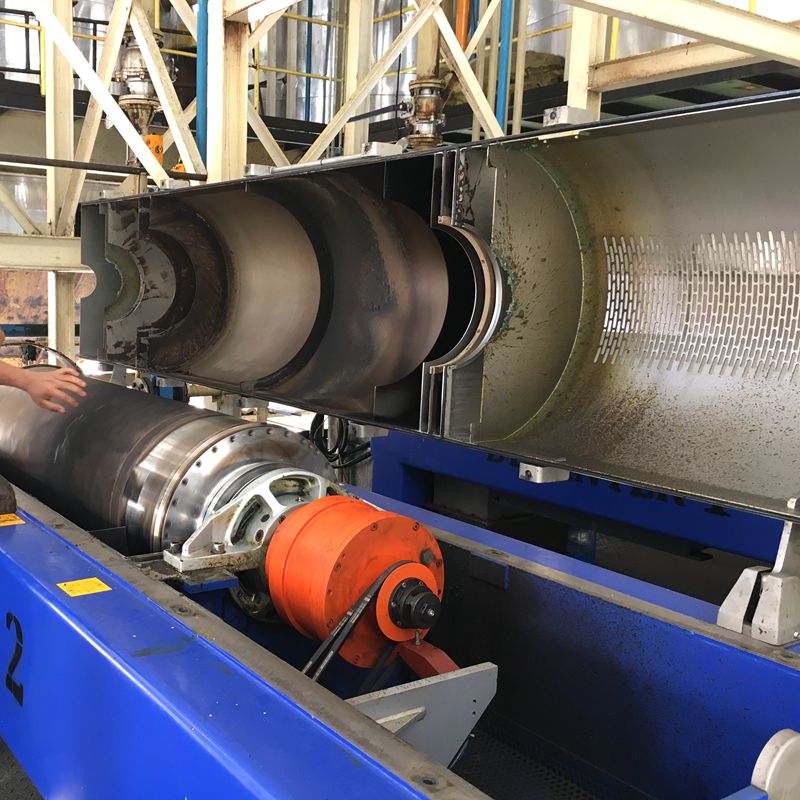
There are three common mistakes in degumming that you should be aware of. Firstly, misjudging the end - point of the process can lead to over - or under - degumming. Secondly, ignoring the differences in raw materials can cause inefficiencies. For example, high - phospholipid oils like sunflower oil require different degumming strategies. Thirdly, improper equipment selection can result in uneven mixing, as stated in GB/T 1534.
For different types of oils, especially high - phospholipid oils such as sunflower oil, customized degumming strategies are necessary. In addition, real - time conductivity monitoring can be used as an intelligent control method. This technology can help you adjust the process parameters in real - time, improving the quality and efficiency of degumming.
The future of the degumming process lies in automation and digitalization. Automated systems can precisely control the four core variables, reducing human errors and improving production efficiency. Digitalization can also enable real - time monitoring and adjustment of the process. If you are interested in upgrading your production line, this is the trend you should follow.
If you want to learn how our automatic temperature - controlled degumming system can help you achieve precise control, please contact us to get a customized technical solution.