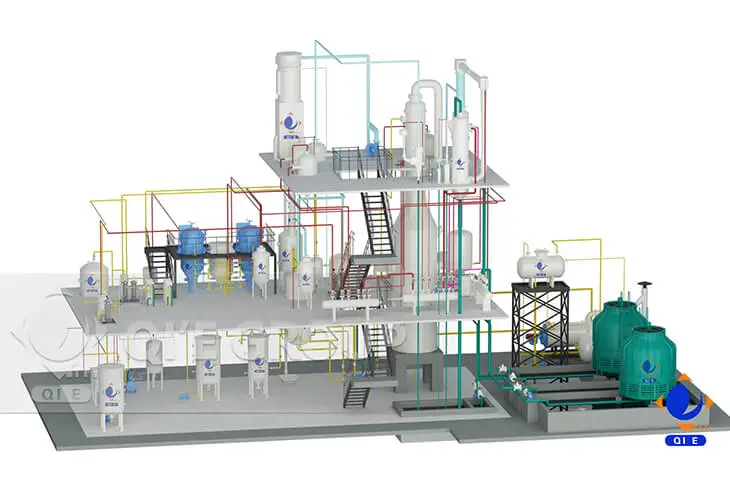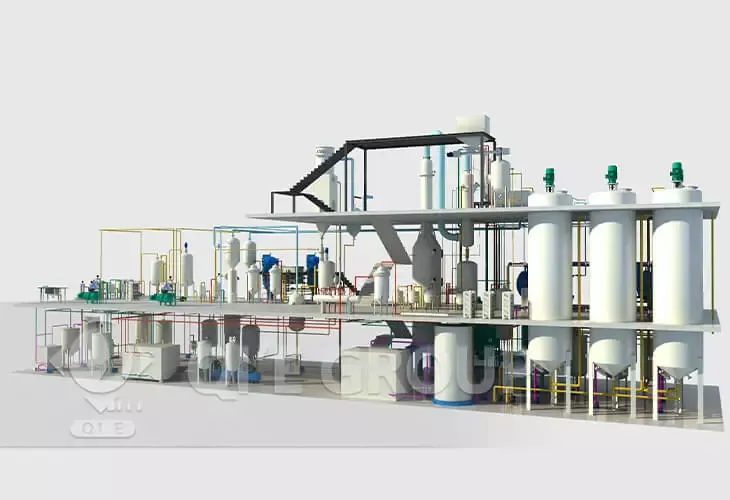

For oil processors aiming for premium-grade edible oils, the dehydrating (or "degumming") step is not just a procedural detail—it’s the foundation of consistent quality and shelf stability. According to the AOCS Official Method Cd 2-66, improper degumming can lead to phospholipid residues that accelerate oxidation, reduce smoke point, and compromise sensory attributes.
| Variable | Optimal Range | Impact if Mismanaged |
|---|---|---|
| Water Addition (w/w) | 0.3–0.7% | Too low → incomplete phospholipid hydration; Too high → emulsion formation & yield loss |
| Temperature | 55–65°C | Below 50°C → slow reaction; Above 70°C → thermal degradation of oil |
| Mixing Intensity | 100–150 rpm | Over-mixing → foam & emulsification; Under-mixing → uneven hydration |
| Settling Time | 30–60 min | Shorter than 20 min → poor separation; Longer than 90 min → inefficiency |
In real-world operations, many plants still rely on manual adjustments based on experience—leading to batch-to-batch variability. One case study from a Ukrainian sunflower oil facility showed a 12% improvement in free fatty acid (FFA) control after implementing standardized SOPs tied to these variables.
“The difference between good and great oil lies in how precisely you manage water addition and temperature during degumming.” — Dr. Ahmed El-Sayed, Senior Process Engineer at Cargill R&D Center
For high-phospholipid oils, consider pre-treatment steps like enzymatic degumming or using citric acid to reduce gum viscosity before traditional water-based degumming. This approach has been shown to improve clarity by up to 20% in trials conducted by Loders Croklaan.
Implementing real-time online conductivity sensors (e.g., 0–20 mS/cm range) allows operators to monitor phospholipid removal progress without sampling. In pilot runs across EU refineries, this technology reduced human error by 40%, shortened cycle times by 15%, and improved consistency in final oil quality metrics like peroxide value (PV).

Standardized procedures aren't just about compliance—they're your competitive edge. When every shift follows the same protocol, you eliminate variability, boost throughput, and build trust with customers who demand predictable performance.
Get a tailored assessment of your current setup—including recommended SOPs, sensor integration paths, and cost-benefit analysis for automation.
Request Your Customized Degumming Optimization Plan