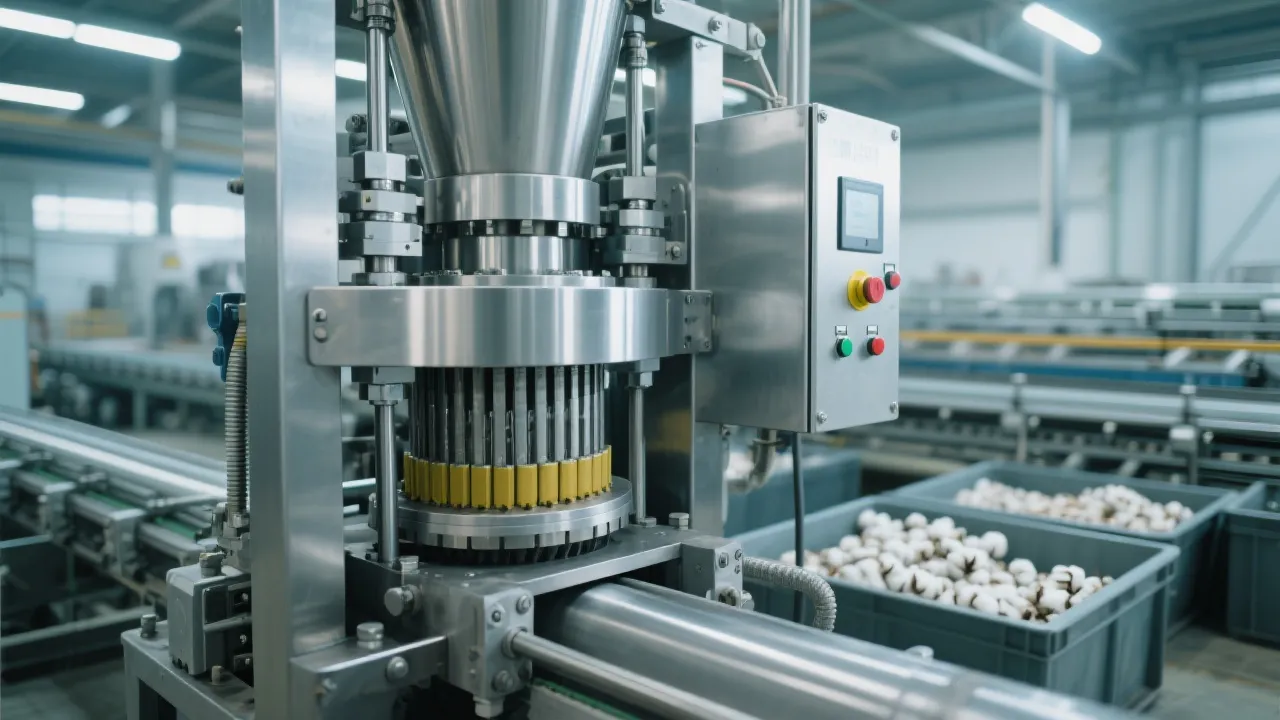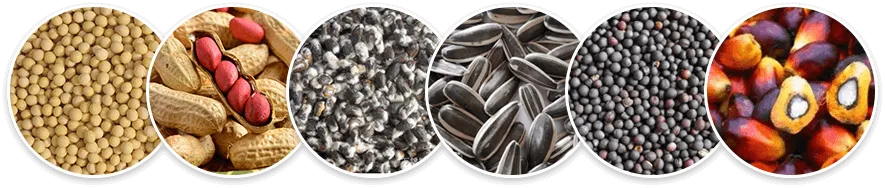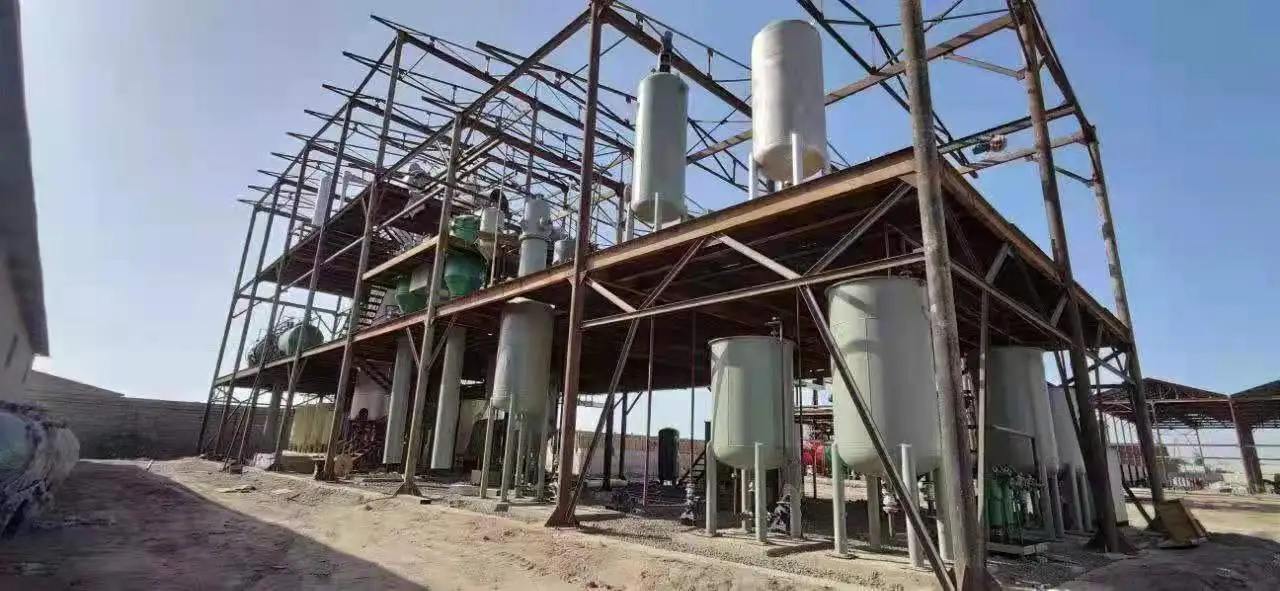

In the realm of edible oil processing, dewaxing is a crucial step that significantly enhances the quality of the final product. By removing waxes from the oil, the process improves the oil's transparency and digestibility. For instance, oils with high wax content can appear cloudy and may cause digestive issues for some consumers. Through dewaxing, these problems can be effectively addressed, leading to a more marketable and healthier product.
Low-temperature crystallization, also known as winterization, is a key technology in the edible oil dewaxing process. The principle behind this technology is to cool the oil to a low temperature, causing the waxes to crystallize. These crystals can then be easily separated from the oil. This process mimics the natural process of wax separation that occurs in cold climates, but it is more controlled and efficient. Studies have shown that by carefully controlling the temperature, the wax separation efficiency can reach up to 90%.
Several core process parameters have a significant impact on wax separation efficiency. The cooling rate is one of the most important factors. A slower cooling rate allows for larger and more easily separable wax crystals to form. Typically, a cooling rate of 0.5 - 1°C per hour is recommended for optimal wax separation. The stirring intensity also plays a crucial role. Appropriate stirring helps to distribute the wax crystals evenly in the oil, preventing them from agglomerating. A stirring speed of 30 - 50 revolutions per minute is often considered ideal. Additionally, the solvent ratio can affect the solubility of the waxes and the overall separation process. A solvent-to-oil ratio of 1:1 to 1:3 is commonly used in the industry.
Different edible oils, such as soybean oil and sunflower oil, have distinct characteristics during the dewaxing process. Soybean oil has a relatively high wax content and a complex wax composition. Therefore, it requires a more precise control of the process parameters. Sunflower oil, on the other hand, has a lower wax content and a simpler wax structure, which makes the dewaxing process relatively easier. Based on these differences, the process parameters need to be adjusted accordingly to achieve the best results.
During the production process, several common problems may occur. For example, the wax separation efficiency may be lower than expected, or the oil may still appear cloudy after dewaxing. To address these issues, a systematic troubleshooting approach is required. First, check the process parameters to ensure they are within the recommended range. If the cooling rate is too fast, adjust it to a slower speed. If the stirring intensity is insufficient, increase the stirring speed. Additionally, regular maintenance of the equipment is essential to ensure its stable operation.
Let's take a look at a real-world case. A medium-sized edible oil processing company was facing challenges in achieving high-quality dewaxed oil. After analyzing their process, it was found that the cooling rate was too fast, resulting in small and difficult-to-separate wax crystals. By adjusting the cooling rate to 0.5°C per hour and optimizing the stirring intensity, the wax separation efficiency increased from 70% to 90%. The oil's transparency also improved significantly, leading to an increase in market demand for their products.
In conclusion, the edible oil dewaxing process is a complex but essential part of the oil processing industry. By understanding the principles of low-temperature crystallization technology and carefully controlling the process parameters, edible oil processing companies can achieve high-quality dewaxed oil. If you are facing challenges in your edible oil dewaxing process or want to optimize your existing process, we are here to help. Our team of experts provides customized technical support with a fast response time. Click here to leave a message and get professional assistance now!