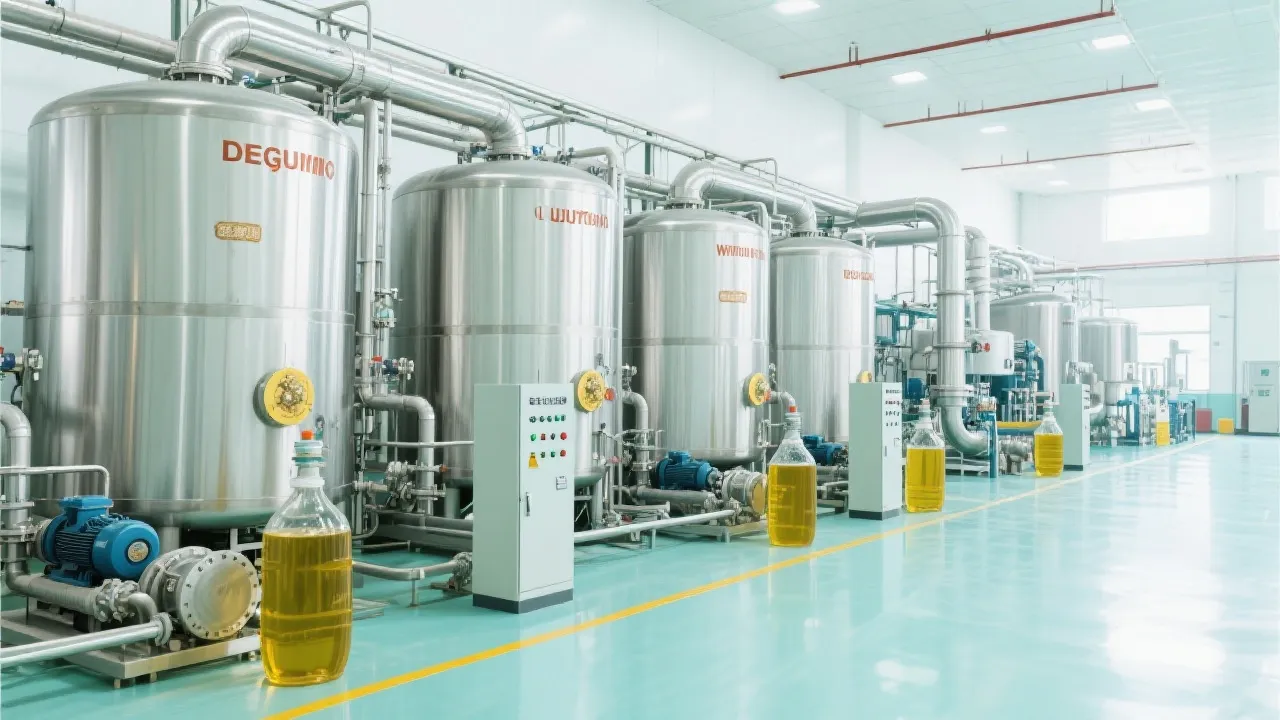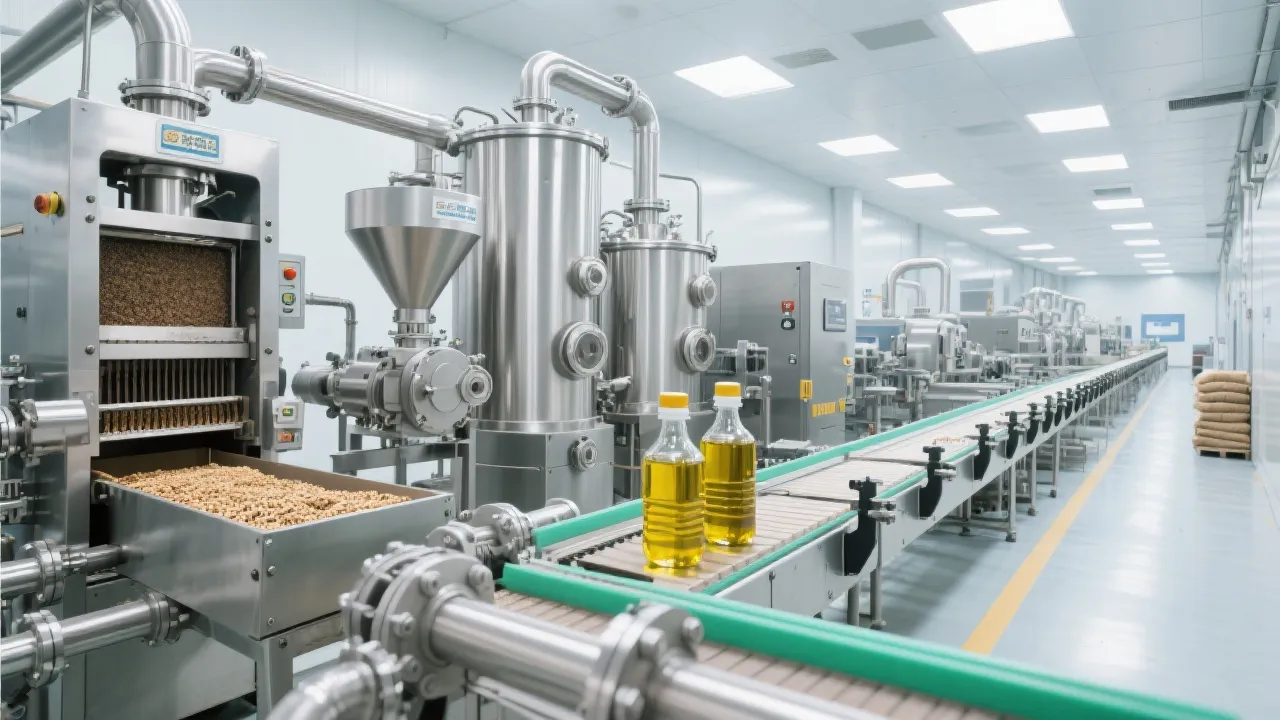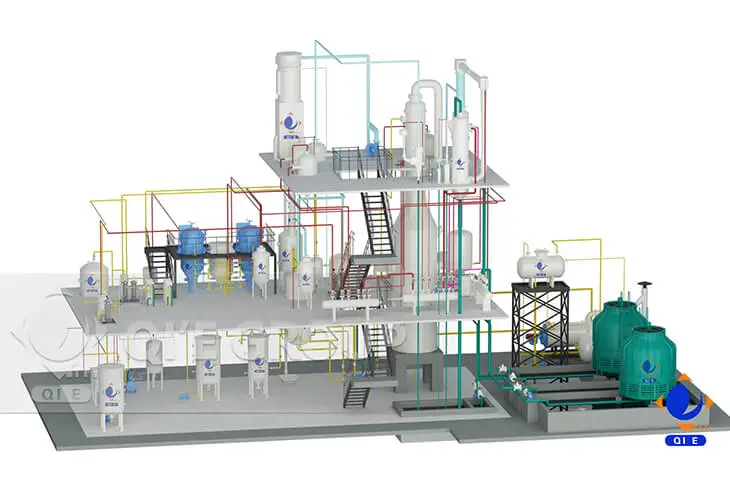

Are you a factory technician or project manager in the vegetable oil production industry? Have you ever wondered, "Why does the oil yield of my rapeseed fluctuate so much?" This is a common pain point for many in the field. Rapeseed pre - treatment is the core step that determines the oil yield and quality of vegetable oil. In this article, we'll delve into the key techniques and operational points of the entire rapeseed pre - treatment process to help you improve the oil yield.
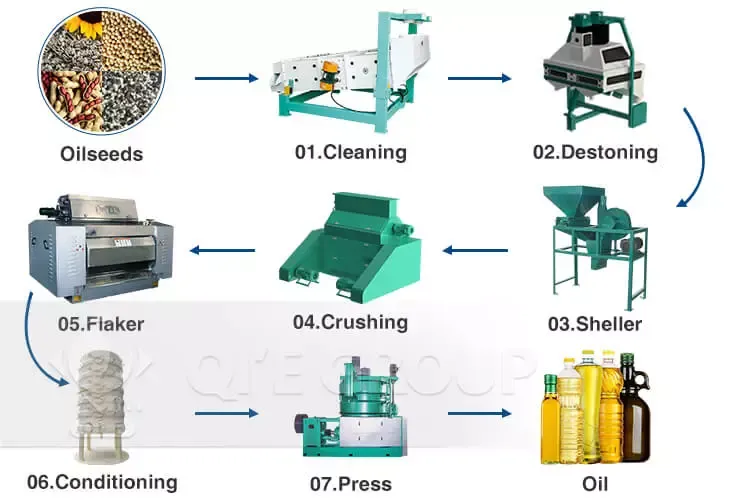
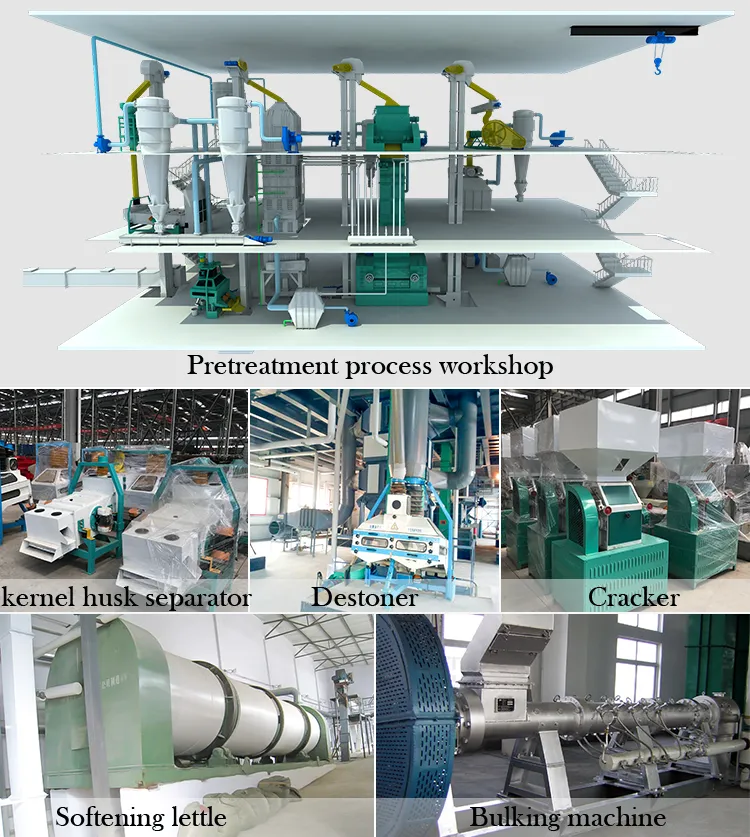
The first step in rapeseed pre - treatment is cleaning. Rapeseeds often contain impurities such as soil, stones, and other foreign materials. These impurities can not only damage the processing equipment but also affect the oil quality and yield. The key to cleaning is to control the appropriate airflow and sieve size. Generally, a sieve with a size of 2 - 3mm can effectively remove large impurities, while a cyclone separator can be used to remove light impurities. The moisture content of the rapeseeds after cleaning should be controlled at about 8% - 10% to ensure the efficiency of subsequent processes.
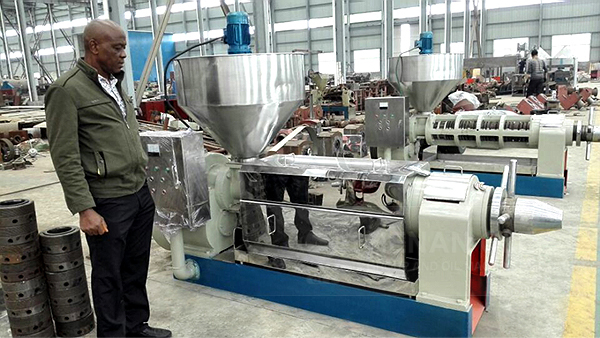
After cleaning, the rapeseeds need to be crushed. Crushing can break the cell walls of the rapeseeds, making it easier for the oil to be released during the subsequent pressing process. The particle size after crushing is a crucial factor. Usually, the particle size should be controlled at about 2 - 4mm. If the particles are too large, the oil yield will be affected; if they are too small, it may cause clogging in the subsequent processes. The temperature during crushing should be kept at room temperature to avoid affecting the oil quality due to overheating.
Dehulling is an important step to improve the oil yield and quality. Rapeseed hulls contain a large amount of fiber, which can absorb oil during the pressing process, reducing the oil yield. By removing the hulls, the oil content in the material to be pressed can be increased. The dehulling rate should be above 90%. The moisture content of the rapeseeds before dehulling should be adjusted to about 6% - 8% to ensure a good dehulling effect.
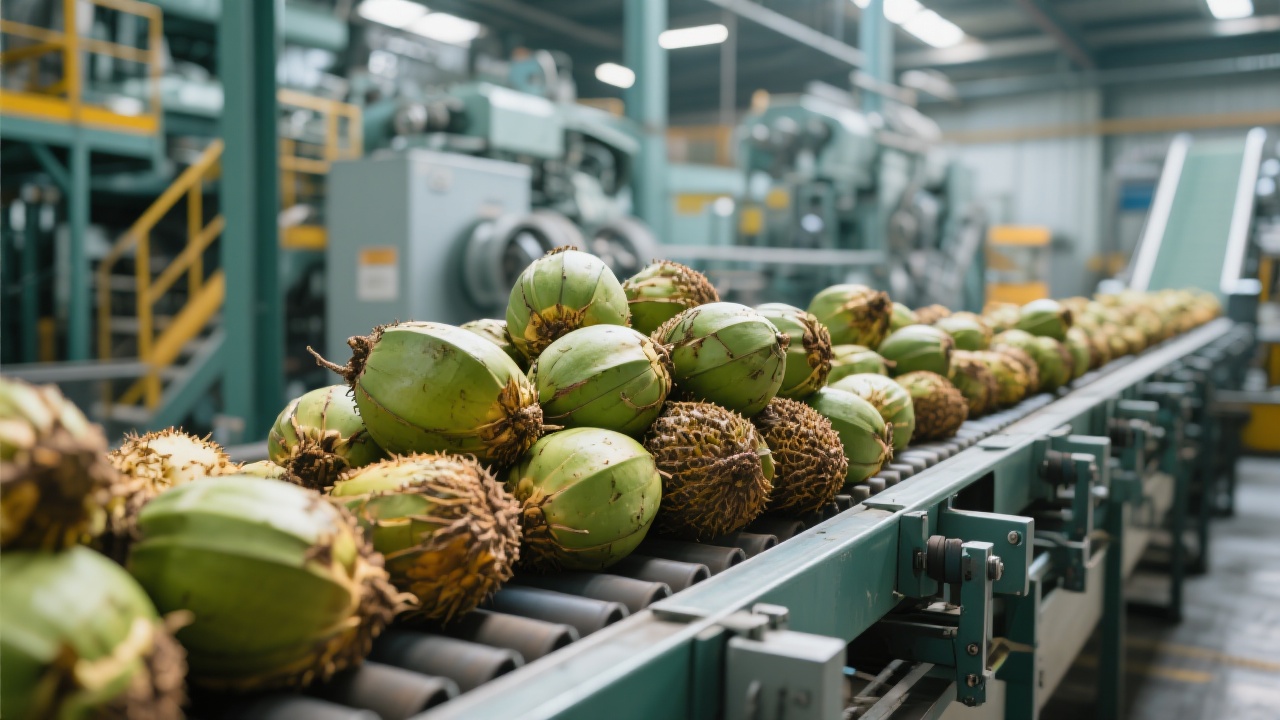
The final step is cooking. Cooking can further denature the proteins in the rapeseeds, making the oil more easily separated from the solids. The temperature during cooking is usually controlled at 100 - 110°C, and the moisture content should be about 12% - 14%. Proper cooking can increase the fluidity of the oil and improve the pressing efficiency.
According to industry statistics, scientific rapeseed pre - treatment can increase the oil yield by 3% - 5%. This may seem like a small increase, but in large - scale production, it can bring significant economic benefits.
Let's take a look at two real - world scenarios. In a traditional pre - treatment process, manual operations are often used, which are labor - intensive and have poor stability. The oil yield is usually around 35% - 38%, and the energy consumption is relatively high. On the other hand, in a modern automated pre - treatment process, the oil yield can reach 38% - 43%, with lower energy consumption and better stability. For example, a factory that switched from traditional to automated pre - treatment saw an increase in oil yield from 36% to 41% and a 20% reduction in energy consumption.
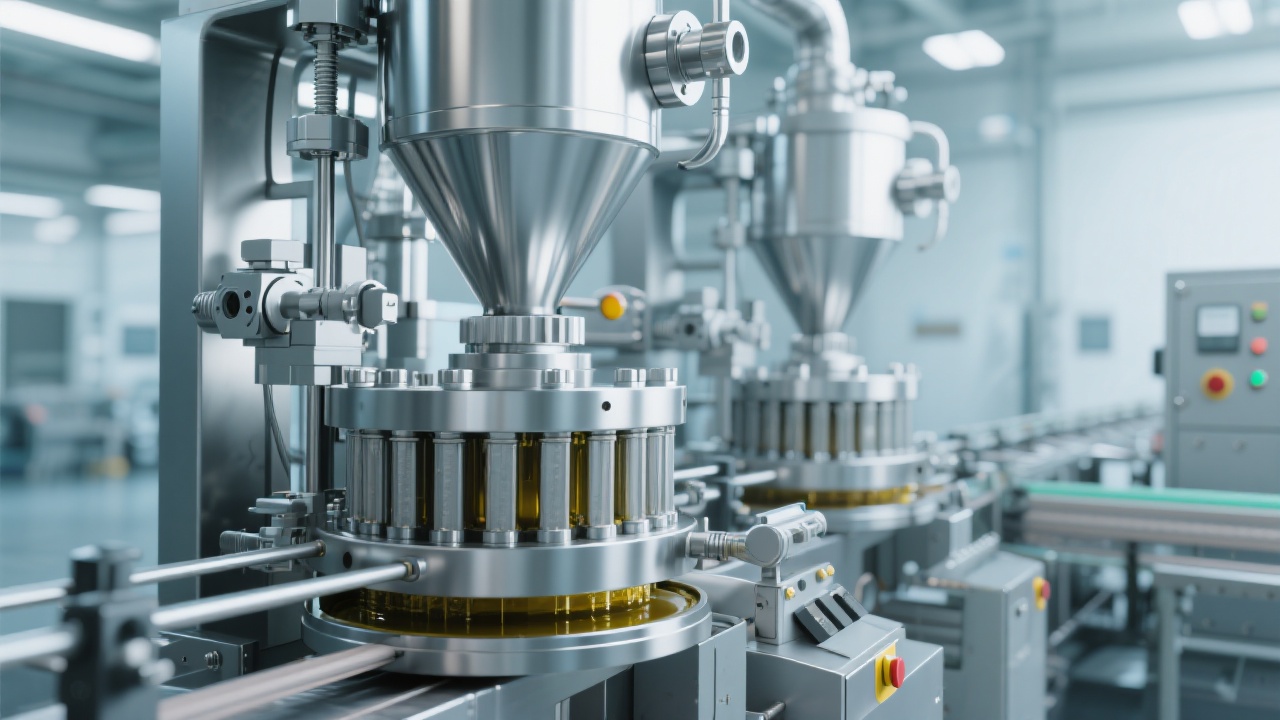
Based on the above analysis, here are some practical suggestions. When adjusting the cooking parameters, you should consider the characteristics of the raw materials. For example, if the rapeseeds have a high moisture content, you can appropriately increase the cooking temperature and reduce the cooking time. Regularly maintain and calibrate the processing equipment to ensure its normal operation and accuracy.
Are you ready to optimize your rapeseed pre - treatment process? To learn more about scientific pre - treatment solutions and download the complete process guide PDF, please visit our technical knowledge base.
What challenges do you face in rapeseed pre - treatment? Share your thoughts in the comments below!