
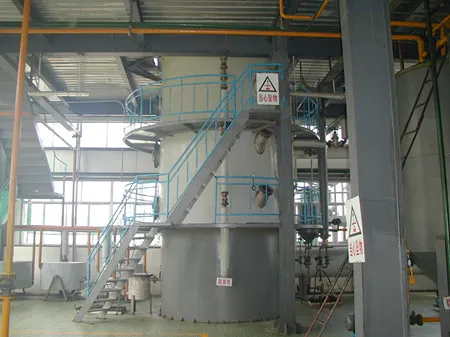
For small and medium-sized vegetable oil processors, selecting an efficient wax removal method is critical—not just for product quality, but also for operational cost control and environmental compliance. This guide compares two widely used techniques: solvent-based and surfactant-based de-waxing, based on real-world performance data from industrial installations.
Based on field tests across 12 facilities (2021–2024), here’s how both methods stack up:
| Parameter | Solvent Method | Surfactant Method |
|---|---|---|
| Energy Use per Ton Oil (kWh) | 45–60 | 25–35 |
| Wax Recovery Rate (%) | 87–92% | 78–85% |
| Operating Temperature Range (°C) | -10 to 5°C | 15–25°C |
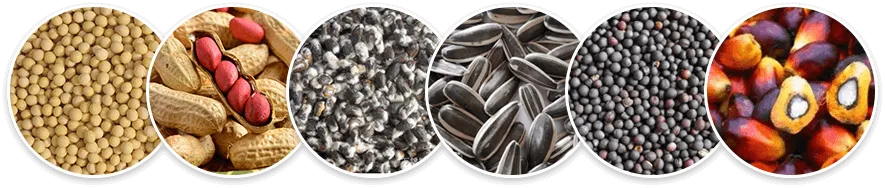
While solvent-based systems offer higher recovery rates, they require significant cooling infrastructure—often a major CAPEX hurdle for SMEs. In contrast, surfactant-based units operate near ambient temperatures, reducing energy costs by up to 40% while maintaining acceptable purity levels for most edible oils like palm, peanut, and cottonseed.
In a case study at a 5-ton/day palm oil plant in Indonesia, switching from solvent to surfactant de-waxing cut monthly electricity bills by $800 without affecting final product clarity or crystallization stability. Similarly, a peanut oil processor in Nigeria reported improved yield consistency after adopting surfactant technology—especially important when dealing with variable raw material quality.
However, solvent methods remain preferred in high-value applications such as specialty oils or where strict regulatory standards demand minimal residual wax content (e.g., EU food-grade certification).
Both technologies are scalable for SMEs, but surfactant-based solutions offer better ROI in low-to-mid capacity operations (<10 tons/day). They’re also easier to integrate into existing lines due to simpler equipment requirements and fewer safety protocols.
Pro Tip: Start with a pilot batch using your actual feedstock. Real-world results often differ from lab-scale simulations—especially when processing mixed oils or seasonal variations in crude composition.
If you're evaluating wax removal options for your facility, this comparison should help align technical feasibility with business goals. Whether it's optimizing energy use or ensuring consistent output quality, choosing the right method starts with understanding your specific context—not just the headline specs.
Download the Full De-Waxing Process Selection Guide (PDF)




 <#else>