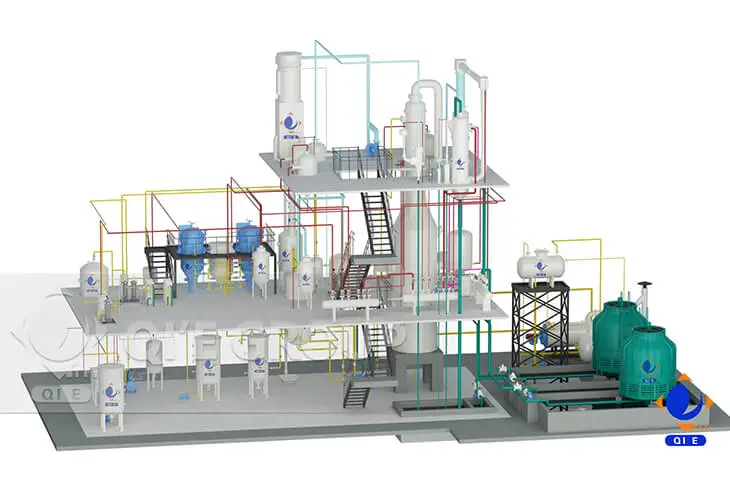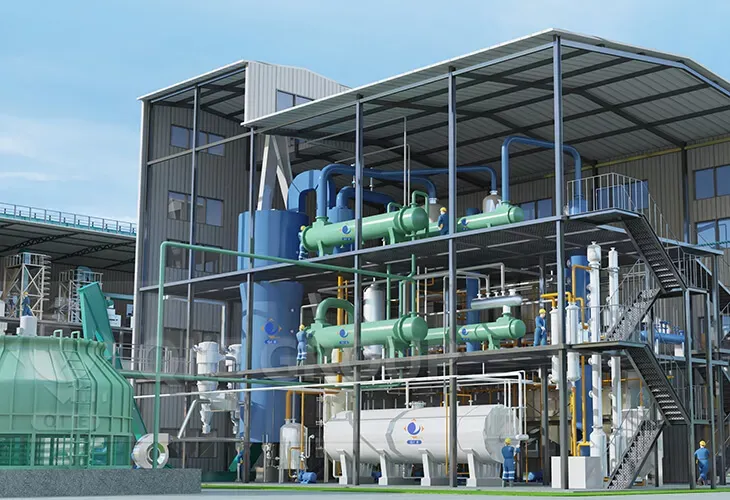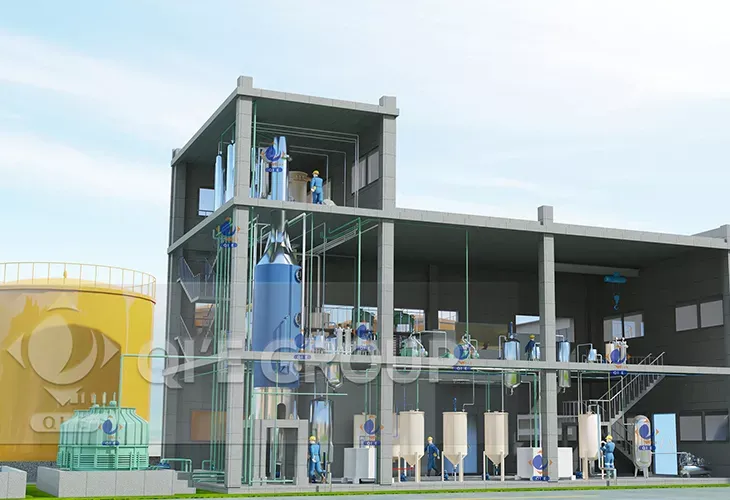
In the realm of vegetable oil production, wax removal is a crucial step that significantly impacts product quality and production efficiency. This article delves deep into a comprehensive comparison of two mainstream wax removal technologies - the solvent method and the conventional method. By presenting measured data and real - world case studies, we aim to provide a scientific basis for small and medium - sized enterprises to select the most suitable wax removal production line.
The fundamental difference between the solvent method and the conventional method lies in their technical principles. The conventional method mainly relies on low - temperature crystallization. When the oil is cooled to a certain temperature, the wax in the oil will crystallize and precipitate, and then can be separated through filtration. In contrast, the solvent method uses solvent extraction. The wax in the oil is dissolved in the solvent, and then the wax is separated from the oil - solvent mixture through subsequent processes.
| Method | Energy Consumption (kWh/kg oil) | Wax Recovery Rate (%) |
|---|---|---|
| Solvent Method | 0.1 - 0.3 | 85 - 95 |
| Conventional Method | 0.3 - 0.5 | 70 - 80 |
From the above data, it is clear that the solvent method generally has lower energy consumption and higher wax recovery rate compared to the conventional method. However, these data can vary depending on specific production conditions and raw materials.
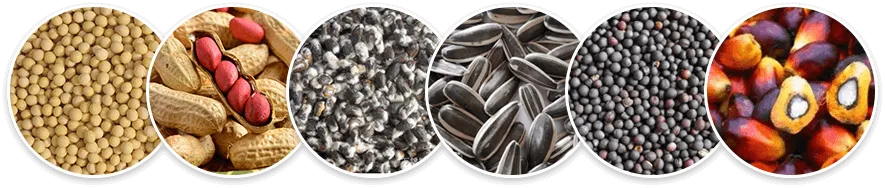
Raw Material Characteristics: Different vegetable oils have different wax contents. For example, cottonseed oil has a relatively high wax content. In such cases, the solvent method may be more suitable due to its higher wax recovery rate. For oils with lower wax content, the conventional method may also achieve satisfactory results.
Production Capacity Scale: For small and medium - sized factories with relatively low production capacity, the conventional method may be a more cost - effective choice because it usually has lower equipment investment and simpler operation. On the other hand, large - scale production lines may prefer the solvent method to achieve higher efficiency and better wax recovery.
There are some common misunderstandings in the selection of wax removal methods. Some people may think that the solvent method is always more efficient. However, in some cases, especially for small - scale production or certain types of oils, the conventional method may be more appropriate. Also, safety control is often overlooked in the solvent method. Since solvents are flammable and volatile, strict safety measures are required during operation.
Making a decision on the wax removal production line should be based on a comprehensive consideration of various factors. By understanding the differences between the solvent method and the conventional method, analyzing measured data, and considering applicable scenarios, you can make a more informed choice. Don't make blind investments in wax removal production lines anymore!