In the realm of vegetable oil processing, dewaxing is a crucial step that significantly impacts the quality and marketability of the final product. This article delves into the surfactant method for dewaxing, offering a comprehensive analysis of its operation essentials, common pitfalls, and how it compares with other dewaxing techniques.
There are several methods for vegetable oil dewaxing, including the conventional method, solvent method, and combined degumming and deacidification method. Each has its own characteristics in terms of energy consumption, equipment investment, environmental friendliness, and wax recovery rate. For instance, the solvent method generally has a high wax recovery rate but may involve higher equipment investment and potential environmental concerns due to solvent usage.
| Method | Energy Consumption (kWh/ton) | Equipment Investment ($) | Environmental Friendliness | Wax Recovery Rate (%) |
|---|---|---|---|---|
| Conventional Method | 80 - 120 | 50,000 - 80,000 | Medium | 60 - 70 |
| Solvent Method | 100 - 150 | 80,000 - 120,000 | Low | 80 - 90 |
| Surfactant Method | 60 - 90 | 60,000 - 90,000 | High | 70 - 80 |
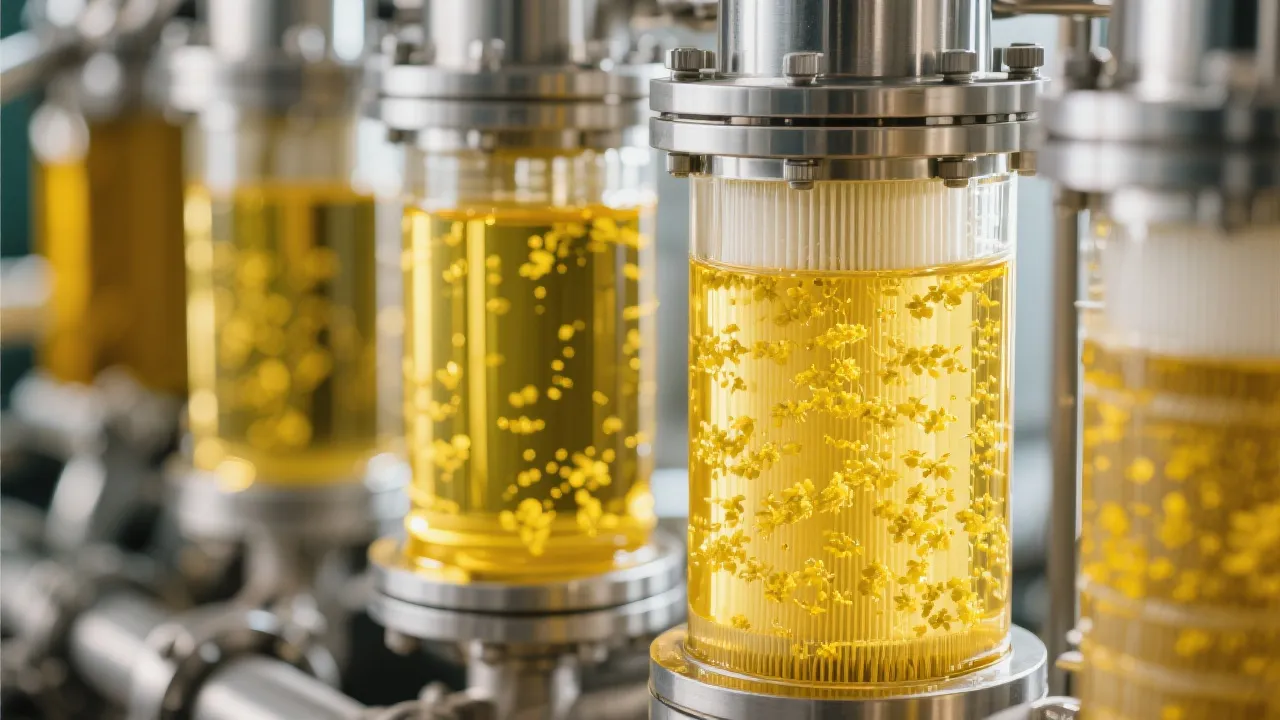
The surfactant method for dewaxing is based on the principle that surfactants can reduce the surface tension between wax and oil, promoting the separation of wax crystals from the oil phase. This method often involves low - temperature crystallization technology, where the oil is cooled to a specific temperature to allow wax to crystallize. For example, in palm oil dewaxing, the oil is typically cooled to around 10 - 15°C to facilitate wax crystallization.
The operation process of the surfactant method includes several key steps. First, the oil is pre - treated to remove impurities. Then, the surfactant is added at a specific dosage, usually around 0.1% - 0.5% of the oil weight. After that, the oil is cooled at a controlled rate to form wax crystals. The cooling rate is crucial; a too - fast rate may lead to the formation of small, difficult - to - separate wax crystals, while a too - slow rate may increase the processing time and energy consumption.
One common misunderstanding is the improper use of surfactants. Using the wrong type or dosage of surfactant can lead to incomplete wax separation or affect the quality of the oil. Another risk is the incorrect control of the cooling temperature and rate. For example, if the temperature is not low enough, the wax may not crystallize effectively, and if the rate is not well - controlled, it can result in poor wax crystal formation.
A medium - sized vegetable oil factory previously used the conventional dewaxing method but faced issues with high energy consumption and low wax recovery rate. After switching to the surfactant method, they reduced their energy consumption by about 20% and increased the wax recovery rate by 10%. The factory also found that the quality of their final product improved, which enhanced their market competitiveness.
Based on engineering practice data, it is recommended to regularly clean the equipment to prevent the accumulation of wax and other impurities, which can affect the efficiency of the dewaxing process. Also, the surfactant should be stored properly to maintain its effectiveness. For small and medium - sized enterprises, it is important to choose a surfactant that is cost - effective and suitable for their production scale.
Interested in learning more about vegetable oil dewaxing techniques? Download the Dewaxing Process Selection Guide PDF