Troubleshooting Cloudiness and Abnormal Layering After Degumming in Edible Oil Refining: Key Causes and Practical Solutions

11 10,2025
QI ' E Group
Solution
Experiencing cloudiness or abnormal layering in edible oil after degumming? This article offers a comprehensive analysis of the critical principles behind degumming processes in edible oil refining. By examining both water degumming and acid degumming techniques—focusing on operational parameters such as temperature, pH, and stirring speed—we provide actionable troubleshooting guidelines and solutions. Whether you are a technical supervisor or frontline operator, you will be able to quickly identify root causes, enhance oil clarity, improve downstream processing efficiency, and maintain stable production line performance.
Hf3c5b349132642ea8bb87e70c36b113bk.jpg

Understanding the Root Causes of Oil Cloudiness and Layering Issues after Degumming

In edible oil refining, degumming plays a pivotal role in ensuring oil purity and downstream process efficiency. When you encounter cloudiness or abnormal layering post-degumming, this typically signals issues within the degumming operation parameters or raw material inconsistency. As a technical supervisor or plant operator, mastering the fundamentals of degumming and recognizing the key process variables will empower you to swiftly identify and rectify these abnormalities.

Why Degumming Is the Cornerstone of Edible Oil Pretreatment

Degumming effectively removes phospholipids, metal ions, and other impurities that cause oil instability. These impurities, if left untreated, contribute to haze formation and challenges in subsequent refining stages such as bleaching and deodorization. Whether processing soybean oil, rapeseed oil, or other vegetable oils, precise degumming ensures the oil achieves the clarity and stability required by today’s demanding food standards.

Water Degumming vs. Acid Degumming: Process Differences and Raw Material Suitability

Two prominent degumming techniques dominate in refining: Water Degumming and Acid Degumming.

Method Mechanism Suitable Oils Typical Parameters
Water Degumming Hydrate phospholipids into gums, separated by centrifugation Low phospholipid oils (e.g., some soybean oils)
  • Temp: 60–75°C
  • Water dosage: 2–3%
  • pH: ~6.5–7.0
  • Stirring speed: 200–400 rpm
Acid Degumming Use phosphoric or citric acid to convert non-hydratable phospholipids High phospholipid oils (e.g., rapeseed, sunflower oil)
  • Temp: 65–80°C
  • Acid dosage: 0.02%-0.06%
  • pH: 5.5–6.5
  • Stirring speed: 250–450 rpm

Diagnosing Common Post-Degumming Issues: Cloudiness, Layering, and Residual Phospholipids

Persistent oil cloudiness or uneven layering often stems from deviations in process conditions or raw material variability:

  • Insufficient hydration or acid dosage: Leads to incomplete phospholipid removal, causing turbidity.
  • Inappropriate temperature: Below 60°C can inhibit phospholipid reaction, while excessive heat (>85°C) risks oil degradation and emulsification.
  • Improper pH control: Deviations beyond recommended ranges affect gum formation and separation efficiency.
  • Uneven stirring: Suboptimal agitation (<200 rpm) limits contact, whereas overly vigorous mixing (>500 rpm) promotes emulsions.
  • Raw oil inconsistency: Varying phospholipid content or presence of metals can affect degumming performance.

For example, phospholipid residuals above industry norms (>10 mg/kg) commonly indicate process lapses, adversely impacting the bleaching stage due to oil gum carryover.

Operational Recommendations: Parameter Adjustments to Optimize Degumming Outcomes

To enhance your oil quality, consider the following actionable measures:

Parameter Optimal Range Effect of Deviation
Temperature 65–75°C Too low: poor gum hydration; too high: emulsions
pH Value 6.0–6.8 (water degumming), 5.5–6.5 (acid degumming) Off-range pH can impair phospholipid conversion
Mixing Speed 250–400 rpm Too slow: incomplete reaction; too fast: emulsification issues
Retention Time 30–60 mins Insufficient time reduces degumming efficiency

Regularly monitoring these parameters and making precise adjustments enables consistent degumming quality and minimizes incident rates.
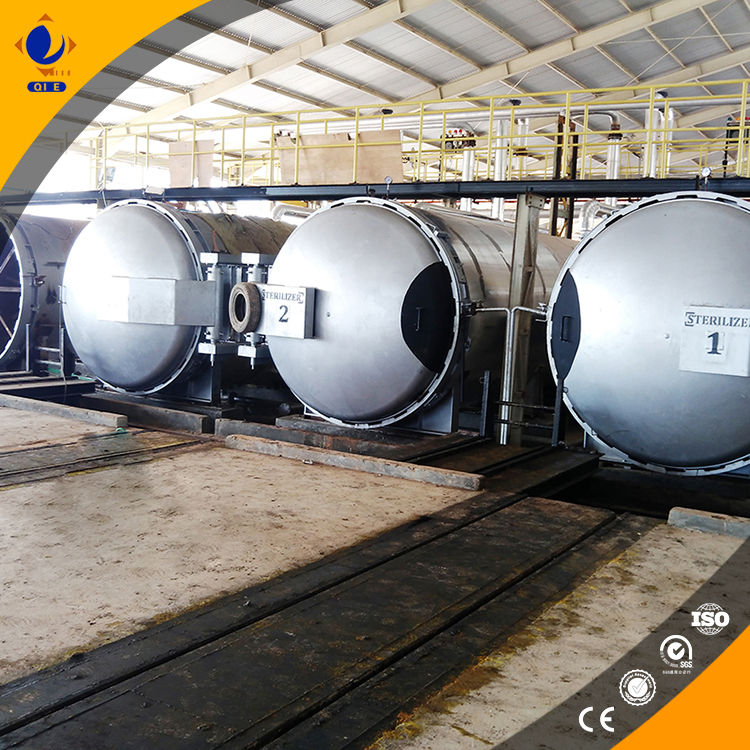
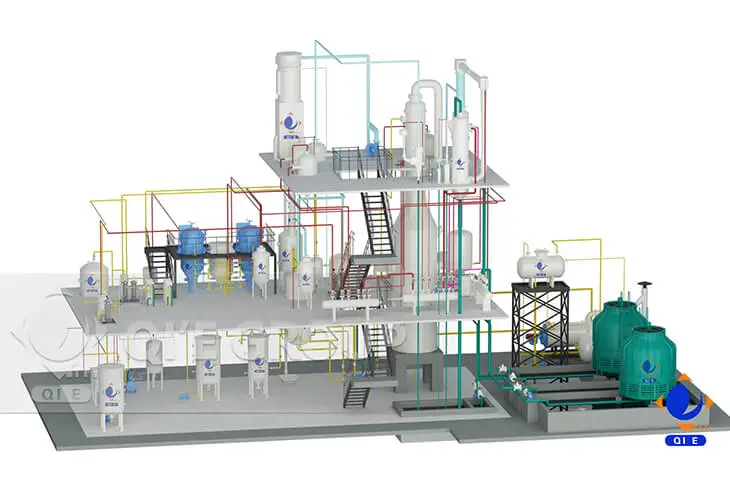
Degumming process flowchart for edible oil refining highlighting hydration, acid addition, and separation stages

Case Insight: How Degumming Adjustment Rescued a Client’s Production Line

One rapeseed oil producer reported persistent turbidity post-degumming that caused difficulty in bleaching and subsequent filter clogging. After comprehensive audits, the operator identified:

  • Operating temperature was maintained at 55°C, below the recommended 70°C.
  • Acid dosage and pH were unmonitored, resulting in pH values fluctuating outside 5.5–6.5.
  • Mixer speed inconsistently fluctuated between 150-600 rpm.

Implementing precise control equipment — such as Penguin Group’s advanced degumming reactors with integrated temperature and pH sensors — allowed exact parameter regulation. Within two weeks, turbidity dropped below 5 NTU, and phosphorus content was reduced under 8 mg/kg, restoring bleaching efficiency.

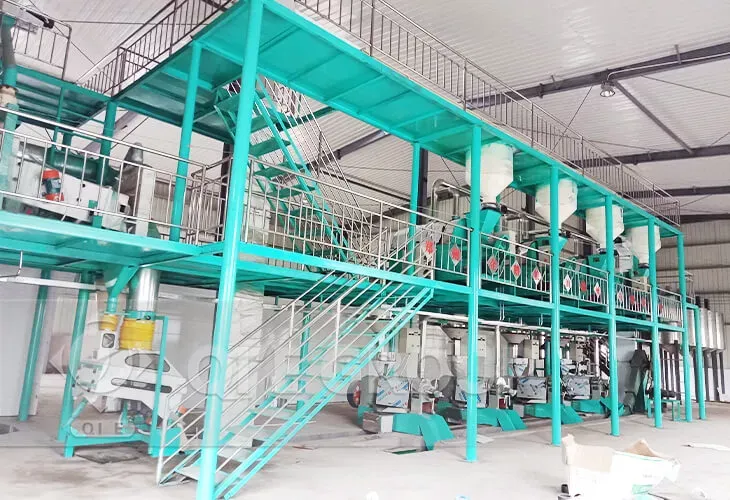
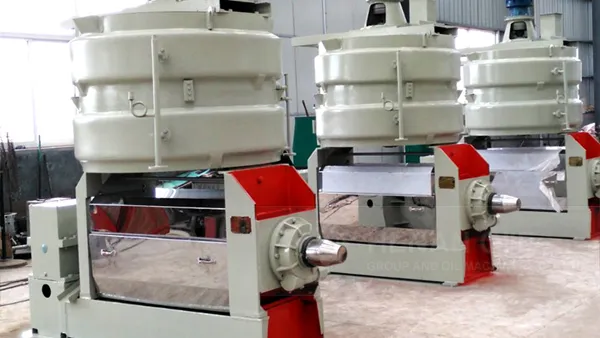
Industrial edible oil degumming equipment with digital control panel showing real-time pH and temperature readings

Establishing Quality Control Benchmarks: Detection and Monitoring

To maintain steady production:

  • Regularly measure phosphorus content: Nearly 8–10 mg/kg post-degumming is an optimal target.
  • Employ turbidity meters: Values under 5 NTU indicate effective degumming.
  • Monitor pH and temperature continuously: Use automated controls wherever possible.
  • Visual inspection: Ensure clear oil phase and distinct gum separation.

Implementing these monitoring techniques safeguards oil quality consistency and minimizes the risk of costly downstream processing disruptions.
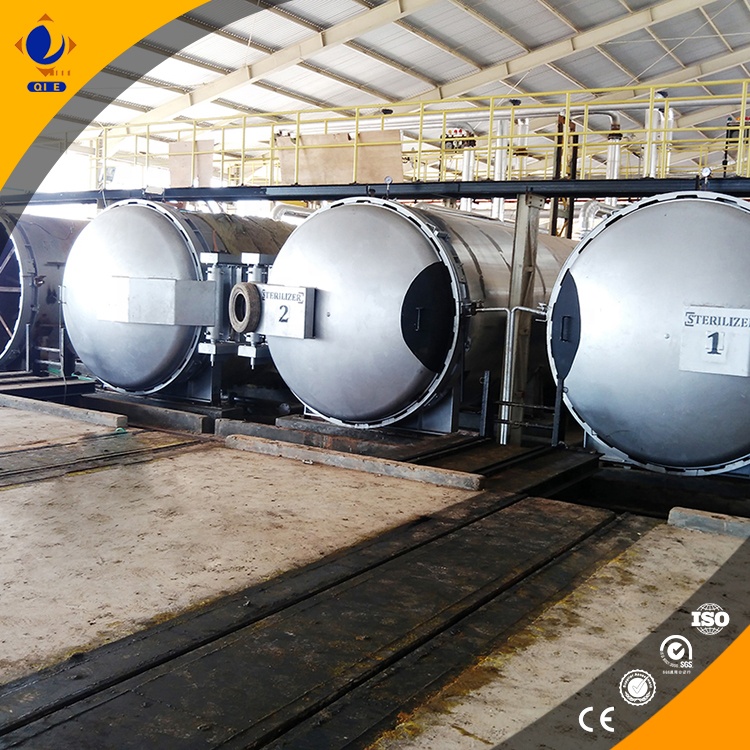

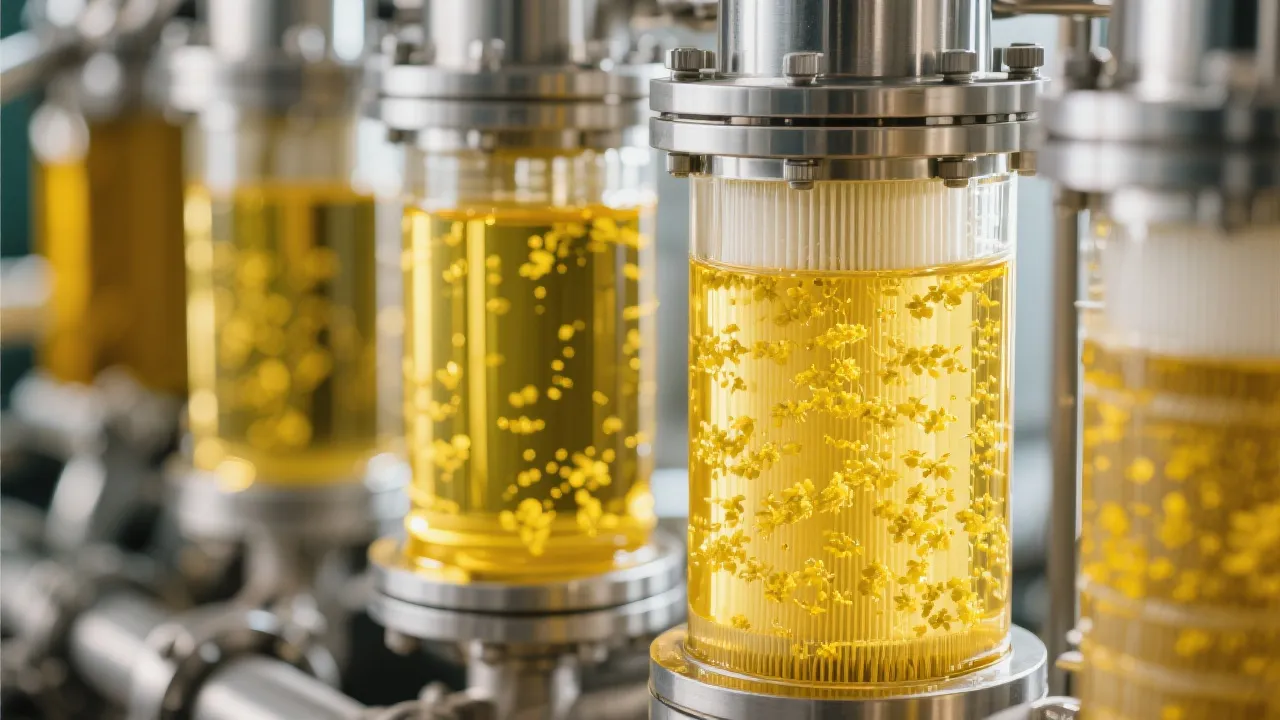
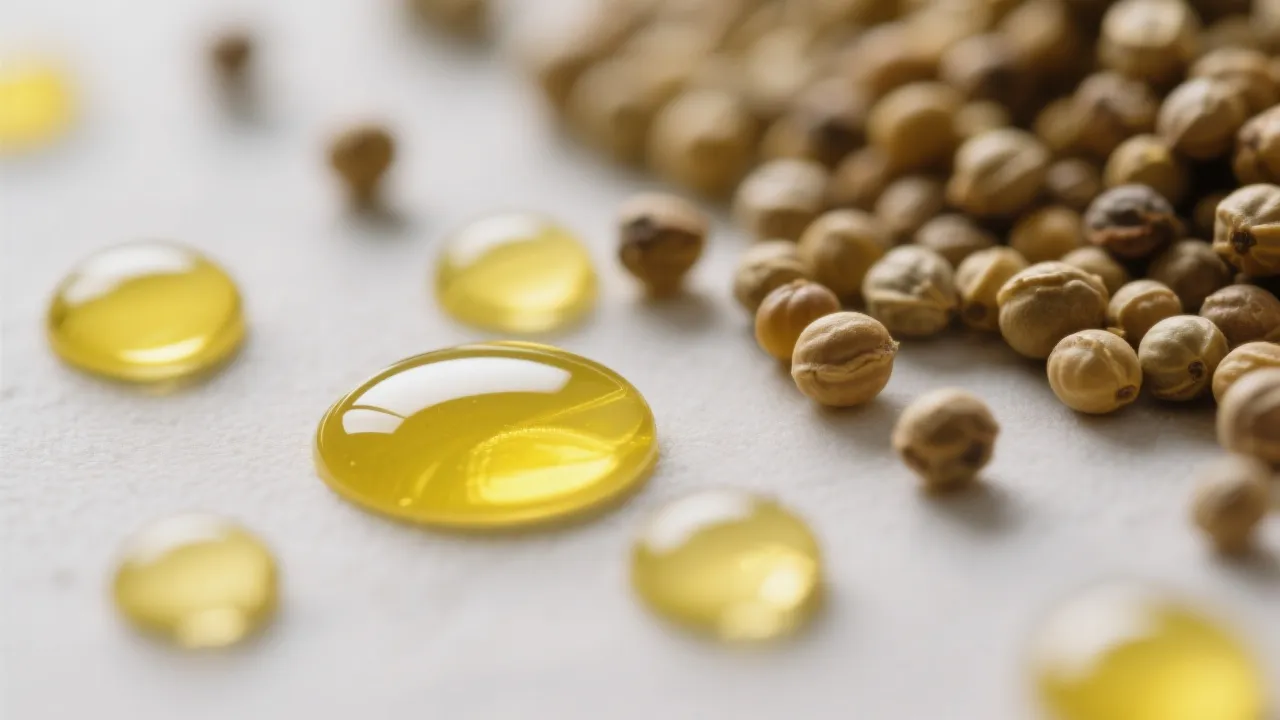
Oil sample turbidity measurement with color-coded scale showing clear and cloudy distinctions
Industry Standard Reminder: According to the International Oil Refiners Association, efficient degumming requires maintaining a phosphorous content below 10 mg/kg and turbidity under 5 NTU to ensure optimal overall refining quality.
Name *
Email *
Message*

Recommended Products

Contact us
Contact us
img
https://shmuker.oss-cn-hangzhou.aliyuncs.com/tmp/temporary/60ec5bd7f8d5a86c84ef79f2/60ec5bdcf8d5a86c84ef7a9a/thumb-prev.png