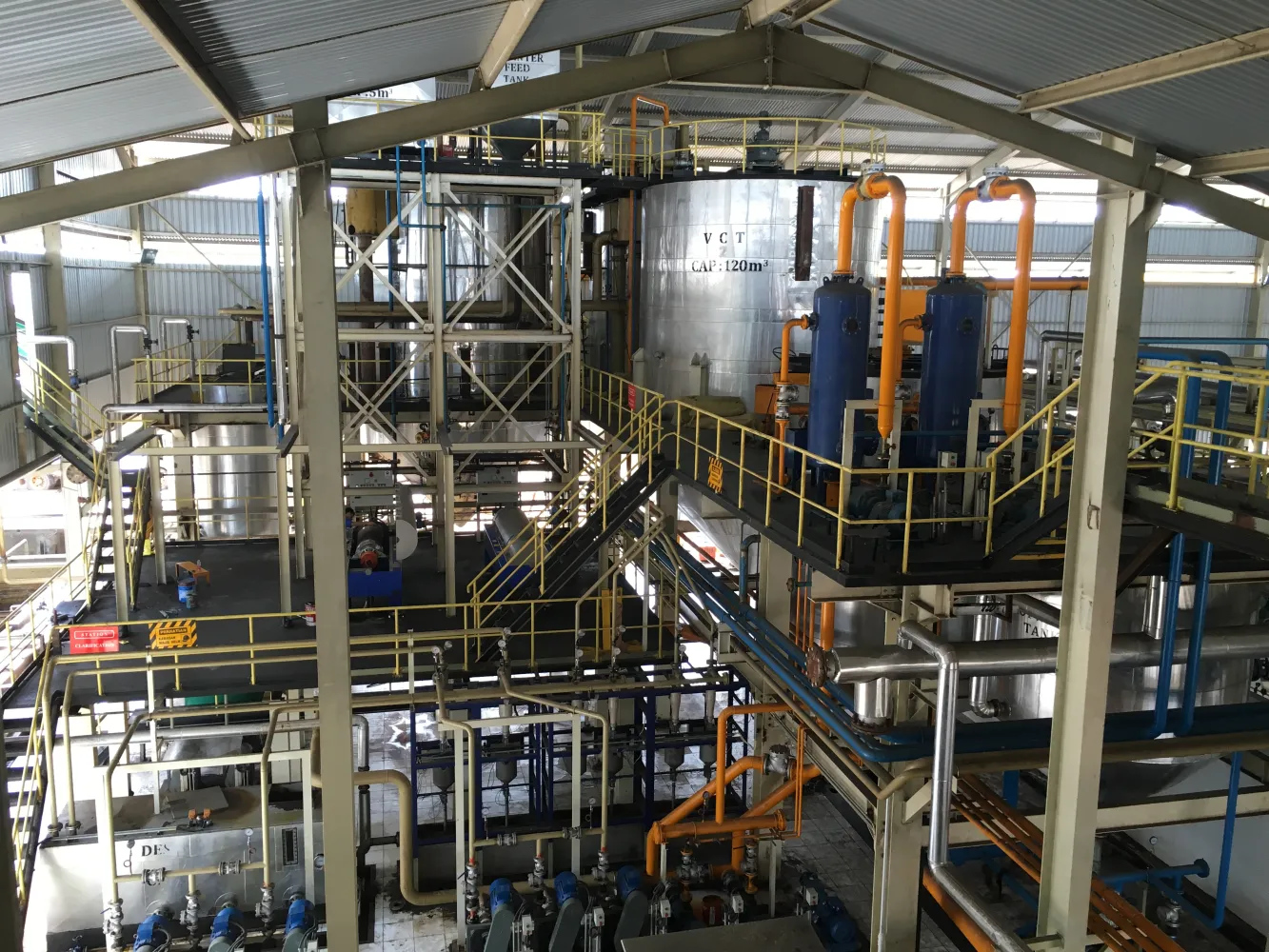
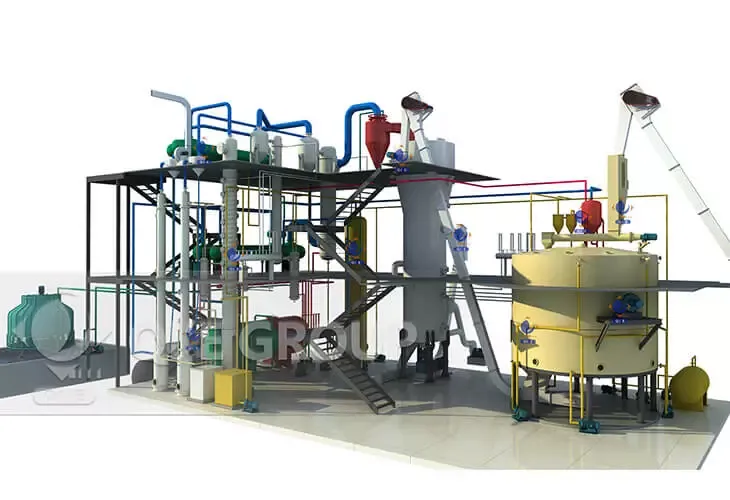
In the competitive landscape of edible oil processing, equipment downtime can cost manufacturers an average of $5,000 to $20,000 per hour in production losses, according to industry research. For international processors relying on continuous solvent extraction systems, maintaining optimal equipment performance isn't just a operational necessity—it directly impacts product quality, safety compliance, and overall profitability. This guide explores proven maintenance strategies that have helped plants reduce unplanned downtime by up to 35% while extending equipment lifespan by 2-3 years.
Effective maintenance begins with understanding the unique requirements of each component in your solvent extraction system. The rotating parts, including extractor screws and conveyor systems, typically require lubrication every 250 operating hours using food-grade lubricants meeting NSF H1 standards. Bearings should be inspected quarterly for temperature variations exceeding 40°C, which often indicate pending failure.
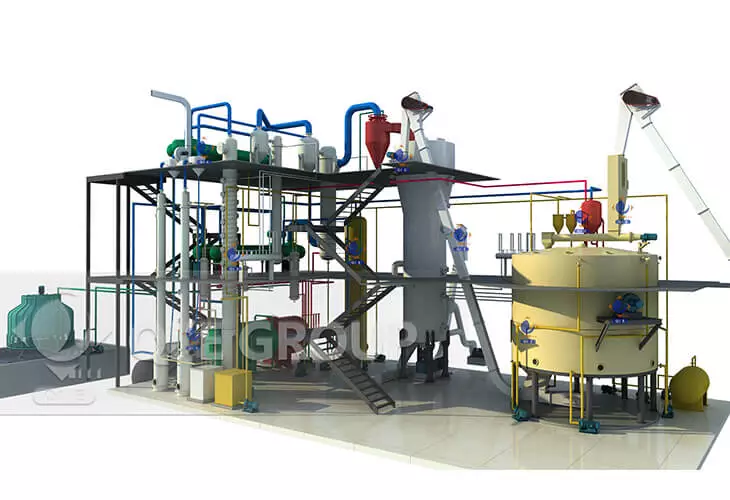
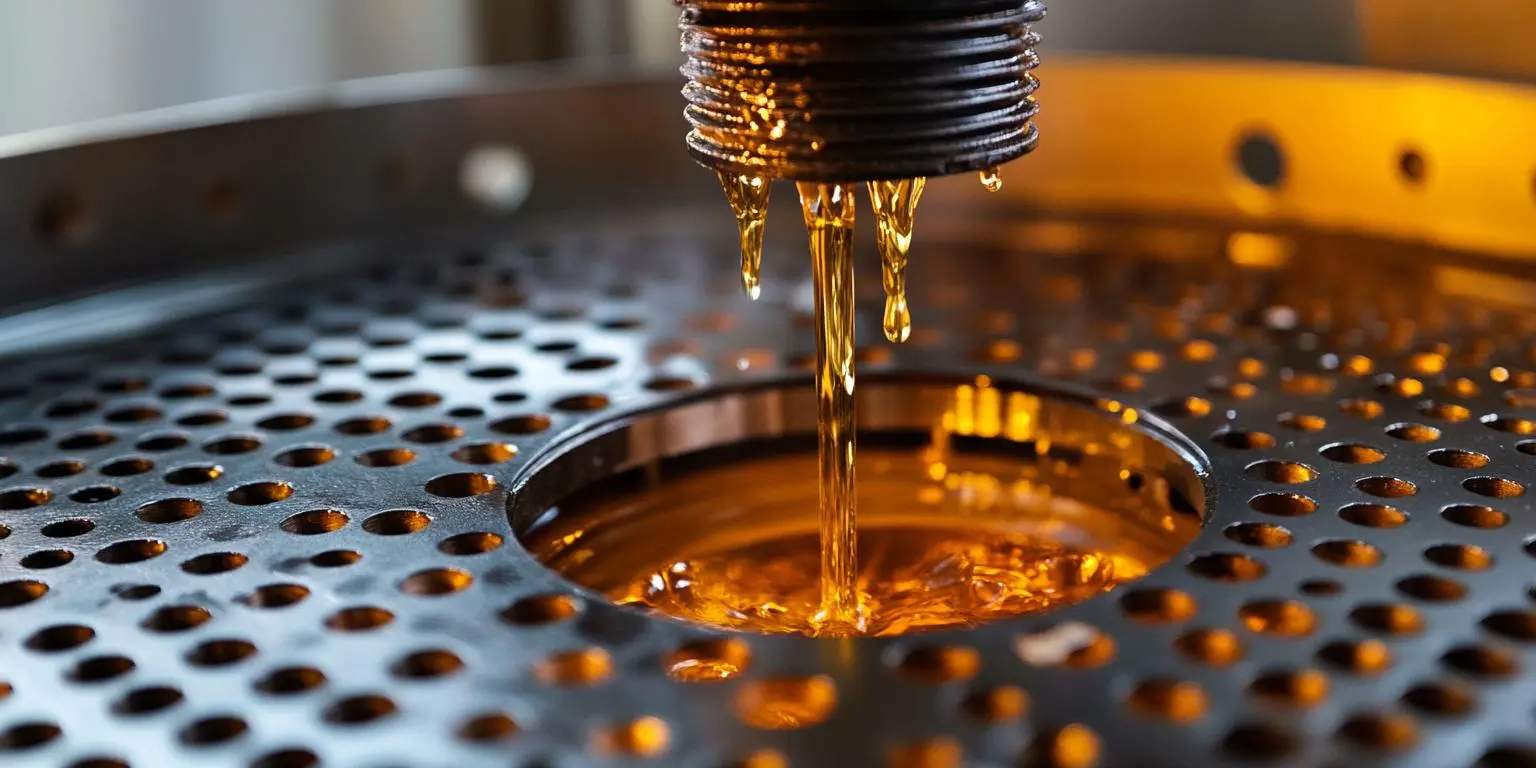
The DTDC (Desolventizer-Toaster-Dryer-Cooler) system demands special attention, with screen cleaning required every 150 hours to prevent buildup that can reduce thermal efficiency by up to 22%. Weekly checks of solvent recovery condensers ensure proper heat transfer, maintaining solvent recovery rates above 99.5%—a critical factor for both safety and operational cost control.
In tropical climates common to many oil processing regions, corrosion poses a significant threat to equipment integrity. Implementing a biweekly inspection protocol for stainless steel surfaces using pH-neutral cleaners can extend component life by 40%. For carbon steel parts in contact with solvent, quarterly application of specialized anti-corrosion coatings has proven effective in reducing maintenance costs by approximately $12,000 annually for mid-sized facilities.
Lubrication practices vary by component: gearboxes require oil analysis every 6 months to detect contamination, while chain drives benefit from automatic lubrication systems that maintain consistent grease application. A case study from a Southeast Asian palm oil processor demonstrated that upgrading to precision lubrication practices reduced bearing failures by 65% within the first year of implementation.
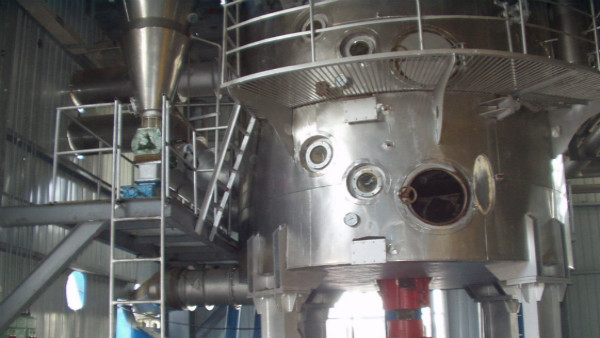
Solvent leakage represents one of the most critical issues facing operators, with potential safety hazards and environmental concerns. A recent incident at a South American soybean processing plant illustrates this challenge: persistent solvent odors led to production shutdown until technicians identified worn gaskets in the extraction vessel. Implementing a monthly torque verification program for all flange connections reduced such incidents by 78% over six months.
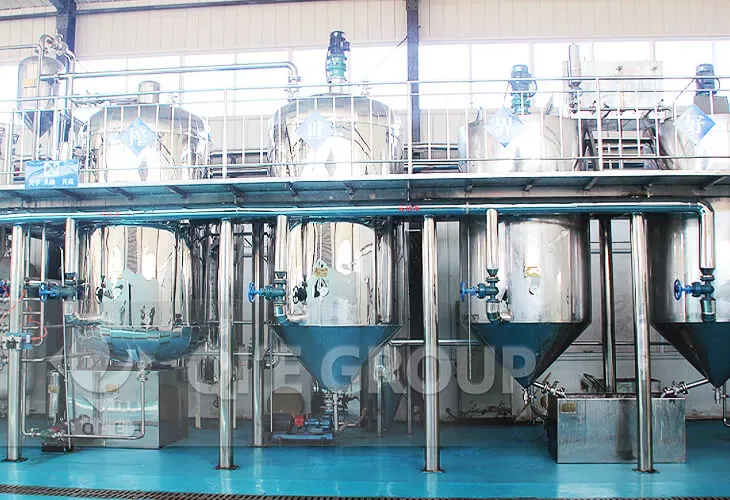
Another common issue involves inconsistent oil yield, often caused by improper bed height in the extractor. By installing ultrasonic level sensors and implementing automated bed height control—standard features in modern systems like those from 企鹅集团 (QIE Group)—one African processor increased extraction efficiency by 3.2%, translating to approximately $450,000 in additional annual revenue.
Maintaining equipment safety requires more than just technical maintenance—it demands comprehensive operator training. Statistics show that facilities with structured training programs experience 58% fewer accidents and 43% less unplanned downtime. Key training components should include solvent handling procedures, emergency shutdown protocols, and proper lockout/tagout practices.
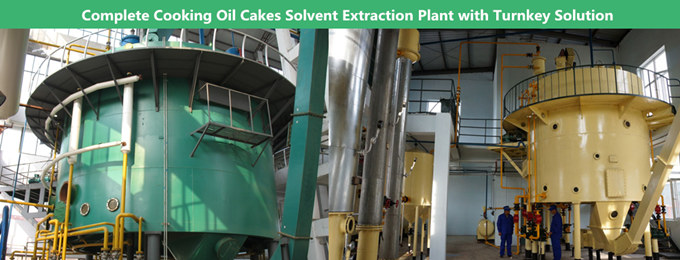
Developing a preventive maintenance checklist tailored to your specific operating conditions can dramatically improve equipment reliability. Successful plants typically schedule daily inspections of critical safety systems, weekly calibration of monitoring instruments, and monthly comprehensive equipment assessments. These practices not only prevent failures but also provide valuable data for optimizing maintenance schedules.
Discover how 企鹅集团's (QIE Group) advanced continuous solvent extraction systems are engineered for exceptional reliability and low maintenance requirements. Our equipment integrates cutting-edge design features that reduce downtime by up to 40% compared to conventional systems.
Request a Free Technical ConsultationRemember that maintenance isn't merely a cost center but an investment in your operation's long-term success. By implementing these proven strategies and leveraging modern equipment design, processors can achieve consistent performance, regulatory compliance, and enhanced profitability in today's competitive global market.