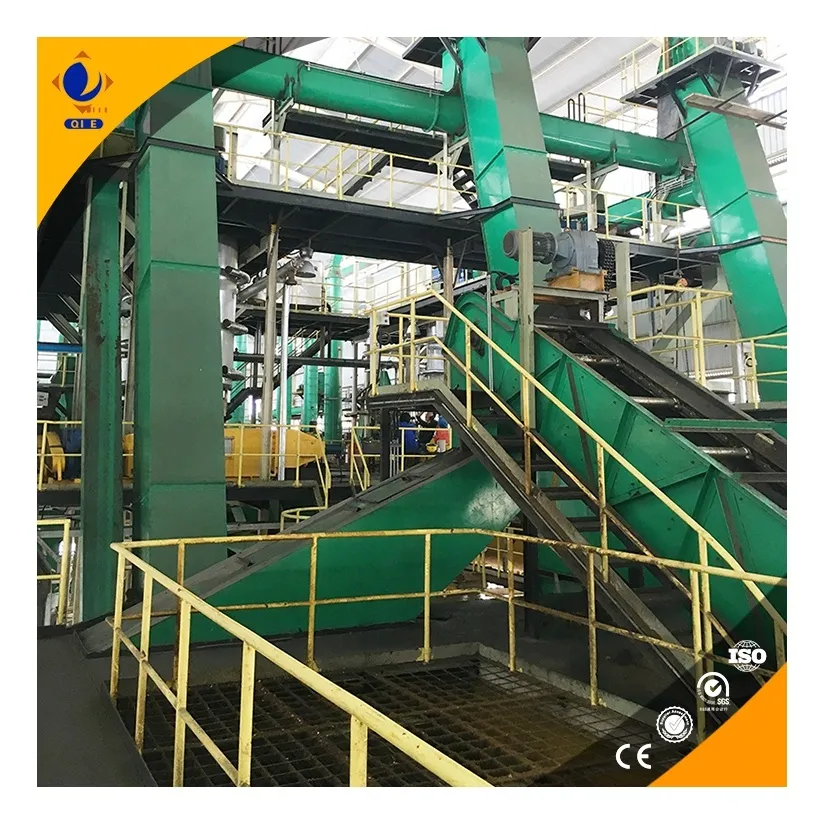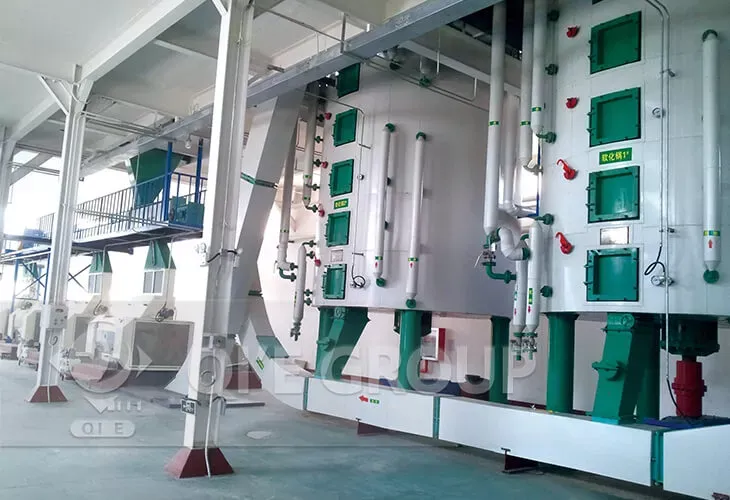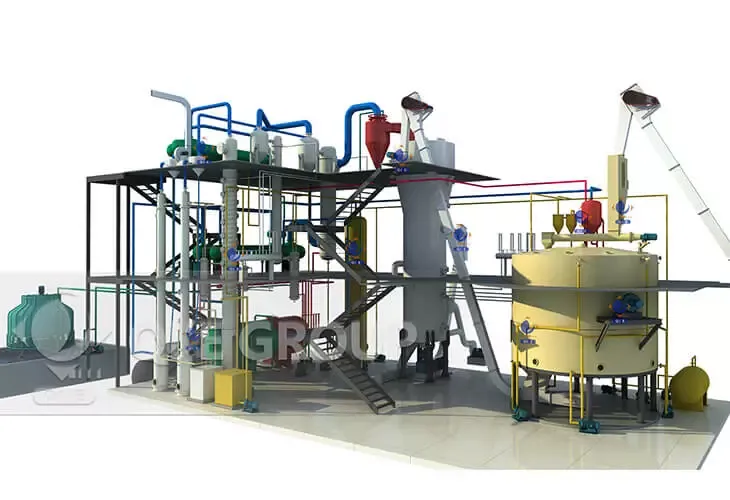
As a plant manager or maintenance engineer, you understand that unplanned downtime in your vegetable oil extraction line can cost your operation $5,000 to $20,000 per hour in lost production. The continuous solvent extraction system, the heart of your oil processing facility, requires meticulous care to maintain peak performance. In this guide, we'll walk you through five critical maintenance steps that industry leaders use to achieve 98%+ equipment uptime and extend machinery lifespan by 30% or more.
Proper lubrication is the lifeblood of your extraction equipment. Each bearing, gear, and moving part has specific requirements that directly impact performance and longevity.
Don't underestimate the importance of regular cleaning. Oil residue buildup can reduce heat transfer efficiency by up to 35% in just two weeks. Implement CIP (Clean-In-Place) procedures for extraction towers every 72 hours, using a 1-2% caustic solution at 75-80°C for optimal results.
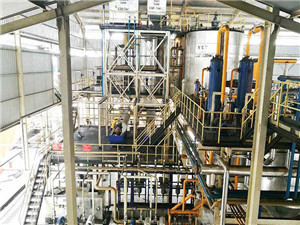
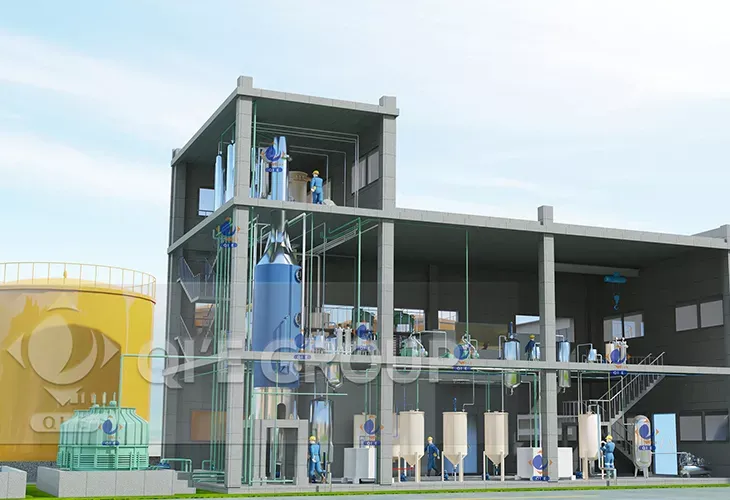
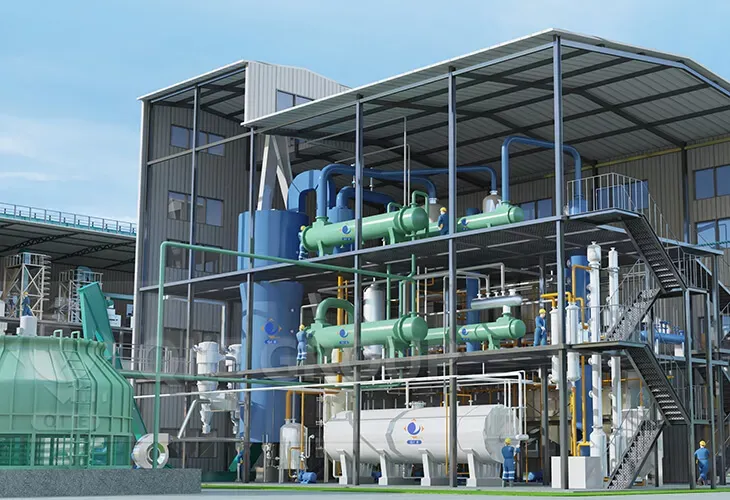
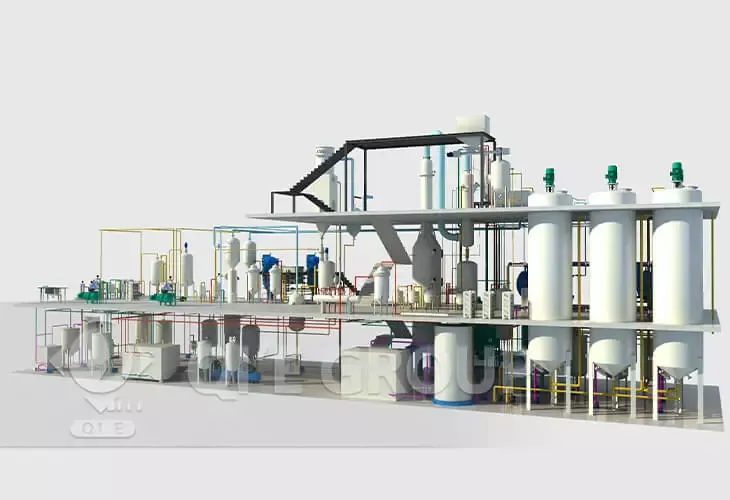
Your extraction system comprises several interdependent components, each requiring specialized attention. Create a maintenance calendar that includes these key checkpoints:
| Component | Daily Inspection | Weekly Inspection | Monthly Inspection |
|---|---|---|---|
| Extraction Tower | Pressure differentials, solvent flow rate | Perforated belt alignment, spray nozzles | Screen integrity, wear plate thickness |
| DTDC System | Temperature profile, steam pressure | Condenser vacuum, condensate quality | Heating coil integrity, bearing condition |
| Solvent Recovery | Condenser temperature, solvent levels | Heat exchanger performance, pump seals | Distillation column packing condition |
Even with proper maintenance, you may encounter performance issues. Here's how to diagnose and resolve the most common problems:
A mid-sized soybean processing plant in Iowa experienced a 12% drop in extraction efficiency over three weeks. Initial checks of solvent-to-flour ratio and temperature settings showed normal parameters. The maintenance team discovered:
After implementing a thorough cleaning, replacing worn parts, and recalibrating the system, extraction efficiency returned to 97.5% within 48 hours.
Working with solvents like hexane requires rigorous safety protocol adherence. OSHA statistics show that 78% of solvent extraction accidents result from inadequate safety system maintenance. Ensure these critical checks:
Beyond basic maintenance, regular efficiency audits can uncover opportunities for improvement. Focus on these key areas:
Solvent recovery efficiency directly impacts operating costs. Monitor your system's solvent-to-oil ratio—aim for less than 0.5kg solvent per kg of oil produced. Simple adjustments like optimizing condenser temperature can reduce solvent losses by 15-20%.
Heat recovery systems often go overlooked. Inspect insulation on all heated vessels monthly; even small gaps can increase energy consumption by 8-12%. Consider implementing heat exchangers between hot and cold streams to recover waste heat.
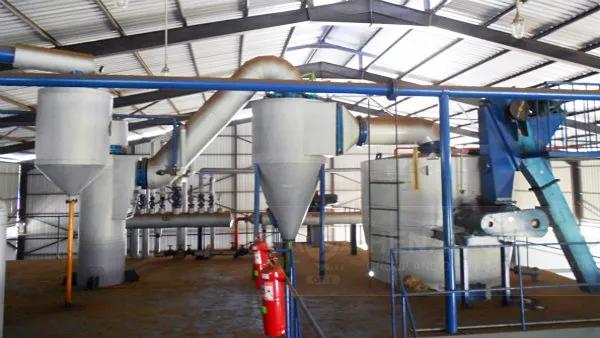
Choosing the right equipment from the start significantly reduces maintenance challenges and operating costs.
Discover Qi'e Group's High-Stability Extraction SystemsEngineered for maximum uptime, energy efficiency, and minimal maintenance requirements
Q: How often should we replace the extraction tower's perforated belt?
A: Under normal operating conditions with proper maintenance, belts should last 6-9 months. However, if processing high-abrasion materials like cottonseed, consider quarterly inspections and possible replacement every 4-5 months.
Q: What's the optimal temperature for solvent recovery condenser?
A: Maintain condenser outlet temperature between 35-40°C for hexane recovery. This balances energy usage and condensation efficiency, typically resulting in 99.5%+ solvent recovery rates.
Q: How can we reduce mechanical seal failures in solvent pumps?
A: Ensure proper alignment during installation (maximum 0.05mm runout), maintain consistent lubrication, and install pressure-balanced seals specifically designed for solvent service. Most facilities using these practices reduce seal failures by 60% or more.