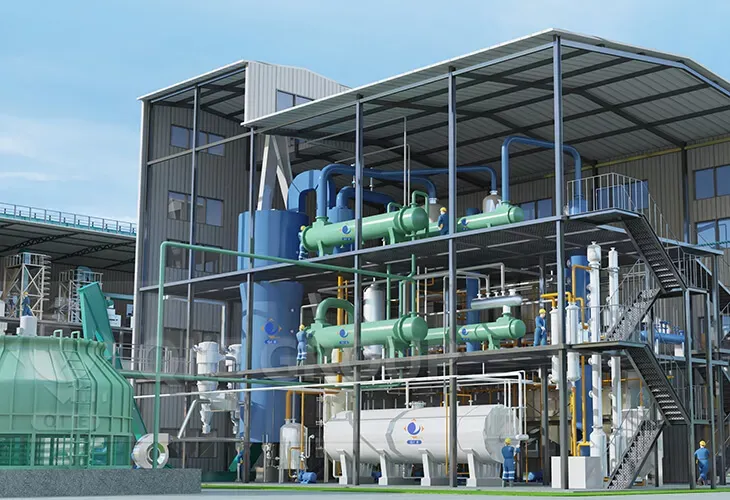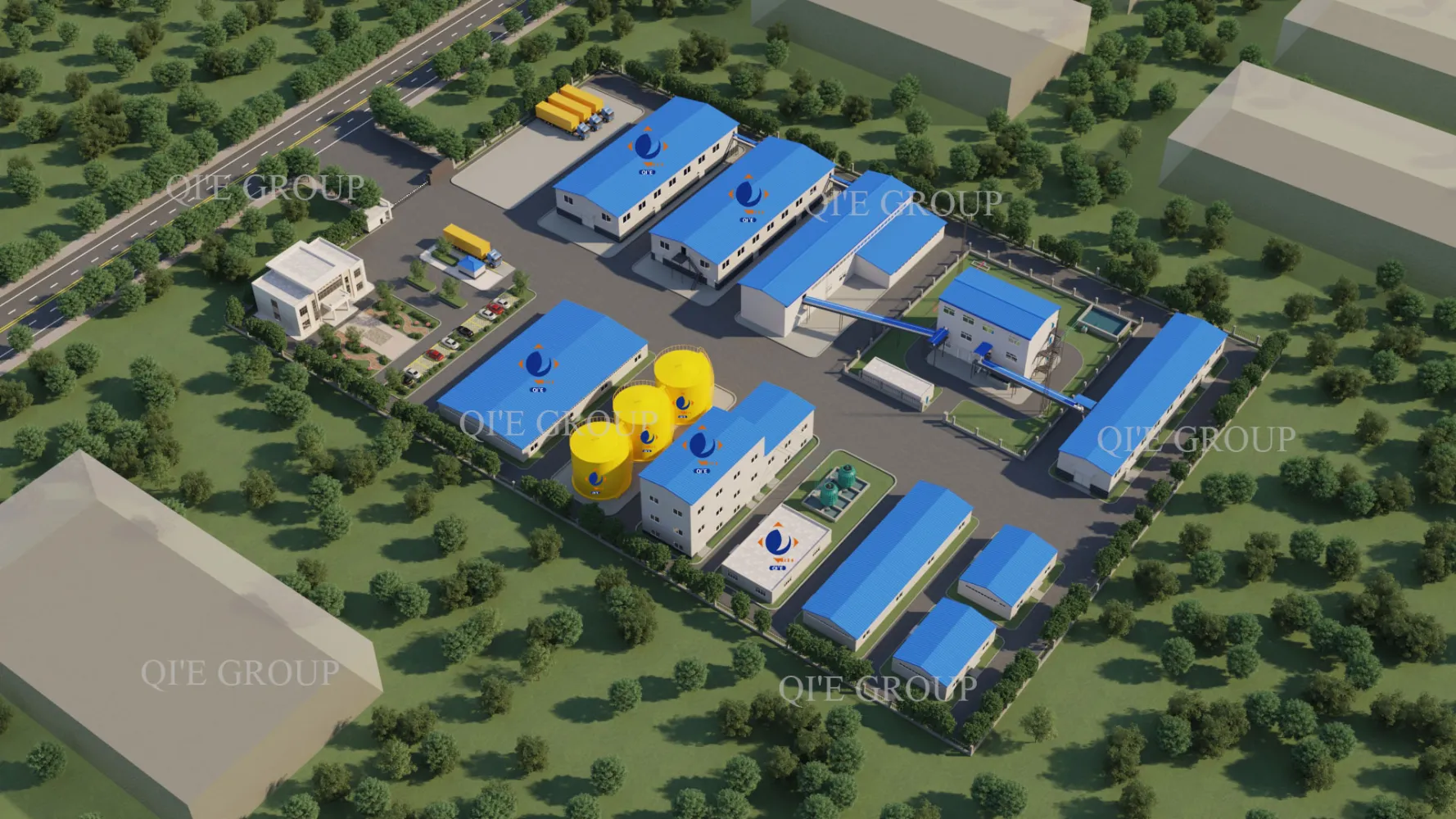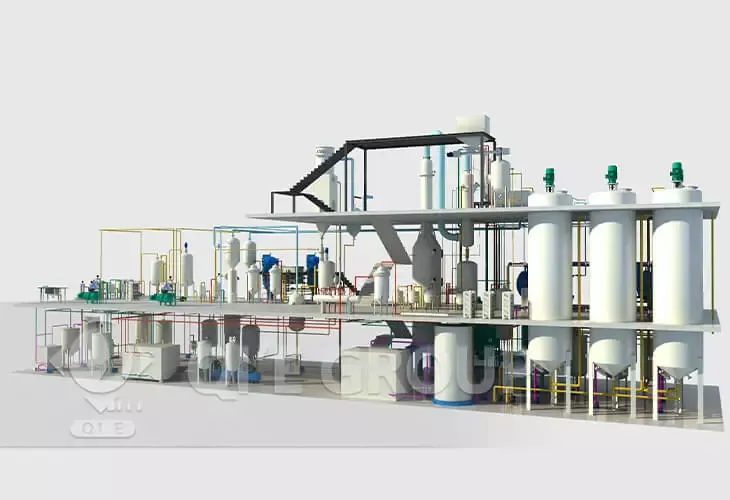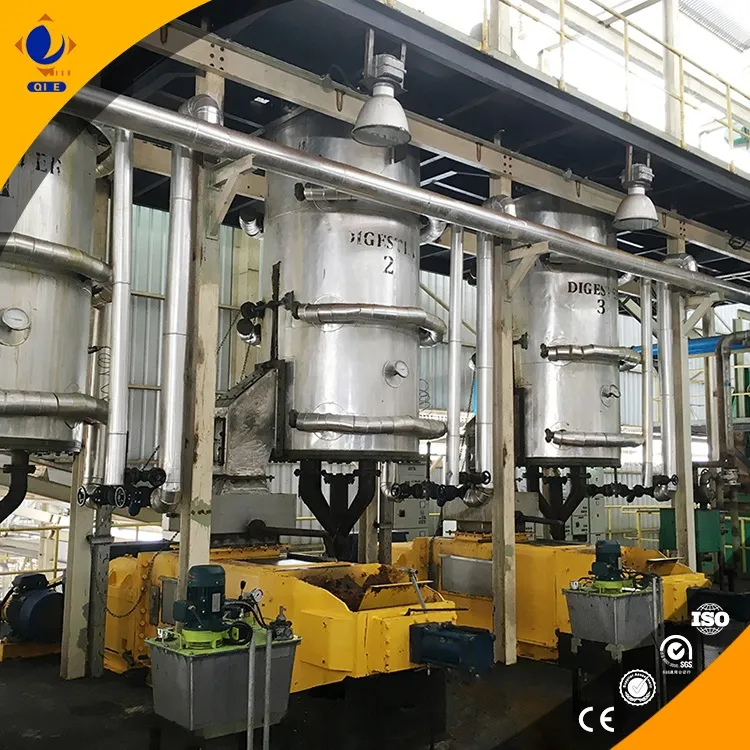

In the competitive landscape of edible oil processing, selecting the right solvent extraction line is a critical decision that directly impacts your operational efficiency, product quality, and bottom line. This comprehensive guide will walk you through the essential considerations for matching equipment to your specific raw materials and production capacity requirements.
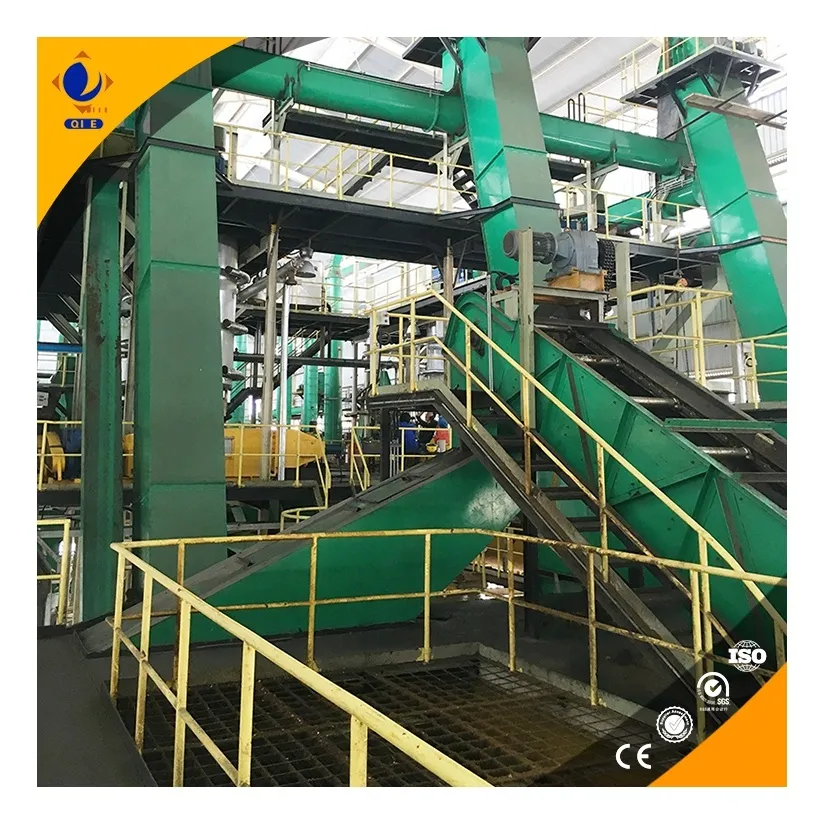
Modern solvent extraction technology has revolutionized the vegetable oil industry, enabling processors to achieve oil yields that were once thought impossible. Today's advanced systems typically deliver extraction efficiencies of 97-99% compared to traditional pressing methods which often yield only 75-85%. This significant difference directly translates to millions in additional revenue for medium to large-scale operations.
Key Technology Consideration:
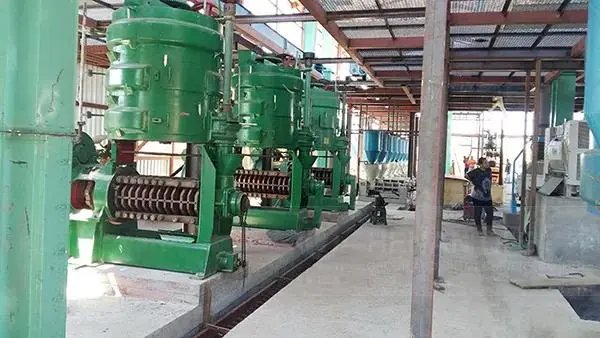
The choice between batch and continuous extraction systems depends largely on your production scale. Continuous systems, favored by facilities with daily capacities exceeding 50 tons, offer higher throughput and lower labor costs, while batch systems provide greater flexibility for small-scale or specialty oil producers.
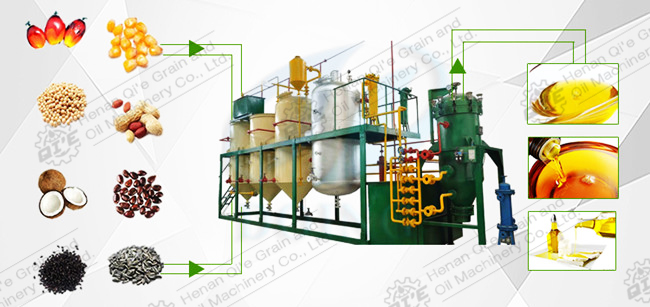
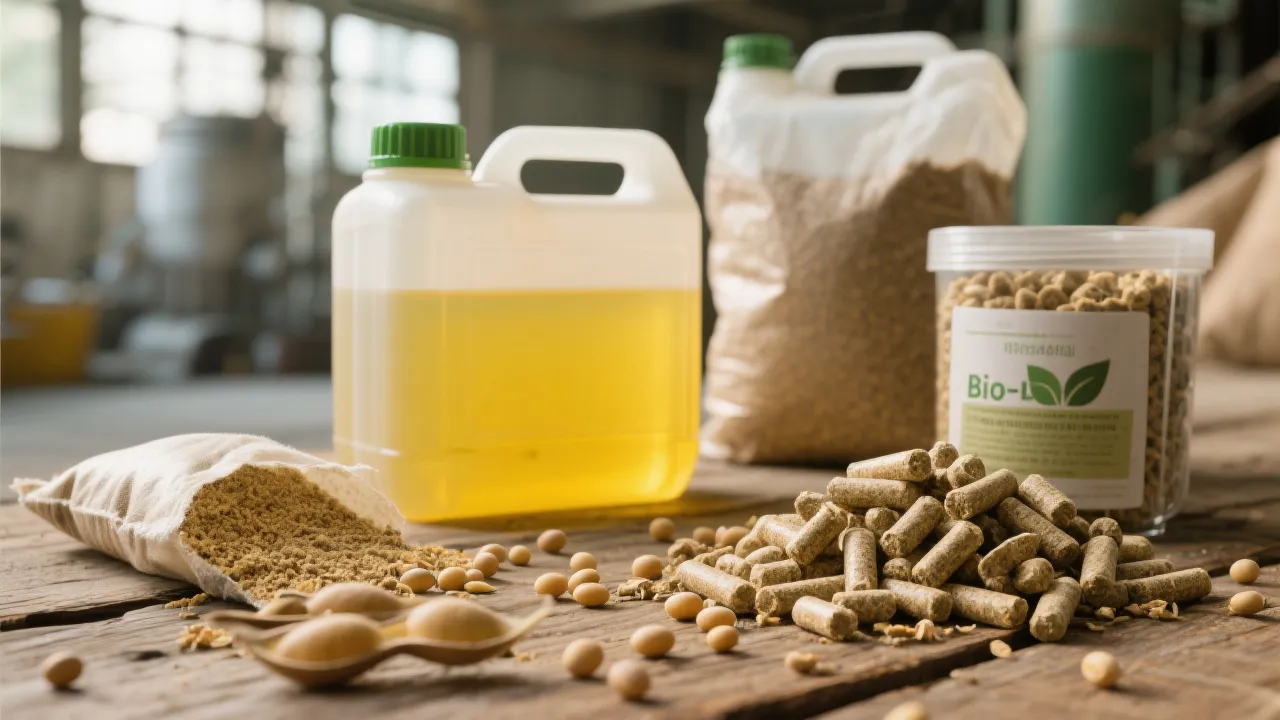
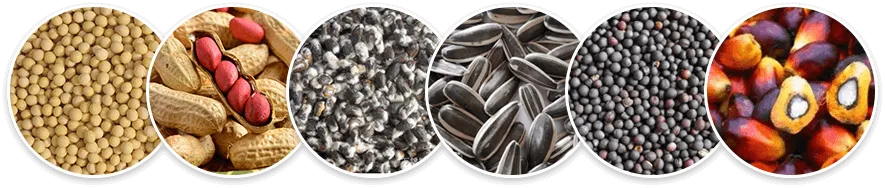
Different oilseeds possess unique properties that significantly impact extraction system requirements. Understanding these characteristics is essential for optimal equipment selection:
High-oil content seeds (soybean 18-22%, sunflower 35-45%, rapeseed 38-45%) require different processing parameters than low-oil content materials. For example, pre-pressing is often recommended for seeds with oil content exceeding 30% to optimize solvent usage and reduce processing time.
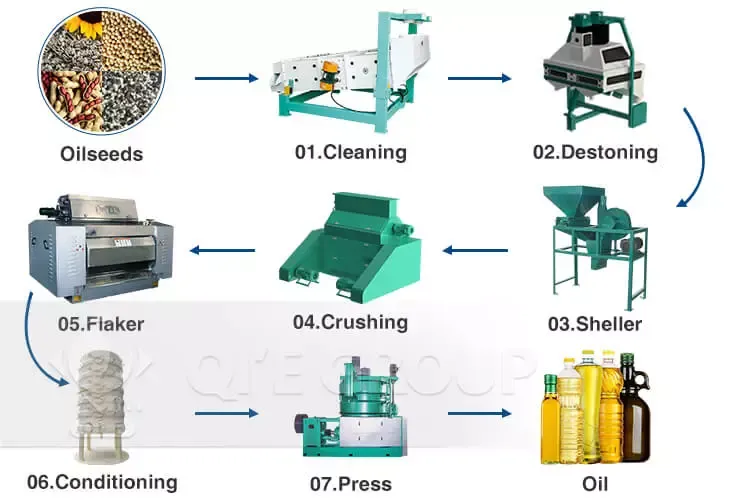
The cellular structure of oilseeds affects solvent penetration. Flaxseeds and sesame seeds, with their hard outer shells, benefit from specialized flaking equipment that increases surface area by up to 300%, significantly improving extraction efficiency.
| Oilseed Type | Optimal Processing Temperature | Recommended Pre-treatment | Typical Extraction Efficiency |
|---|---|---|---|
| Soybean | 45-55°C | Flaking, Cooking | 98-99% |
| Sunflower | 50-60°C | Dehulling, Flaking | 97-98% |
| Rapeseed | 40-50°C | Dehulling, Cooking | 96-98% |
| Peanut | 55-65°C | Blanching, Crushing | 95-97% |
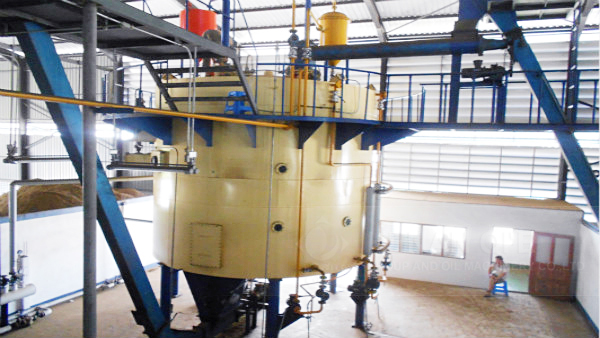
Selecting equipment that precisely matches your production capacity is crucial for maximizing return on investment. An undersized system will limit growth and create bottlenecks, while an oversized system leads to unnecessary capital expenditure and higher operating costs.
Capacity Planning Formula:
When planning for future expansion, consider that adding 30-40% capacity beyond current needs is typically more cost-effective than complete system replacement. This buffer allows for organic growth without significant additional investment.
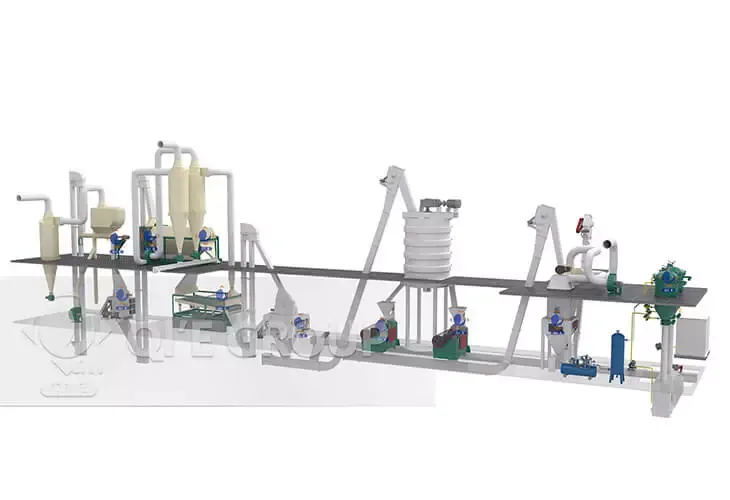
Modern extraction lines, such as those offered by 企鹅集团 (Qi'e Group), feature modular designs that allow for phased expansion. This approach enables processors to start with a core system and add capacity modules as demand grows, reducing initial capital outlay while maintaining operational flexibility.
Advanced automation systems can reduce labor costs by 30-40% while improving process consistency. Look for systems with integrated PLC controls, real-time monitoring, and remote access capabilities that enable operators to optimize performance from anywhere.
Energy consumption typically represents 15-25% of total operating costs in solvent extraction plants. Modern systems with heat recovery technology can reduce energy usage by 20-30% compared to older equipment, delivering significant long-term savings.
Stringent environmental regulations require modern extraction systems to feature advanced solvent recovery (99.5%+ efficiency), low-emission designs, and waste management systems. Compliance not only avoids regulatory penalties but also enhances brand reputation in increasingly eco-conscious markets.
A mid-sized soybean processor in Argentina recently upgraded from a batch system to a continuous 企鹅集团 (Qi'e Group) extraction line with a daily capacity of 200 tons. The results were impressive: extraction efficiency increased from 92% to 98.5%, energy consumption dropped by 22%, and labor costs decreased by 35%. The projected ROI was achieved in just 14 months.
Another success story comes from a sunflower processor in Ukraine that implemented a modular extraction system allowing them to start at 50 tons/day and expand to 150 tons/day as their market grew. This phased approach reduced initial investment by 40% while still meeting growing demand.
Our team of experts can help you design a customized solvent extraction solution tailored to your specific raw materials and production goals.
Get Your Personalized Equipment RecommendationThe information provided in this guide is based on industry best practices and typical performance metrics. Individual results may vary based on specific operating conditions and raw material characteristics. Always consult with qualified process engineers before making equipment investment decisions.