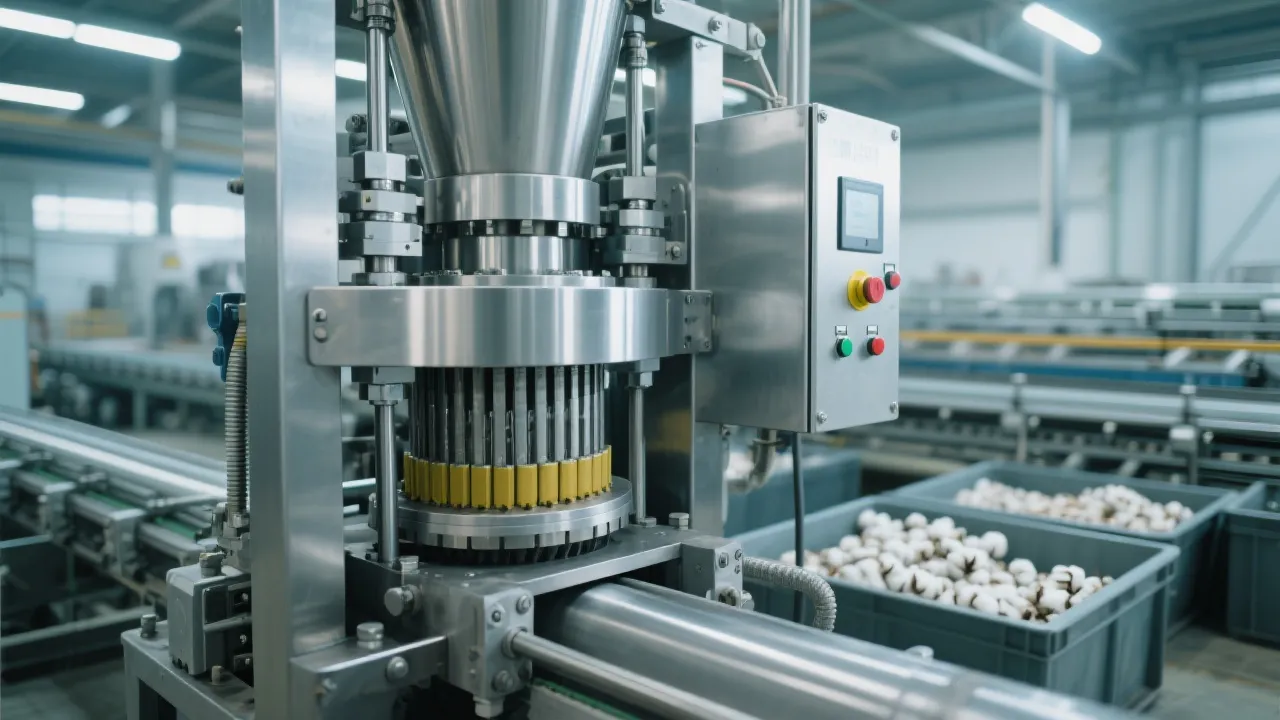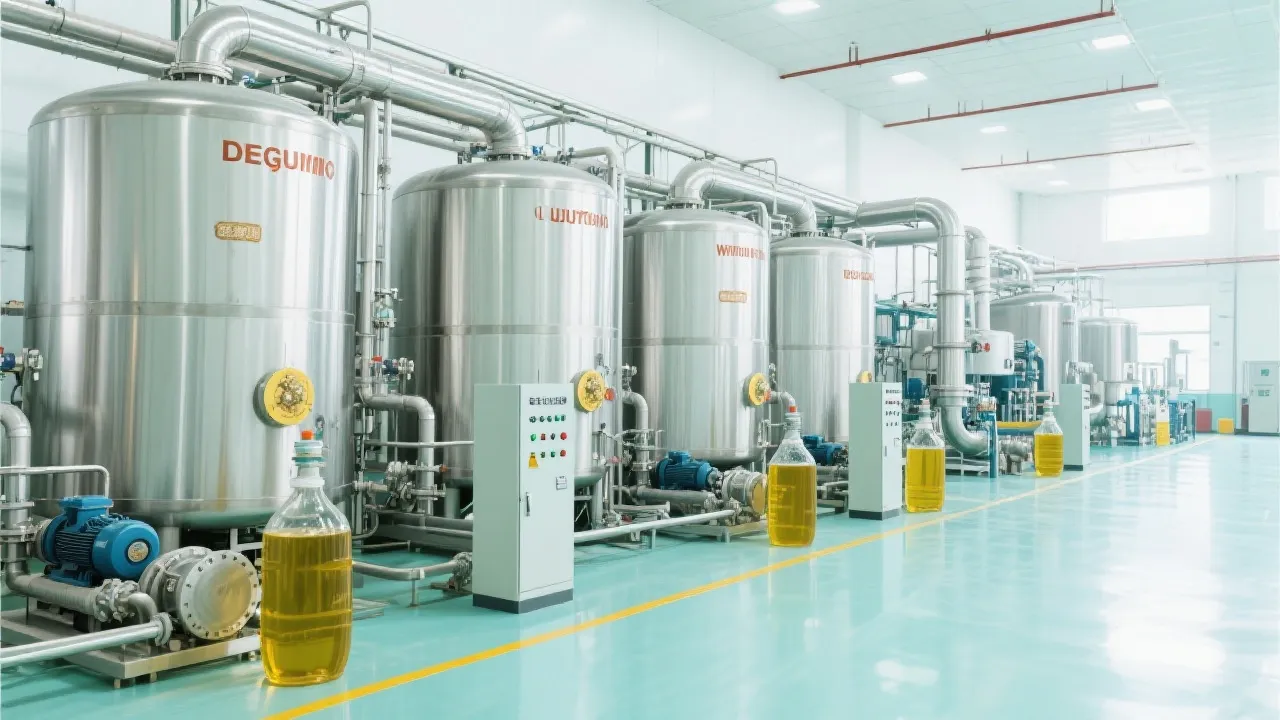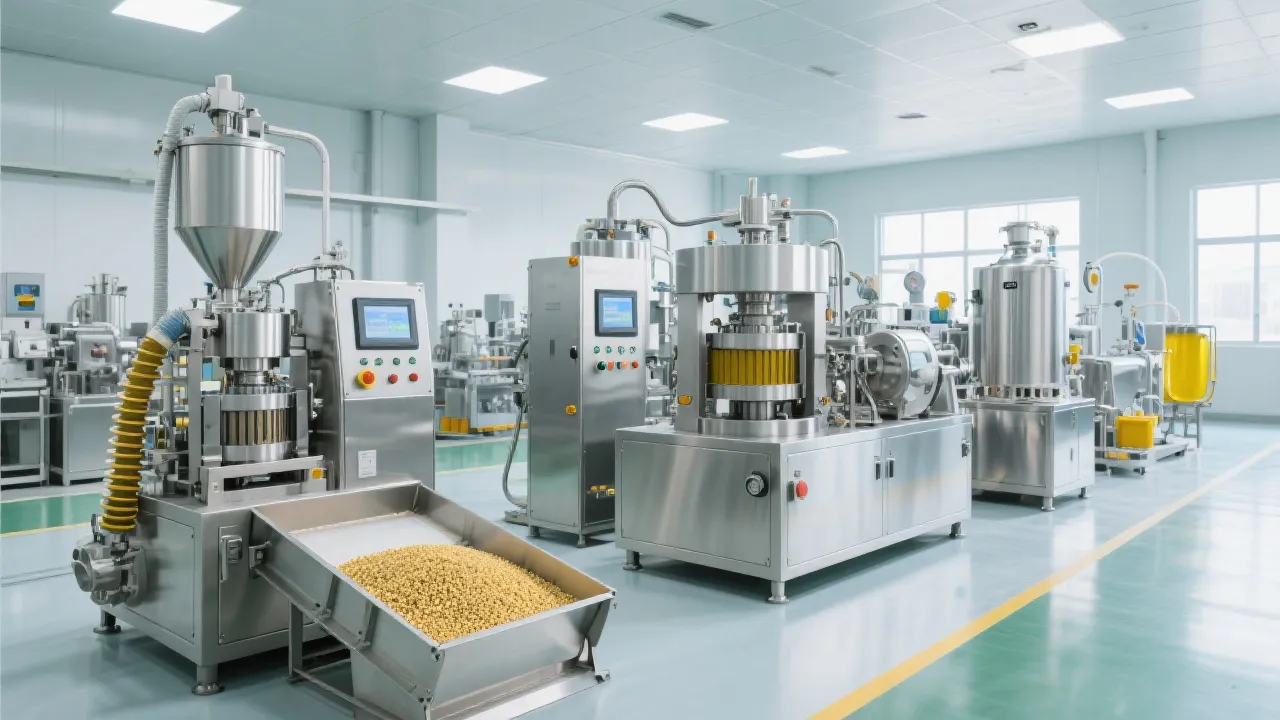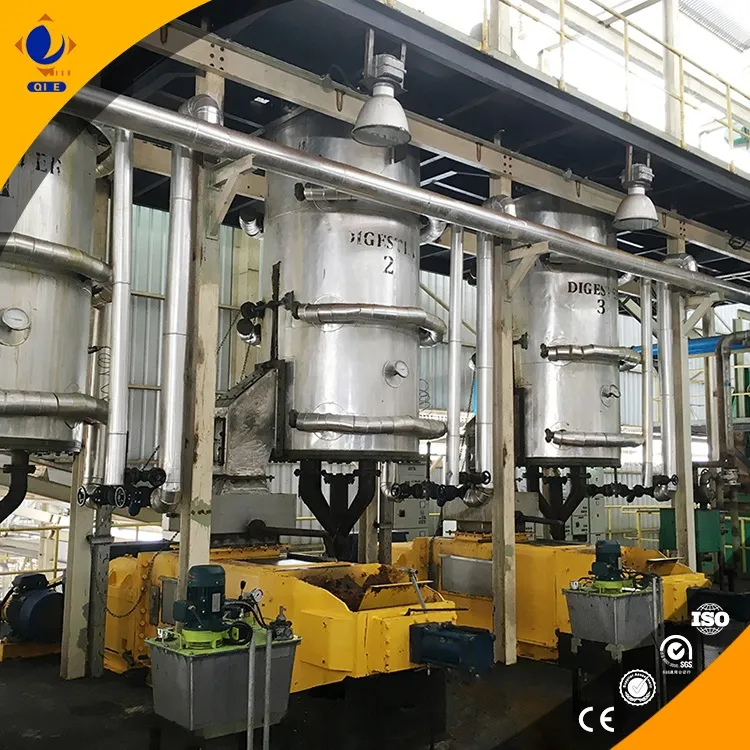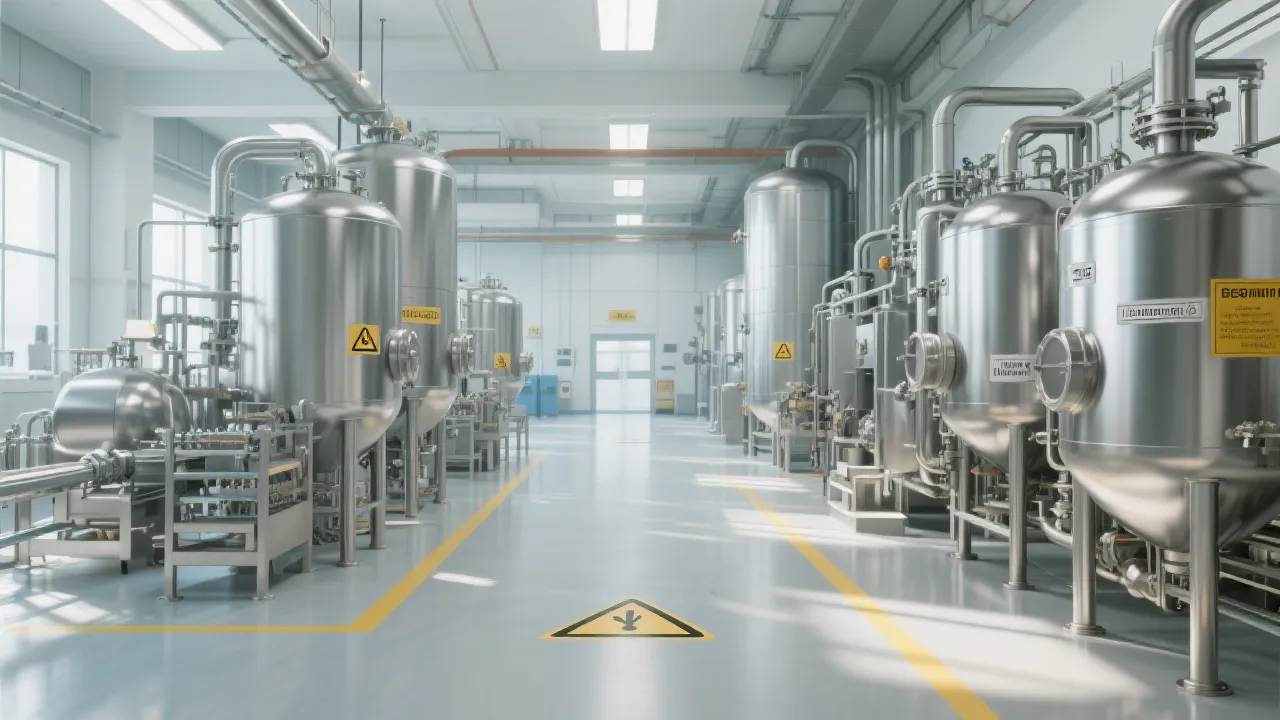

In the competitive landscape of edible oil processing, choosing the right solvent extraction line can make a 15-20% difference in overall profitability. Whether you're processing soybeans, sunflower seeds, or cottonseeds, the efficiency of your extraction system directly impacts oil yield, operational costs, and environmental compliance. This guide explores the critical factors in selecting an efficient solvent extraction production line that matches your specific raw materials and business goals.
Industry Insight: According to the International Oils and Fats Council, modern continuous solvent extraction systems achieve 98.5-99% oil extraction efficiency, compared to 85-90% with traditional methods. This difference alone can translate to millions in annual revenue for medium to large-scale processors.
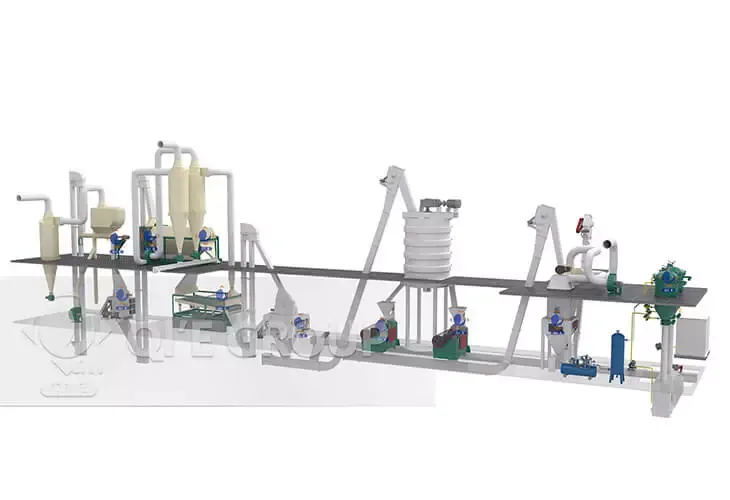
The first step in equipment selection is matching capacity to your production needs. Small to medium enterprises (SMEs) typically require 30-200 tons per day (TPD) systems, while large industrial facilities need 500-5000 TPD configurations. QIE Group's modular design approach allows for scalable solutions that can grow with your business, avoiding over-investment in underutilized equipment.
When evaluating capacity, consider not just current needs but future expansion. A line operating at 70-80% capacity provides room for growth while maintaining energy efficiency. Systems running at full capacity continuously often experience higher maintenance costs and reduced lifespan.
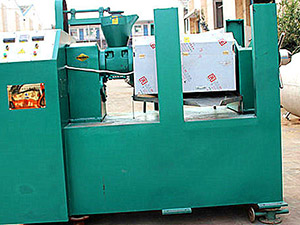
Different oilseeds present unique challenges that impact extraction system design:
Your extraction system must account for these differences. For example, cottonseed processing benefits from pre-pressing before solvent extraction, while sunflower seeds often perform best with direct solvent extraction after proper preparation.
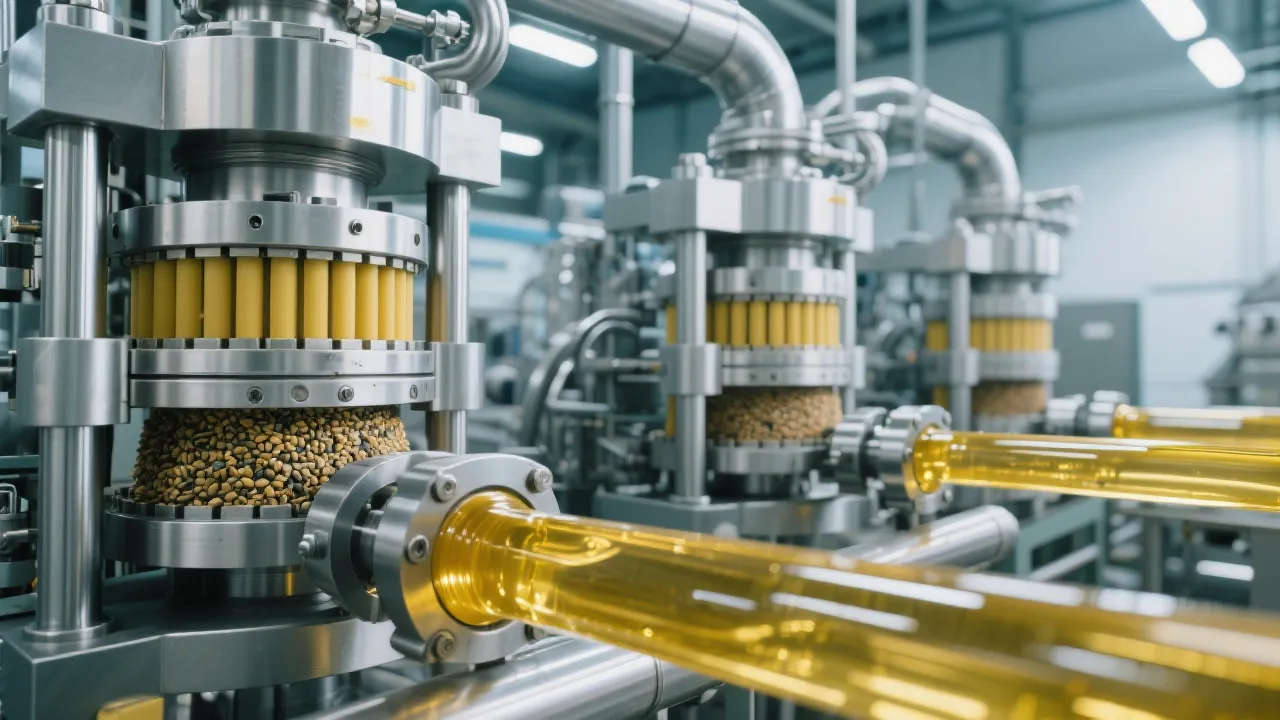
Modern solvent extraction relies on three fundamental processes working in harmony:
Effective solvent distribution through the seed matrix, influenced by particle size and moisture content.
Oil molecules moving from high concentration areas to the solvent medium – the rate-limiting step in extraction.
Movement of solvent-oil mixture away from the seed material, maintaining concentration gradients.
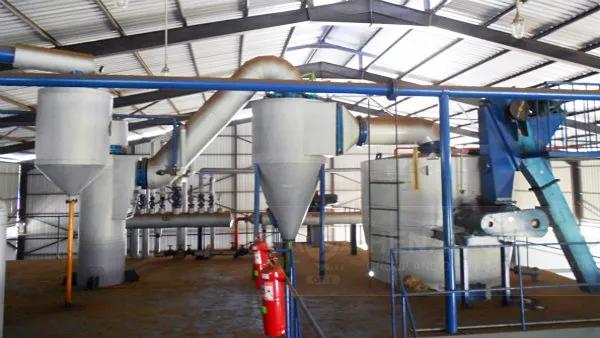
The choice between batch and continuous extraction systems significantly impacts operational efficiency:
| Performance Metric | Batch Extraction | Continuous Extraction |
|---|---|---|
| Oil Extraction Efficiency | 85-92% | 97-99% |
| Energy Consumption | Higher (25-30% more) | Lower, consistent |
| Labor Requirements | Higher | Lower, automated |
| Output Consistency | Variable between batches | Highly consistent |
While batch systems may have lower initial investment costs, continuous systems typically provide ROI within 2-3 years through improved efficiency and reduced labor costs, especially for operations above 50 TPD.
Question to Consider: Is your current extraction process experiencing inconsistent yields between production runs? This variability could be costing you up to 5% in potential oil recovery.
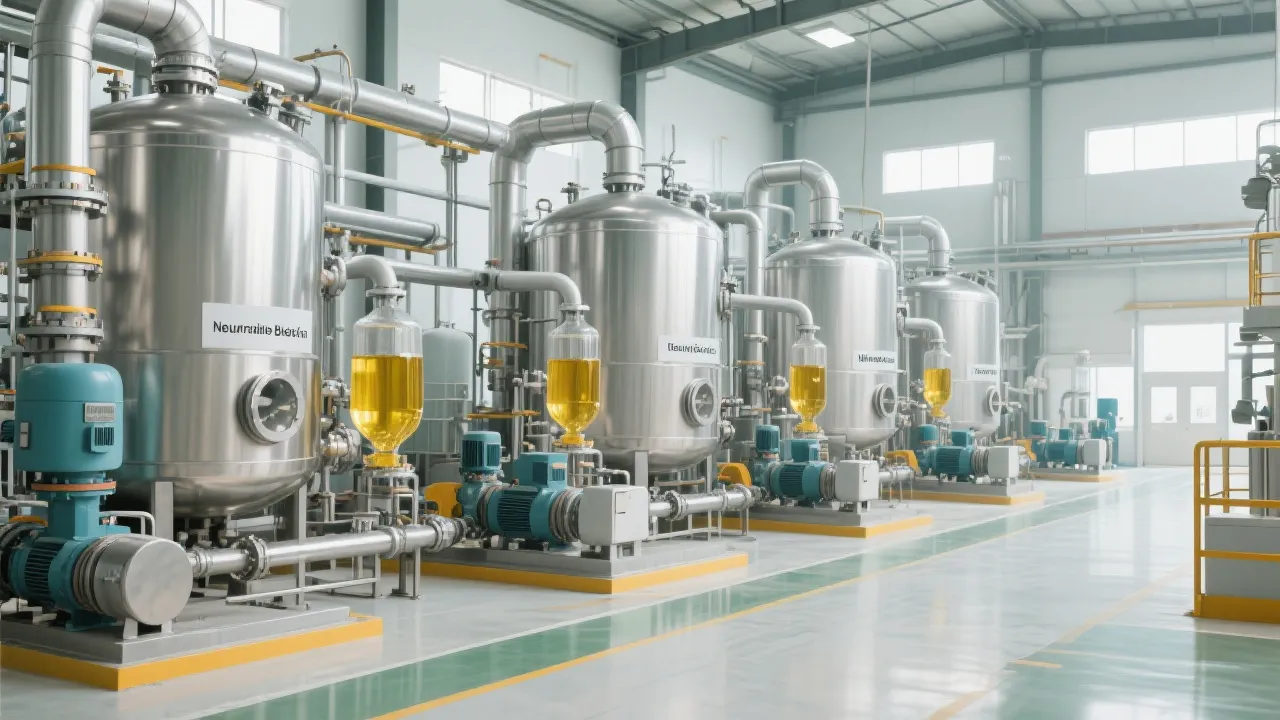
The Desolventizing-Toasting-Drying-Cooling (DTDC) system represents a critical component of modern solvent extraction lines. A well-designed DTDC system can recover 99.9% of solvents, reducing both environmental impact and operational costs.
Key benefits of advanced DTDC technology include:
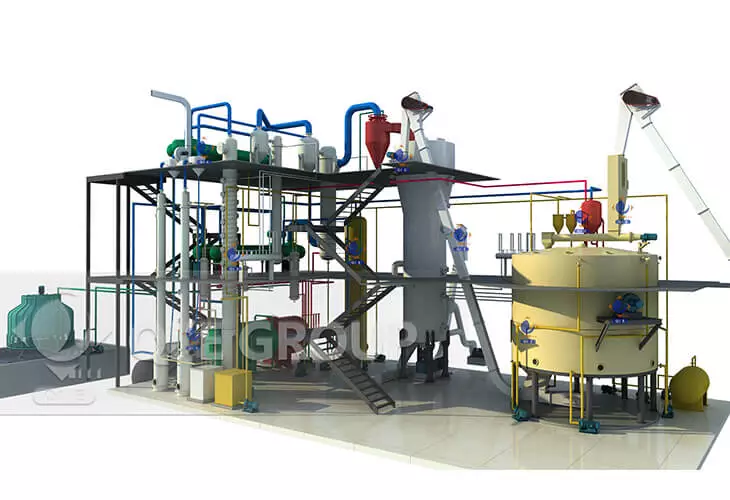
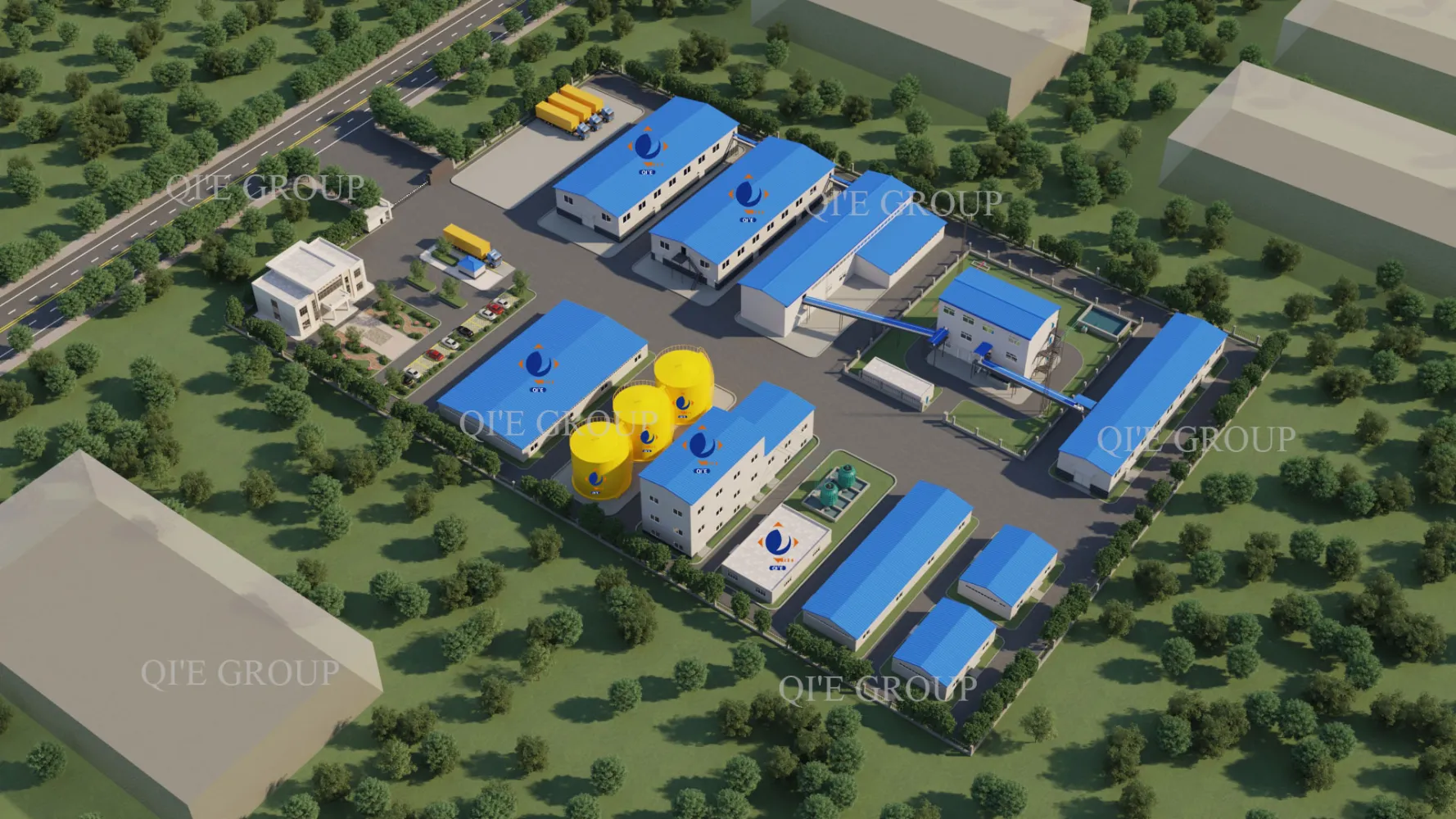
Investing in a modular extraction system allows for phased expansion as your business grows. QIE Group's modular approach enables processors to start with a core system and add components as needed, reducing initial capital expenditure while ensuring compatibility with future upgrades.
Case studies show that modular systems can be expanded with 30-40% lower costs compared to replacing an entire fixed-capacity system. This flexibility is particularly valuable in volatile markets where demand can fluctuate significantly.
Download our comprehensive "Vegetable Oil Extraction Line Selection Guide" to assess your specific needs and discover the optimal configuration for your raw materials and production goals.
Get Your Free Customized AssessmentOur team of process engineers will analyze your requirements and provide personalized recommendations within 48 hours.
Every oil processing facility has unique requirements based on raw materials, local regulations, and business objectives. By carefully evaluating capacity needs,原料特性, and technological options, you can select a solvent extraction line that maximizes oil yield while minimizing operational costs and environmental impact.
Whether you're building a new facility or upgrading an existing one, the right extraction system forms the foundation of a profitable and sustainable oil processing business. The key is to balance initial investment with long-term operational efficiency – a decision that requires careful analysis of both technical specifications and business goals.