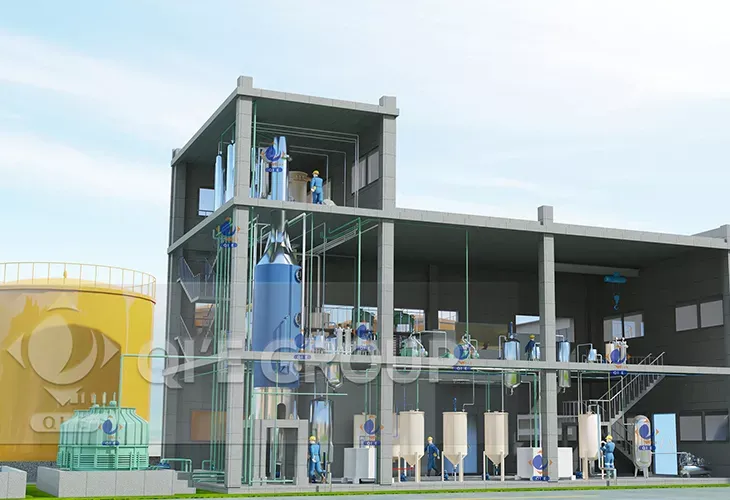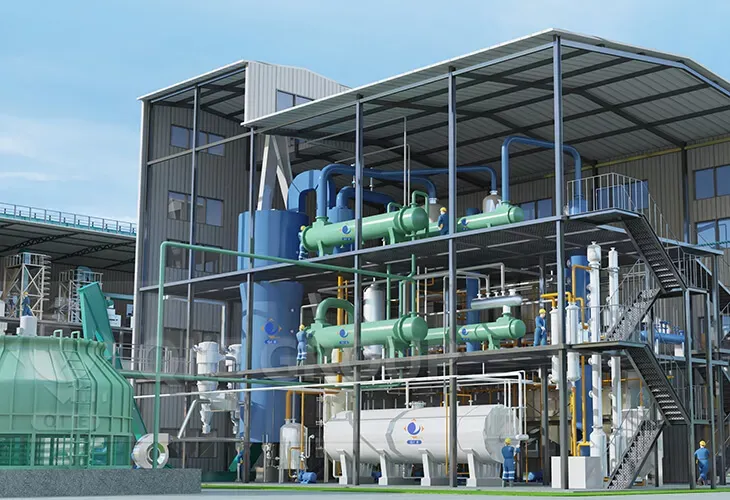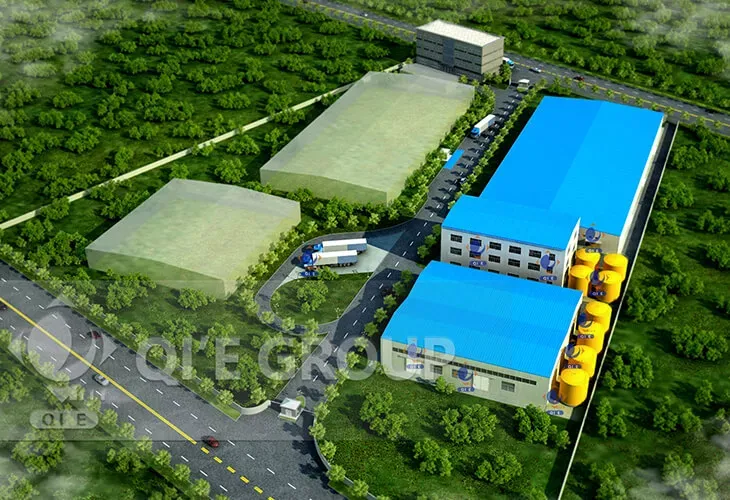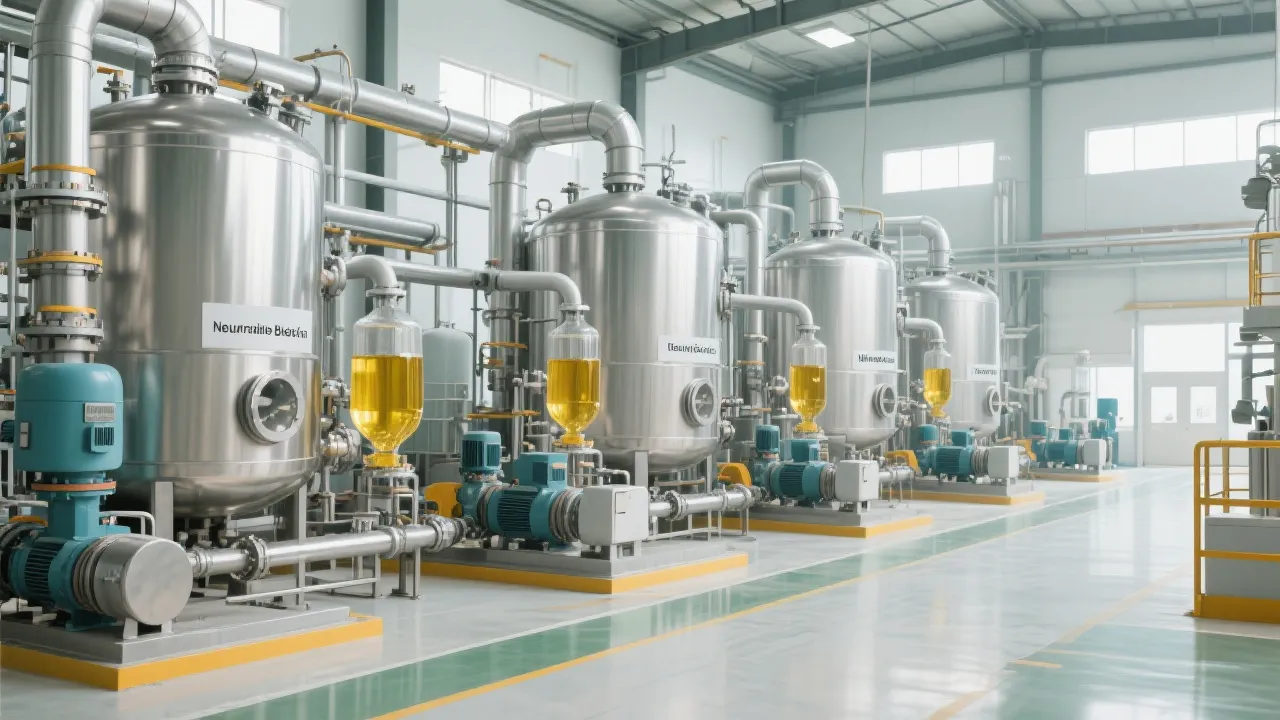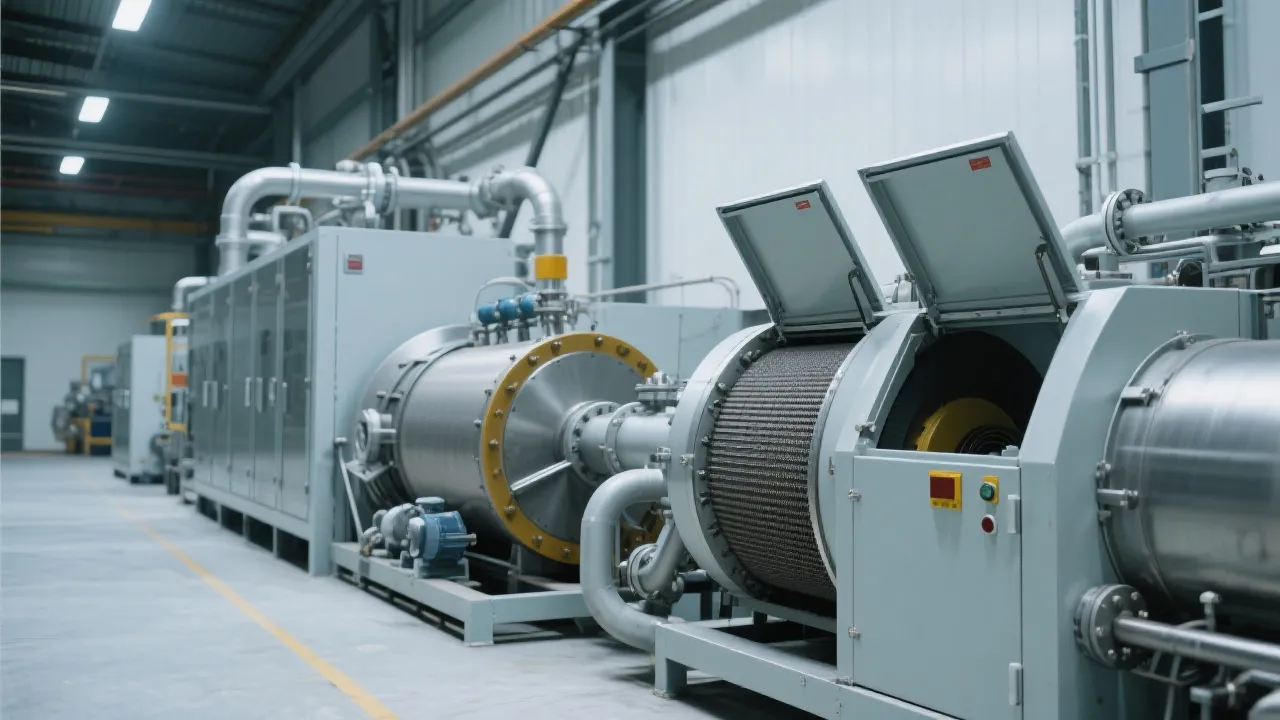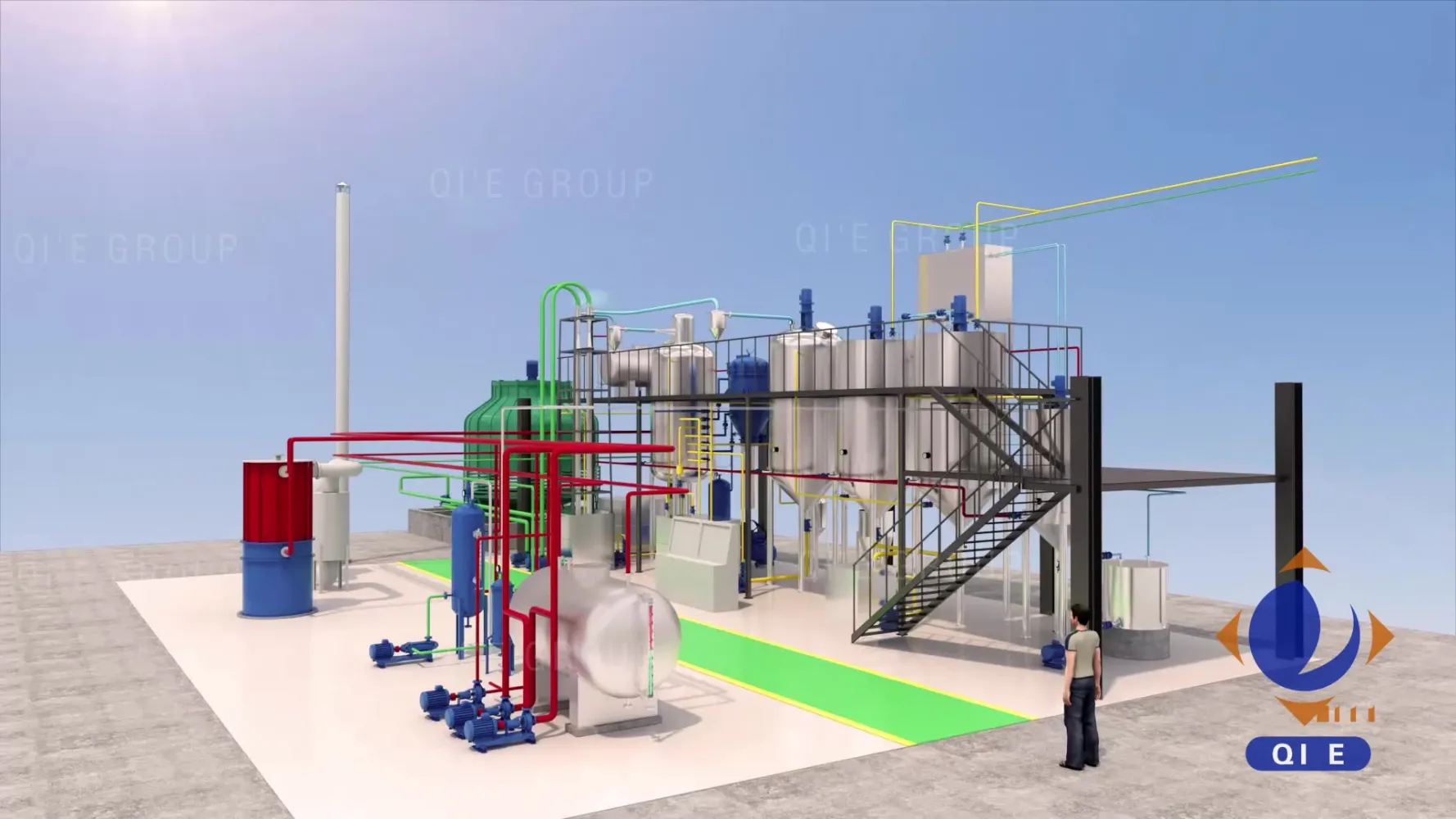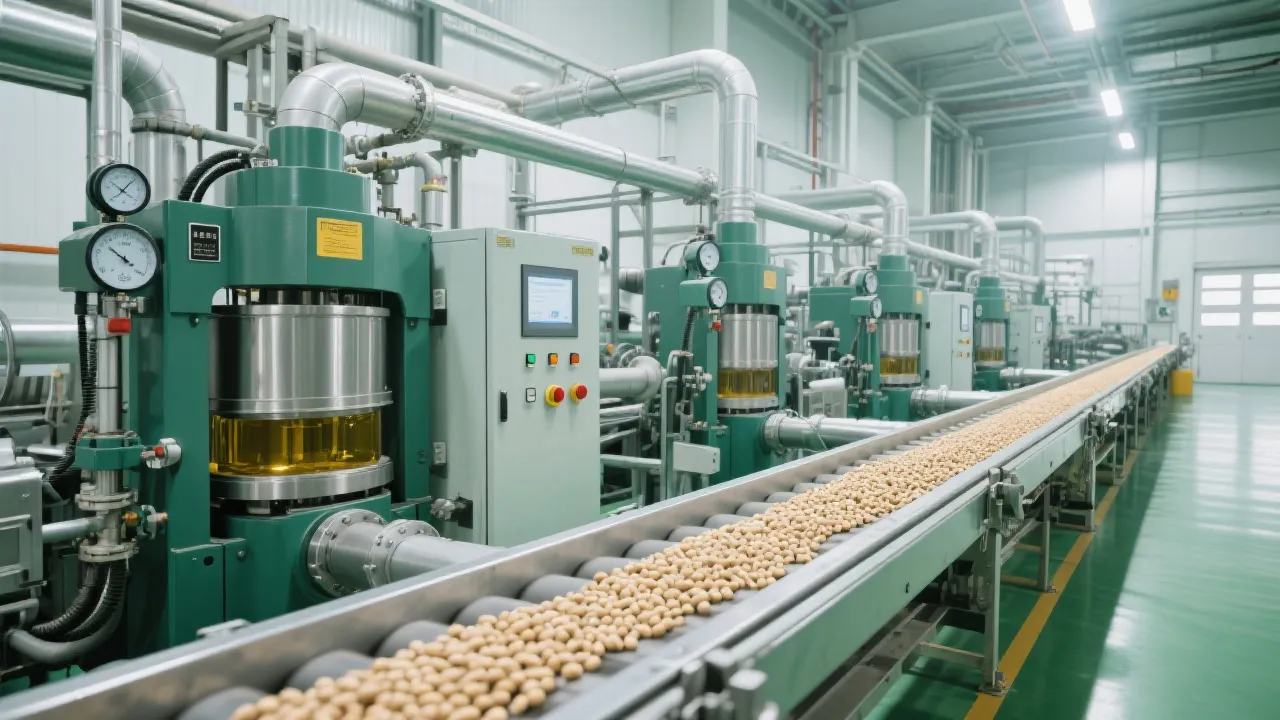
As the global demand for vegetable oils continues to rise—projected to reach 240 million metric tons by 2025 according to industry reports—oil processors face increasing pressure to maximize extraction efficiency while minimizing operational costs and environmental impact. Solvent extraction remains the most widely used method for vegetable oil production, accounting for approximately 85% of global edible oil processing. This comprehensive guide explores the critical factors in selecting solvent extraction equipment that balances productivity, sustainability, and profitability.
Solvent extraction technology uses food-grade solvents to separate oil from oilseeds, achieving extraction rates typically between 97-99%—significantly higher than mechanical pressing alone, which averages 85-90%. The process involves three primary stages: preparation (cleaning, dehulling, flaking), extraction (solvent-oil mixture formation), and desolventizing-toasting (solvent removal and meal preparation).
However, oil processors worldwide face common challenges: high energy consumption (accounting for 30-40% of total operational costs), solvent recovery inefficiencies, and increasingly stringent environmental regulations regarding volatile organic compound (VOC) emissions.
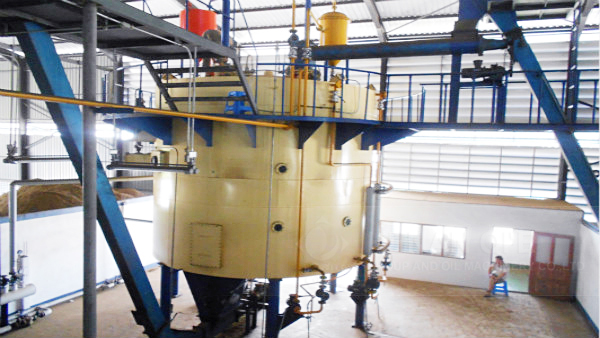
Choosing appropriately sized equipment is critical for optimizing return on investment. QIE Group offers scalable solutions from 30 tons per day (TPD) for small-scale operations up to 5000 TPD for large industrial complexes. The key is aligning capacity with both current需求 and future expansion plans.
| Capacity Range | Typical Configuration | Ideal For | Space Requirement |
|---|---|---|---|
| 30-100 TPD | Batch or semi-continuous extraction | Regional oil producers, specialty oils | 500-800 m² |
| 100-500 TPD | Continuous extraction with standard recovery | Medium-scale processors, multi-oil production | 800-1500 m² |
| 500-5000 TPD | Fully automated continuous system | Large industrial complexes, vertically integrated operations | 1500-5000 m² |
When evaluating solvent extraction equipment, focus on these critical metrics:
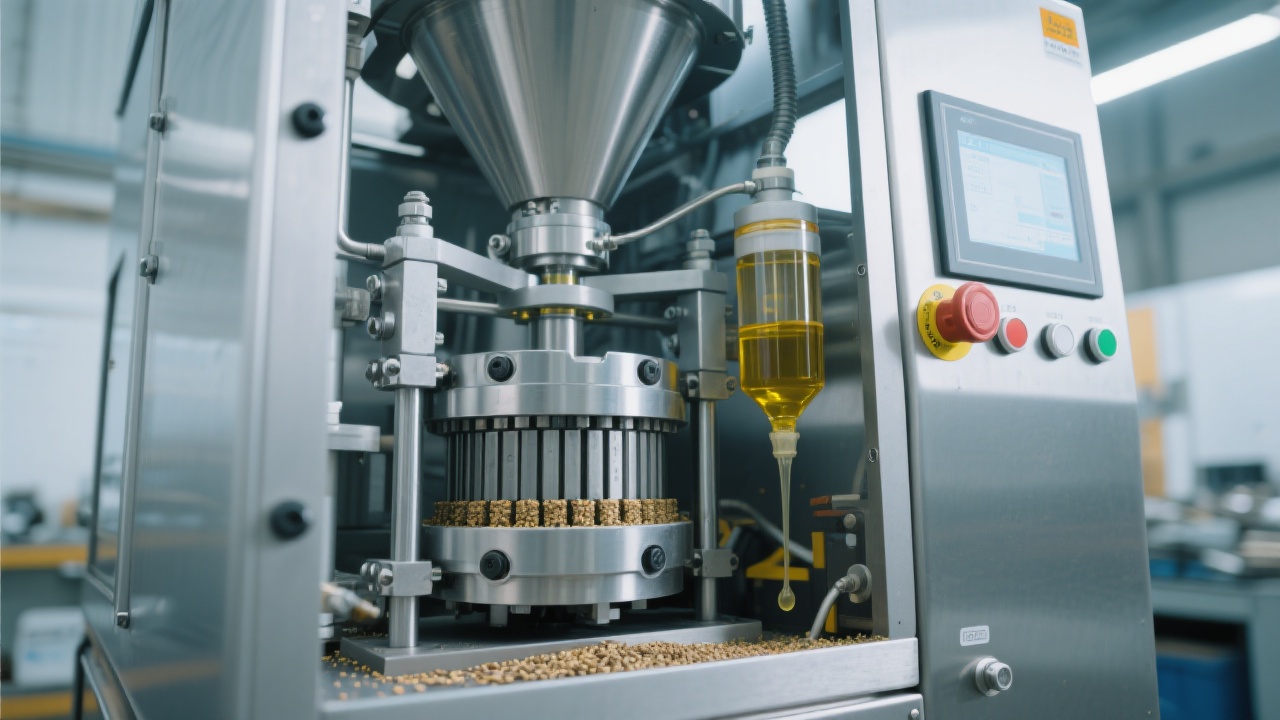
Modern solvent extraction plants must adhere to strict environmental regulations. QIE Group systems incorporate several key design elements to ensure compliance:
VOC Emission Control: Advanced condensation systems combined with activated carbon adsorption reduce VOC emissions to less than 50 ppm, meeting even the most stringent European and North American standards. The double-stage condensation process captures 99.7% of solvent vapors before they reach the atmosphere.
Energy Recovery Systems: Heat exchangers recover waste heat from the desolventizing process, reducing overall energy consumption by 25-30%. This not only lowers operational costs but also reduces the carbon footprint of production.
"After upgrading to QIE Group solvent extraction system, we reduced our solvent consumption by 18% and cut energy costs by $120,000 annually while improving extraction efficiency by 1.2%—which translated to an additional 450 tons of oil production per year."
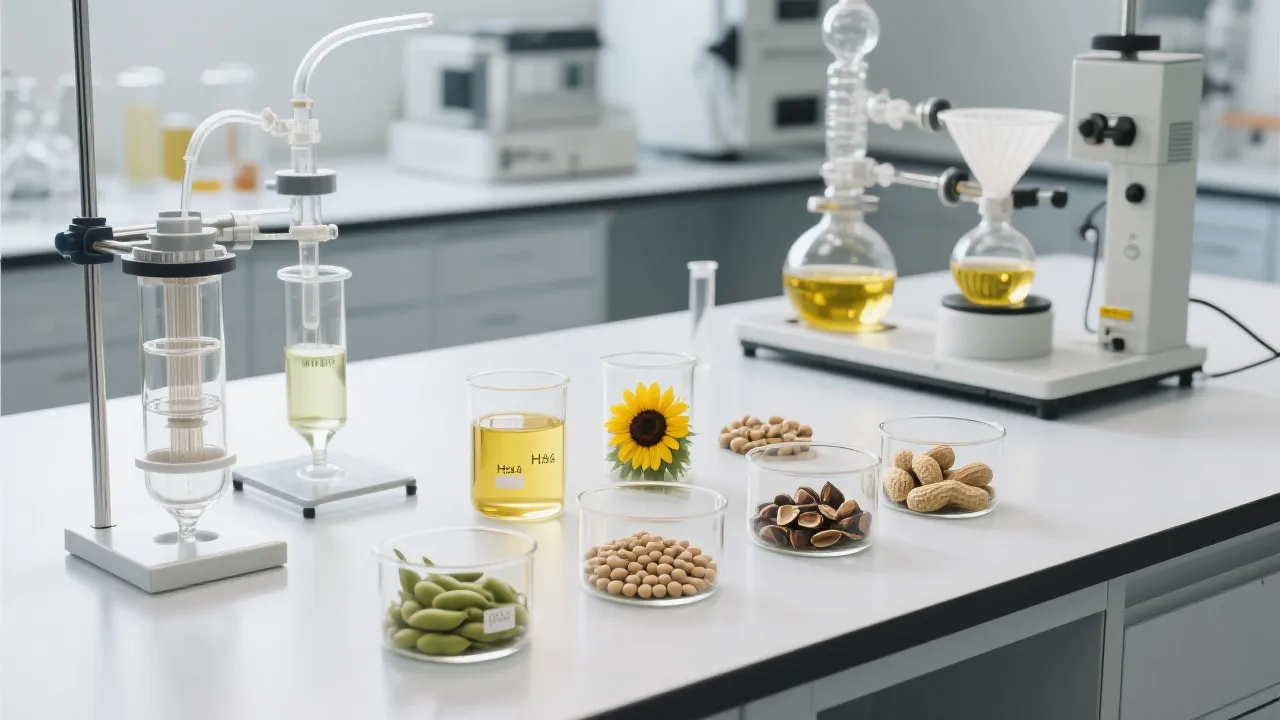
One of the significant advantages of modern extraction systems is their ability to process multiple oilseeds with minimal reconfiguration. QIE Group modular design allows processors to switch between soybeans, sunflower seeds, cottonseeds, rapeseeds, and other oil-bearing materials with simple adjustments to the flaking, cooking, and extraction parameters.
The system's adaptive control software includes pre-programmed recipes for common oilseeds, reducing changeover time to less than 4 hours between different feedstocks. This flexibility is particularly valuable for processors serving diverse markets or those looking to expand their product portfolio.
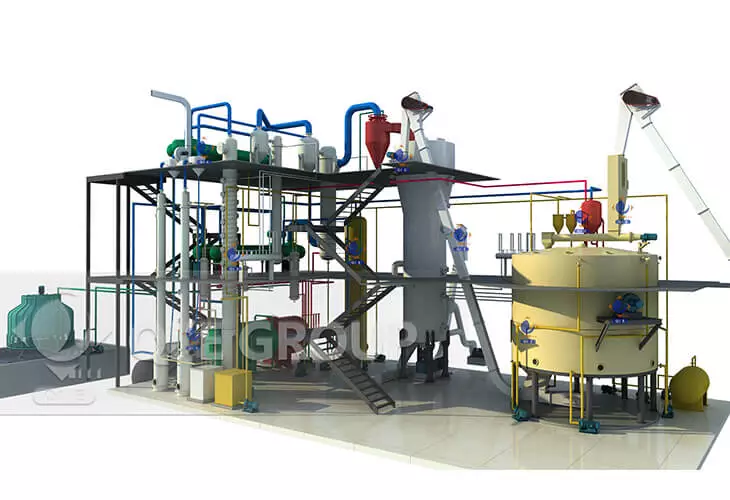
A mid-sized European oil processor with a 300 TPD capacity faced challenges with inconsistent extraction rates and high energy costs. After implementing QIE Group advanced solvent extraction system with optimized hexane condensation and heat recovery technology, they achieved:
The next generation of solvent extraction systems is being shaped by two key trends: intelligent process control and sustainability innovations. Industry leaders are integrating AI-powered process optimization that continuously adjusts parameters based on real-time feedstock analysis, resulting in even more consistent extraction rates and reduced waste.
Emerging technologies include novel solvent recovery systems, waste heat-to-energy conversion, and the integration of renewable energy sources. These advancements are helping processors achieve carbon-neutral operations while maintaining profitability.
Many oil processors are leaving significant value on the table through outdated equipment and inefficient processes.
Our technical team will provide a personalized analysis of your current operation and identify opportunities for:
Increase yield by 0.5-2.0%
Reduce consumption by 20-35%
Meet strictest global standards
With over three decades of experience in designing and implementing solvent extraction solutions worldwide, QIE Group combines technical expertise with practical operational knowledge to deliver systems that maximize productivity while minimizing environmental impact. Whether you're building a new facility or upgrading an existing plant, the right equipment selection is crucial to achieving long-term profitability in the competitive vegetable oil processing industry.