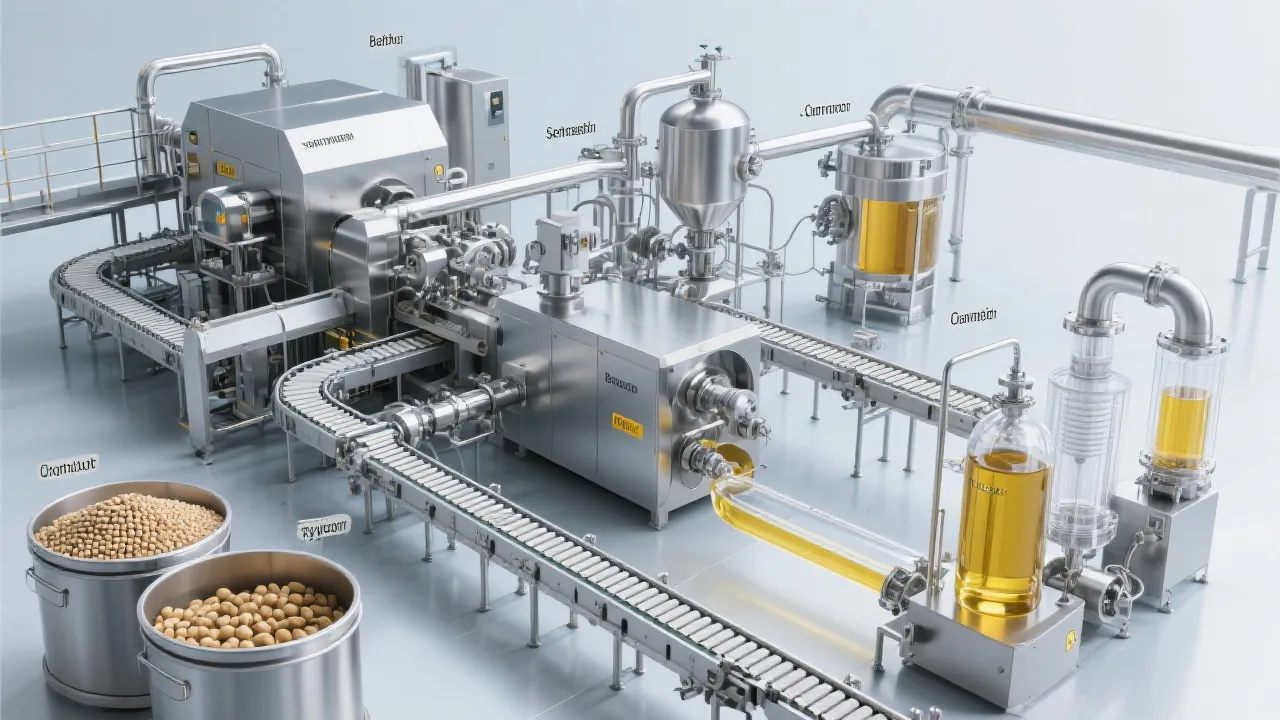
Ensuring the quality of dewaxed oils is pivotal within the edible oil industry, where consistent product attributes directly affect brand reputation and market competitiveness. Key quality indicators such as acid value (AV), color stability, cloud point, wax content, and flowability define the oil’s suitability for further processing and consumer use. This guide offers an in-depth look at standardized laboratory methods alongside pragmatic on-site rapid testing techniques that empower production teams to maintain robust quality control efficiently.
Dewaxing removes solid waxes from crude oils, but subtle changes in the oil’s chemical and physical properties can affect final product performance. Understanding the critical parameters is the first step toward effective quality monitoring.
While laboratory methods provide precision and regulatory compliance, they may not suit fast-paced production environments requiring immediate decisions. Balancing accuracy with agility involves integrating rapid tests directly on the production floor that correlate well with lab data.
Example: Rapid acid value kits utilizing portable titrators or colorimetric strips reduce test durations from hours to under 15 minutes, with ±5% accuracy compared to lab titration.
Similarly, simple color comparison charts combined with handheld spectrometers allow operators to detect discoloration trends without waiting for full lab reports, providing actionable insights into oxidation or catalyst contamination early.
Key process variables directly influence oil quality outputs. Temperature control during crystallization must be stringent—typically maintained between 4°C to 12°C—to optimize wax precipitation without excessive oil loss. Filtration precision using micron-rated filters below 10 µm significantly lowers residual wax and impurities, positively affecting acid value and color.
Systematic monitoring of these variables via automated sensors integrated with the quality management system enables real-time adjustments, reducing batch variability and enhancing product consistency.
Recurring elevated acid values or color instability typically stem from:
Implementing systematic root cause analysis combined with targeted improvements—such as upgraded filtration media, enhanced sealed system designs, or operator training on rapid acid testing—contributes to closing the quality management loop effectively.
A robust quality management system leverages both laboratory and on-site data streams to provide a 360° view of product health. Visualization dashboards tracking acid value trending, colorimetric shifts, and cloud point variability enable proactive interventions.
Data Example: Factories using integrated rapid acid testing combined with lab confirmations reported a 20% reduction in out-of-spec batches and a 15% increase in customer satisfaction scores within one year.
Investing in dependable detection tools and actionable analytics propels both operational excellence and brand trust.