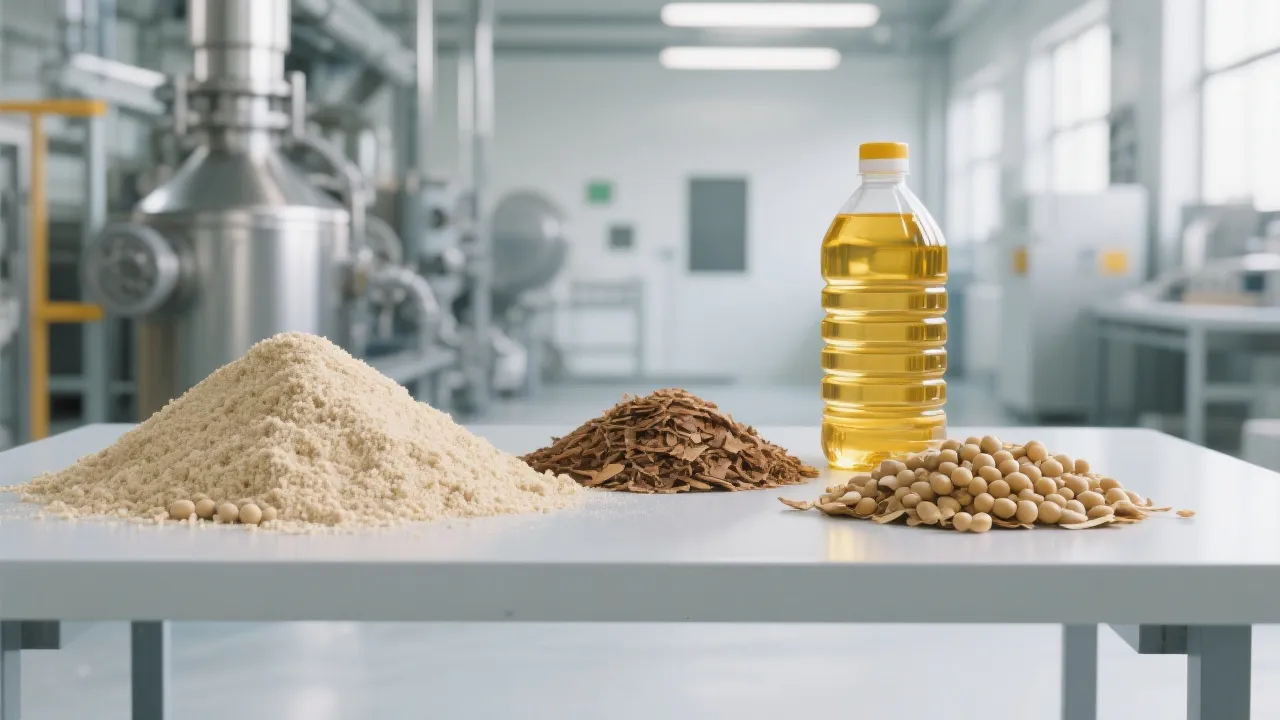

For manufacturers of edible oils and industrial fats, consistent quality after wax removal isn’t just a technical goal—it’s a competitive necessity. Inconsistent oil properties like high cloud point or poor flowability can lead to customer complaints, rejected batches, and lost contracts in global markets.
After de-waxing, the following five parameters must be monitored rigorously:
While lab testing remains essential, on-site tools such as handheld turbidity meters and infrared analyzers allow operators to detect deviations early—reducing waste by up to 18% (based on case studies from EU-based processors). For example, one Malaysian palm oil refiner reduced rework costs by 22% after implementing daily cloud point checks using portable devices calibrated against ASTM standards.
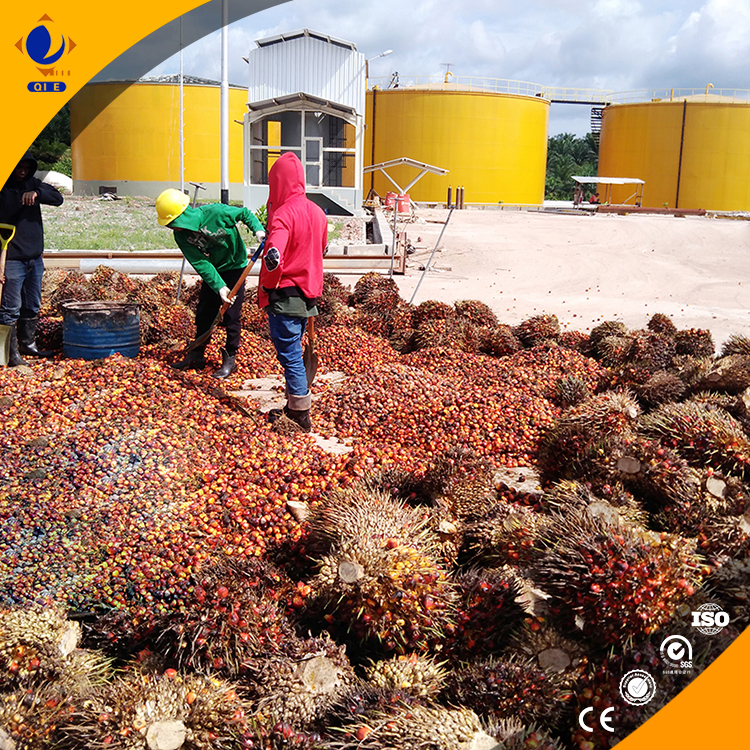
Temperature precision matters more than many realize. Studies show that each 2°C deviation in crystallization temperature can increase wax content by 0.1–0.3%. Similarly, filter mesh size plays a critical role—using 5μm instead of 10μm filters has been shown to improve clarity by 30% while reducing downstream contamination risks.
Common problems like inconsistent cloud points often stem from poor heat exchange uniformity—not just wrong settings. One Chinese soybean oil producer solved recurring batch failures by installing real-time thermal imaging cameras to monitor cooling curves across the crystallizer tank. The result? Zero non-conformance reports over six months.
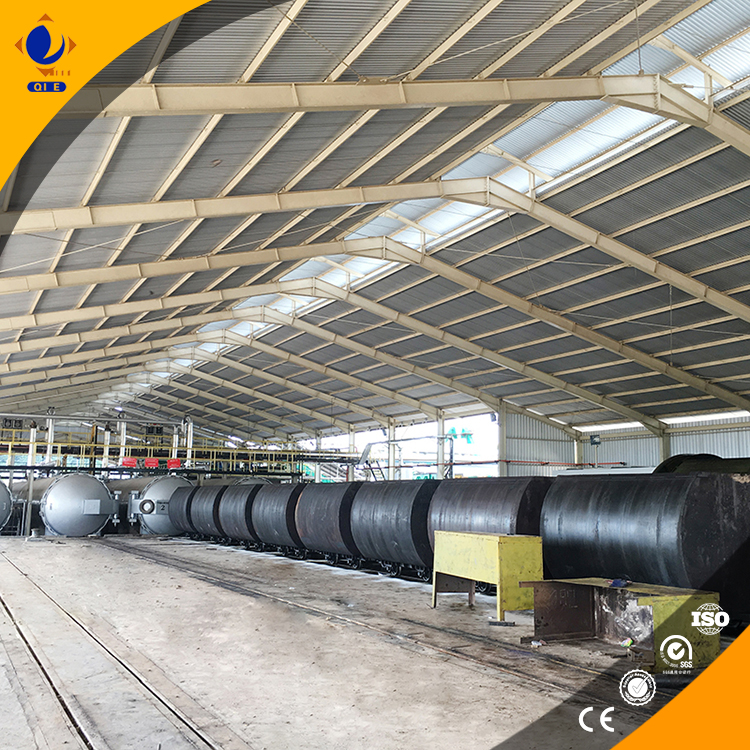
Ultimately, stable oil quality doesn’t happen by accident—it’s built through systematic monitoring, parameter tuning, and continuous improvement. Whether you're managing a small-scale plant or a large-scale operation, aligning your processes with international standards like ASTM ensures your product meets buyer expectations worldwide.
Get a free consultation tailored to your production line and receive actionable insights on how to reduce variability and boost compliance with global specs.
Optimize Your Wax Removal Quality Today



 <#else>