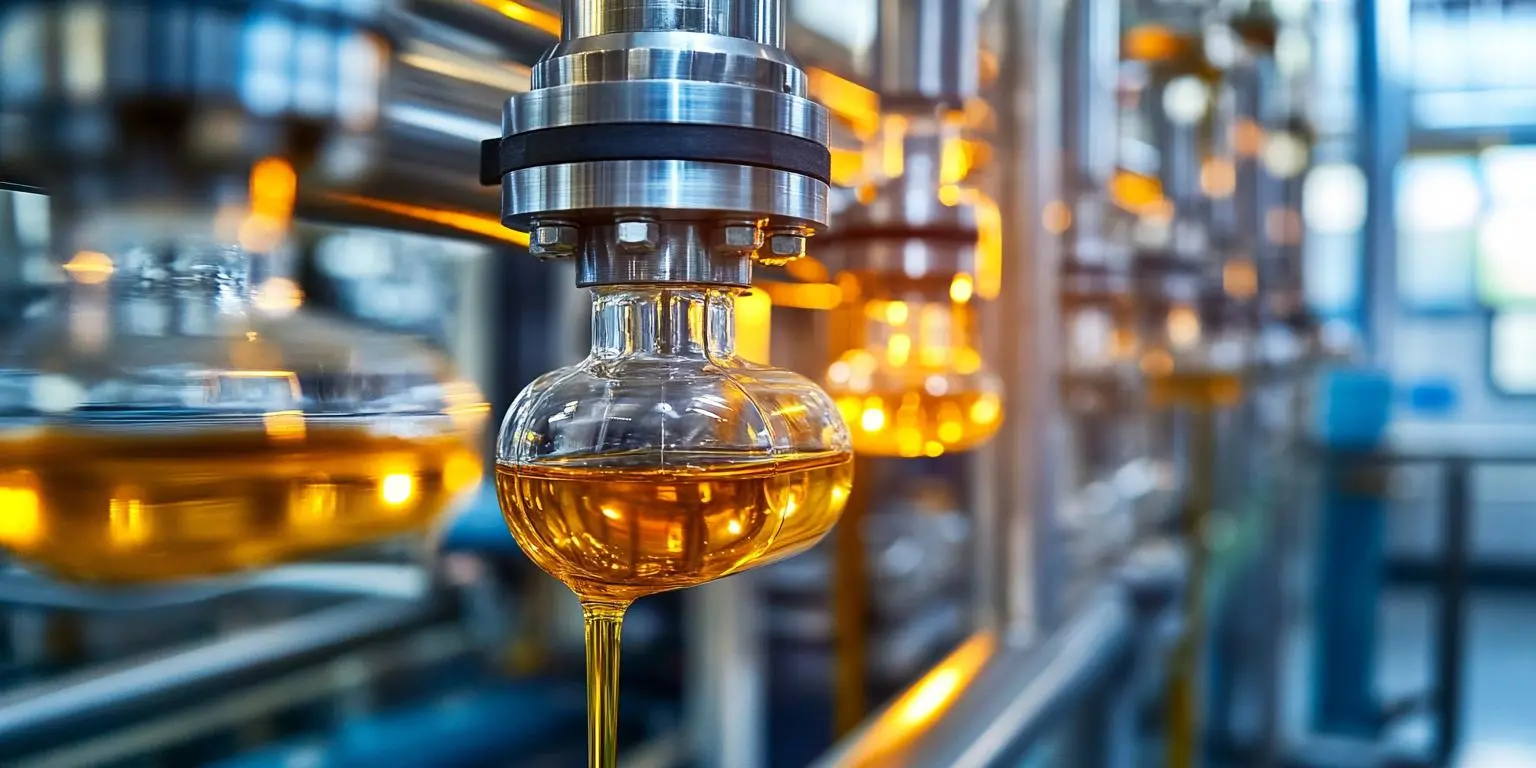
For food-grade oil producers, achieving consistent quality after wax removal is no longer just a technical challenge—it’s a competitive necessity. According to a 2023 report by the International Oleochemical Society, over 42% of non-compliant batches in global edible oil exports fail due to poor flowability at low temperatures—not because of raw material issues, but from suboptimal process control.
Post-de-waxing, five core indicators must be monitored rigorously:
Laboratory methods using ASTM standards are essential for precision—but field testing ensures real-time adjustments. For example, a pilot plant in Spain reduced rework by 30% simply by implementing a portable cloud point tester that allowed operators to adjust cooling rates dynamically based on daily batch variability.
Pro Tip: Use handheld spectrophotometers for rapid color checks and digital viscometers for flowability trends. These tools cut lab turnaround time from 48 hours to under 2 hours—a game-changer for continuous production lines.
Data from a Chinese vegetable oil refinery shows that even a 1–2°C deviation during the crystallization phase can increase wax content by up to 15%. Similarly, filtering at 5 µm instead of 10 µm improves flowability by an average of 22%, per internal R&D findings published in Food Chemistry.
These aren’t just numbers—they’re levers you can pull today. In one case study, adjusting filtration pressure from 3 bar to 4.5 bar improved final product clarity while reducing filter cake formation by 40%—leading to fewer downtime events and higher throughput.
| Issue | Root Cause | Action Plan |
|---|---|---|
| High Cloud Point | Inconsistent cooling rate | Implement PID-controlled chillers with automated logging |
| Low Flowability | Filter mesh too coarse | Switch to 5µm ceramic filters; validate with rheology tests |
The future of de-waxing lies in data-driven optimization. Companies integrating IoT-enabled sensors into their systems now see 25–35% faster root cause identification compared to manual logs alone. Expect more predictive algorithms that link historical batch data with real-time parameters—turning reactive fixes into proactive excellence.
Ready to elevate your de-waxing process? Get expert guidance tailored to your facility's unique needs.
Request Your Customized De-Waxing Quality Audit Today